
Best Beginner Track Cars for HPDE: Complete Guide to Starting Your Track Day Journey
By Hot Lap Rentals · 17 min read
Last updated: July 2025
Starting your track day journey with the right car can make the difference between falling in love with performance driving or becoming overwhelmed and discouraged. The best beginner track cars share common characteristics: predictable handling, forgiving nature when you make mistakes, reasonable running costs, and strong safety records. Whether you're considering purchasing your first track car or exploring rental options through platforms like Hot Lap Rentals, this guide will help you choose the perfect vehicle to begin your HPDE adventure.
What Makes a Great Beginner Track Car
Understanding the characteristics that make a car ideal for learning helps narrow the overwhelming number of choices available to new track day participants.
Predictable Handling The most important quality in a beginner track car is predictability. When you turn the wheel, press the brakes, or apply throttle, the car should respond in ways that make sense and feel natural. Predictable cars help you build confidence and learn proper techniques without fighting unpredictable behavior.
Forgiving When You Make Mistakes Every beginner makes mistakes - missed braking points, early or late apexes, abrupt throttle applications. The best beginner cars forgive these errors gracefully rather than punishing them with spins, sudden oversteer, or other dangerous behaviors. Progressive handling characteristics give you time to recognize and correct mistakes before they become serious problems.
Reasonable Power Levels While power can be exciting, too much power in the hands of a beginner creates more problems than it solves. Beginner-friendly cars typically have enough power to be engaging (150-250 horsepower) without being overwhelming. This allows you to focus on learning proper driving techniques rather than managing excessive power.
Excellent Brakes and Cooling Track days are hard on brakes and cooling systems. The best beginner cars either come with robust braking and cooling systems or are easily upgraded. This reliability lets you focus on driving rather than worrying about mechanical problems.
Strong Safety Records Track day safety depends partially on choosing cars with good inherent safety characteristics. The best beginner track cars have strong chassis, appropriate crash protection, and proven safety records in HPDE environments.
Affordable Operating Costs Learning to drive on track involves consumable costs - tires, brake pads, fluids, and occasional repairs. Beginner-friendly cars keep these costs reasonable, allowing you to participate in more events and accelerate your learning.
Top Beginner Track Cars by Category
The following cars represent the best options for new track day participants, each offering unique advantages while maintaining beginner-friendly characteristics.
The Ultimate Beginner: Mazda Miata (All Generations)
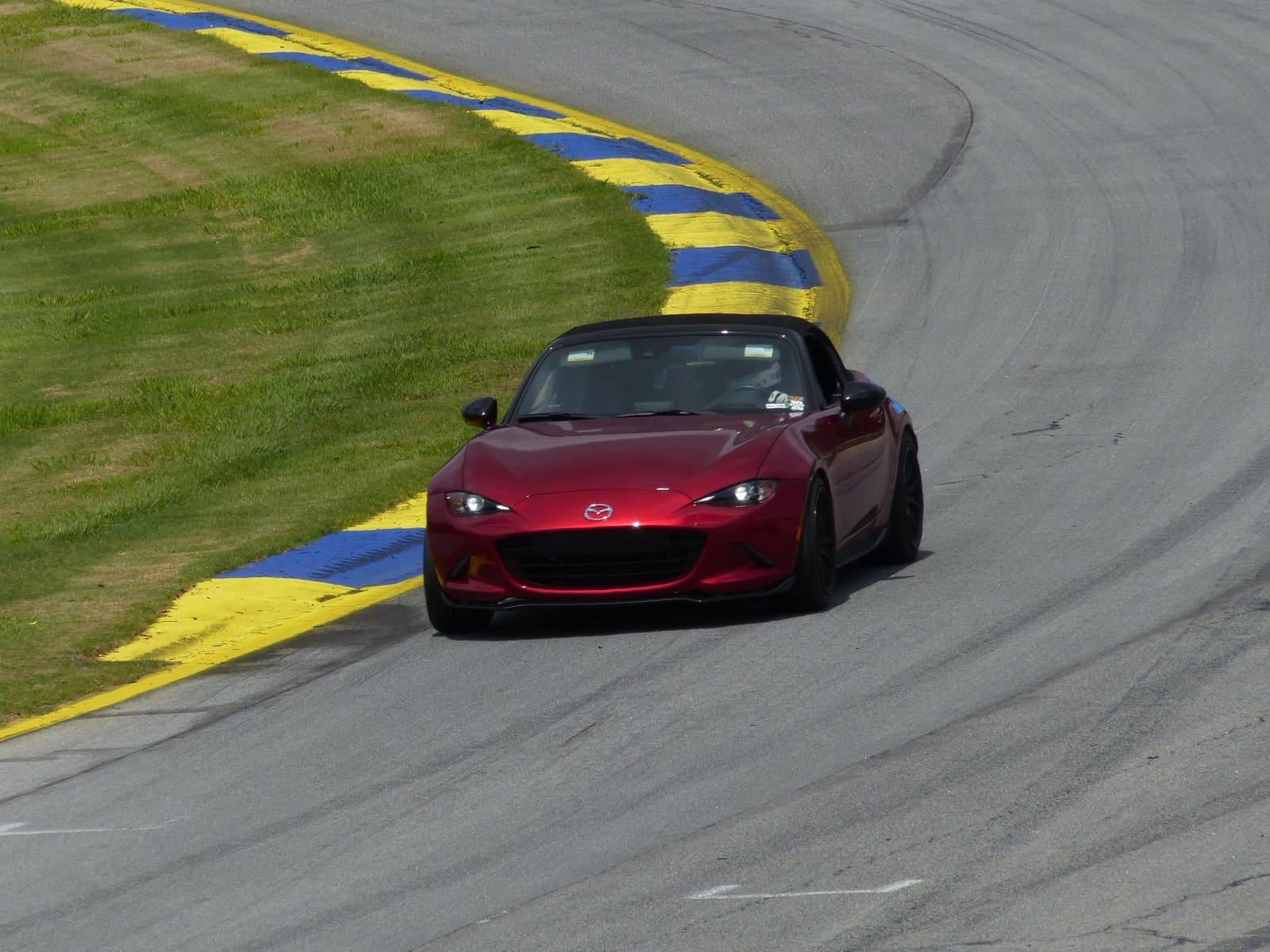
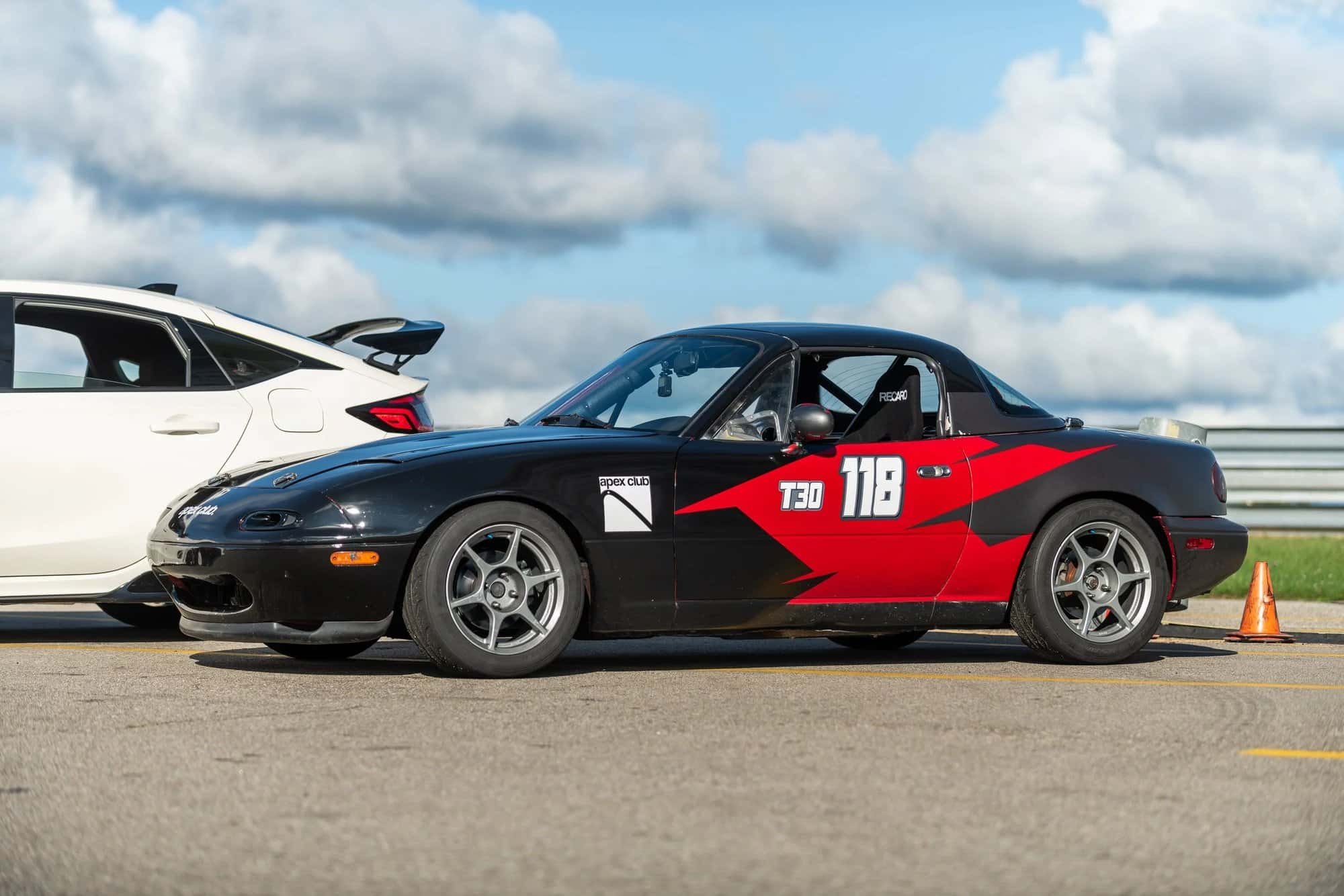
The Mazda Miata stands as the undisputed champion of beginner track cars, and for good reason. Four generations of Miatas (NA, NB, NC, ND) all offer excellent learning platforms with slightly different characteristics.
Why Miatas Excel for Beginners:
- Perfect 50/50 weight distribution creates predictable handling
- Low power levels (90-180 hp depending on generation) prevent power-induced mistakes
- Exceptional chassis balance makes proper driving techniques feel natural
- Huge aftermarket support for upgrades and maintenance
- Strong safety record in HPDE environments
- Affordable purchase prices and operating costs
- Active community willing to help newcomers
Generation-Specific Considerations:
NA Miata (1989-1997): The lightest and most pure driving experience. Drawbacks include less power, older safety standards, and potential reliability concerns with high-mileage examples.
NB Miata (1999-2005): Improved rigidity and slightly more power while maintaining the NA's character. The sweet spot for many track day participants.
NC Miata (2006-2015): More power and modern safety features with slightly less pure feel. Better for larger drivers and those wanting more comfort.
ND Miata (2016-present): The newest generation combines modern safety and reliability with classic Miata character. Higher purchase prices but excellent long-term choice.
Expected Costs:
- Purchase: $8,000-$35,000 depending on generation and condition
- Track day rental: $500-1000 per day
- Consumables: Low - tires and brakes are inexpensive
- Modifications: Extensive aftermarket keeps upgrade costs reasonable
The Modern Alternative: Toyota 86/Subaru BRZ (All Generations)
The 86/BRZ twins offer a modern interpretation of the classic sports car formula with contemporary safety and reliability.
Why 86/BRZ Works for Beginners:
- Low center of gravity creates exceptional stability
- Rear-wheel drive teaches proper RWD techniques
- Modern safety systems and crash protection
- Predictable handling with progressive breakaway characteristics
- Adequate power (200+ hp) without being overwhelming
- Excellent factory suspension and brake package
- Strong dealer network for service and parts
Generation Differences:
First Generation (2012-2020): Proven platform with known characteristics. Some examples suffer from minor reliability issues that have been addressed in later years.
Second Generation (2022-present): More power, improved handling, and refined character. Higher purchase prices but represents the current state of the art.
Expected Costs:
- Purchase: $15,000-$35,000 depending on generation and mileage
- Track day rental: $600-1100 per day
- Consumables: Moderate - performance tires and brake pads cost more than Miata parts
- Modifications: Good aftermarket support with reasonable prices
The BMW Learning Platform: E36 3-Series (1992-1999)
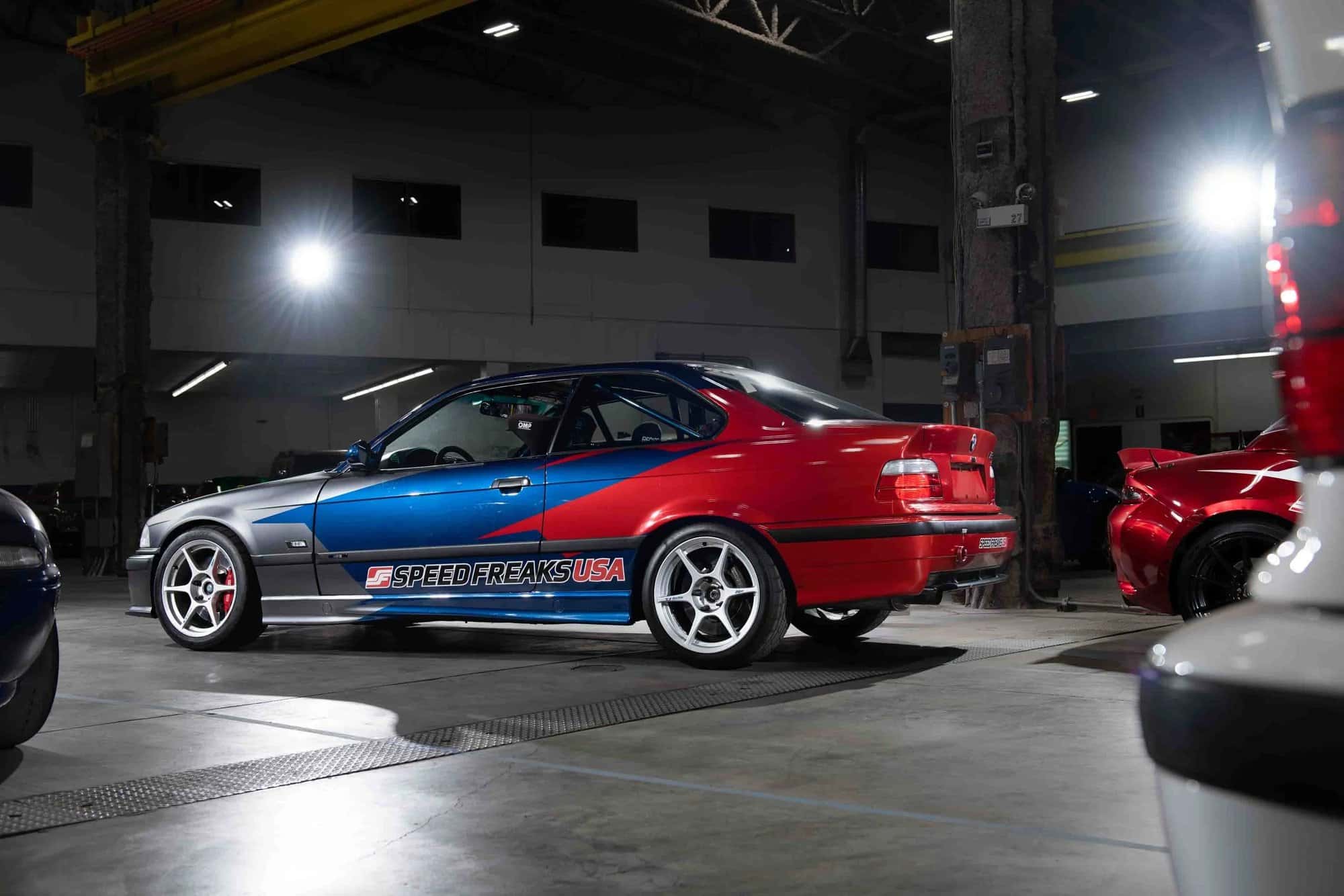
The BMW E36 generation 3-Series, particularly the 325i and 328i models, offers an excellent introduction to rear-wheel drive dynamics in a larger, more comfortable package.
Why E36 BMWs Excel for Learning:
- Excellent chassis balance and predictable rear-wheel drive behavior
- More interior space and comfort than smaller sports cars
- Strong, safe chassis with good crash protection
- Reasonable power levels (189-240 hp) appropriate for learning
- Huge enthusiast community and knowledge base
- Affordable purchase prices for clean examples
- Extensive aftermarket support for maintenance and upgrades
Model-Specific Considerations:
325i: The sweet spot for beginners with adequate power (189 hp) and excellent balance. Most affordable to purchase and operate.
328i: More power (240 hp) while maintaining excellent balance. Slightly higher operating costs but more engaging performance.
M3: Too much power and complexity for most beginners, though it represents the ultimate evolution of the E36 platform.
Expected Costs:
- Purchase: $8,000-$20,000 for clean, well-maintained examples
- Track day rental: $600-1,200 per day depending on preparation level
- Consumables: Moderate - BMW parts cost more than Japanese alternatives but are widely available
- Modifications: Extensive aftermarket with reasonable prices for performance upgrades
The Honda Precision: Civic Si (Various Generations) and S2000
Honda's performance cars offer exceptional build quality and reliability with different approaches to performance driving education.
Civic Si - Front-Wheel Drive Mastery: The Civic Si teaches front-wheel drive dynamics and precision driving techniques.
Why Civic Si Works for Beginners:
- Predictable front-wheel drive handling characteristics
- Excellent reliability and build quality
- High-revving engines that reward proper technique
- Affordable purchase and operating costs
- Strong safety record and crash protection
- Large community of track day participants
S2000 - Advanced Beginner Option: The S2000 offers more challenge but remains manageable for dedicated beginners.
Why S2000 Can Work for Serious Beginners:
- Exceptional chassis balance and build quality
- High-revving naturally aspirated engine rewards smooth technique
- Excellent brakes and cooling systems from factory
- Strong safety record and crash protection
- Holds value well and has strong enthusiast following
S2000 Cautions for Beginners:
- Snap oversteer characteristics can surprise inexperienced drivers
- High-revving engine requires different techniques than lower-revving alternatives
- Higher purchase and operating costs than other beginner options
Expected Costs:
- Civic Si: $12,000-$25,000 purchase, $500-700 daily rental
- S2000: $20,000-$40,000 purchase, $800-1,400 daily rental
Cars to Avoid as a Beginner
Understanding what to avoid is as important as knowing the best choices. These cars might seem appealing but present challenges that can hinder learning or create dangerous situations for beginners.
High-Power Sports Cars
Chevrolet Corvette (High-Performance Variants): While base Corvettes can work for experienced beginners, Z06 and ZR1 variants have too much power for most newcomers. The combination of high power and rear-wheel drive can create dangerous situations before beginners develop proper car control skills.
Ford Mustang GT (Current Generation): Modern Mustang GTs produce 400+ horsepower, which can overwhelm beginners. The combination of solid rear axle (in older generations) and high power creates unpredictable handling characteristics that can surprise inexperienced drivers.
Dodge Challenger/Charger Hellcat Variants: These cars prioritize straight-line performance over handling precision. Their weight, power, and chassis characteristics make them unsuitable for track day learning environments.
European Complexity
Porsche 911 (Most Variants): While 911s are excellent cars, their rear-engine layout creates unique handling characteristics that can surprise beginners. The combination of high performance, complex systems, and expensive operating costs makes them better choices after gaining experience in more conventional layouts.
BMW M3/M4 (Current Generation): Modern M cars have become extremely powerful and complex. Their advanced electronic systems can mask important feedback that beginners need to learn proper techniques. The combination of high power, complex systems, and expensive operating costs makes them better suited for intermediate drivers.
Cars with Problematic Characteristics
Lift-Off Oversteer Vehicles: Some cars, particularly certain MR2 generations and early Boxsters, can exhibit sudden oversteer when lifting off the throttle in corners. This characteristic can be managed by experienced drivers but creates dangerous situations for beginners who haven't developed proper throttle control.
Vehicles with Poor Cooling or Brake Systems: Some otherwise appealing cars suffer from inadequate cooling or braking systems that fail under track conditions. Research any potential track car thoroughly to understand its limitations and required modifications.
Rental vs. Ownership for Beginners
The decision between renting and buying your first track car depends on several factors specific to your situation and goals.
Advantages of Rental Cars for Beginners
Try Before You Buy: Renting allows you to experience different cars and find what suits your preferences before making a purchase commitment. This is particularly valuable for beginners who may not know their preferences yet.
No Maintenance Responsibilities: Track days are hard on cars. When you rent, maintenance, repairs, and consumable replacement become the owner's responsibility, allowing you to focus on learning rather than wrenching.
Professional Preparation: Experienced car owners often have their vehicles professionally prepared and maintained for track use. This means better reliability and safety than a beginner might achieve preparing their own car.
Expert Guidance: Many rental car owners are experienced track day participants who can provide valuable advice about driving techniques, track-specific setup, and safety considerations.
Financial Flexibility: Renting allows you to participate in track days without the large upfront investment of purchasing a track car. This lets you determine your level of interest before making major financial commitments.
Hot Lap Rentals Community Benefits
The Hot Lap Rentals platform offers unique advantages for beginners:
Direct Owner Connection: Connect directly with passionate car owners who want to share their love of track driving. These owners often provide personalized instruction and advice beyond what commercial rental companies offer.
Beginner-Friendly Options: Many Hot Lap Rentals car owners specifically welcome beginners and have cars prepared for learning rather than maximum performance.
Local Expertise: Hot Lap Rentals owners often have extensive experience at specific tracks and can provide invaluable local knowledge about track conditions, setup, and techniques.
Community Support: The peer-to-peer nature of Hot Lap Rentals creates a supportive community where beginners can find mentors and build relationships with experienced drivers.
No Corporate Markup: Working directly with car owners eliminates corporate overhead, providing better value and more personal service.
Advantages of Ownership for Beginners
Consistency and Familiarity: Owning your own car allows you to develop familiarity with its specific characteristics, controls, and behavior. This consistency accelerates learning and builds confidence.
Customization and Learning: Working on your own car teaches valuable mechanical skills and understanding of how modifications affect performance. This knowledge enhances your appreciation and understanding of performance driving.
Long-term Economics: For frequent track day participants, ownership becomes more economical than repeated rentals. The break-even point typically occurs around 8-12 track days per year.
Pride and Investment: There's satisfaction in driving your own car and making improvements over time. This emotional investment often increases motivation and participation.
Track Day Organizations for Beginners
Choosing the right organization for your first track days is as important as choosing the right car.
JZilla Track Days - The Beginner's Best Friend
JZilla Track Days has earned a reputation as the most welcoming organization for newcomers:
Beginner-Focused Approach:
- 2:1 student-to-instructor ratio ensures personalized attention
- Lead-follow instruction format reduces anxiety about passing and being passed
- Community atmosphere where everyone supports each other's learning
- Events feel more like car club gatherings than competitive environments
Safety and Learning Emphasis:
- Strong focus on building skills gradually rather than pushing limits
- Instructors selected for teaching ability and patience, not just speed
- Regular safety briefings and skill-building exercises
- Encouragement to progress at your own pace without pressure
Track Selection:
- Events at beginner-friendly tracks throughout the Southeast
- Careful selection of tracks with good safety records and facilities
- Multiple events at each track allow for progressive learning
Community Support:
- Many Hot Lap Rentals car owners participate in JZilla events
- Strong community of regular participants willing to help newcomers
- Social activities and group dinners build relationships beyond just driving
Other Beginner-Friendly Organizations
SCCA (Sports Car Club of America):
- Structured progression through different run groups
- Emphasis on proper instruction and safety
- Strong instructor training programs ensure quality teaching
- Multiple chapters throughout the Southeast provide numerous opportunities
PCA (Porsche Club of America):
- Open to all makes despite the name
- High instructor-to-student ratios
- Conservative approach emphasizes safety and gradual progression
- Strong focus on proper technique and car control
NASA (National Auto Sport Association):
- More relaxed atmosphere while maintaining safety standards
- Good progression from HPDE to time trials and racing for those interested
- Technical inspection focused on safety rather than performance regulations
Costs and Budgeting for Beginner Track Days
Understanding the real costs helps plan a sustainable approach to track day participation.
Rental Car Track Day Budget
Daily Costs for Beginner-Friendly Rentals:
- Car rental: $500-900 per day for Miata or similar
- Track day entry: $200-600 depending on organization and track
- Fuel: $50-100 for typical track day consumption
- Track day insurance: $150-300 depending on car value
- Food and drinks: $30-50 for track concessions or packed meals
Total per Event: $930-1,950
Additional Costs for First Events:
- Helmet (SA2020 recommended): $400-800 for quality options
- Proper clothing: $100-200 for cotton/Nomex clothing
- Track day insurance consultation: $0 (companies like Traction Insurance provide guidance)
Ownership Track Day Budget
Typical Per-Event Costs:
- Track day entry: $200-600
- Fuel: $50-100
- Tire wear: $50-150 per event (varies by driving style and tire choice)
- Brake pad wear: $25-75 per event
- Fluids and minor maintenance: $25-50 per event
- Track day insurance: $150-300
Total per Event: $500-1,275
Annual Ownership Costs (10 events):
- Major maintenance: $1,000-2,000
- Tire replacement: $800-1,500
- Brake component replacement: $300-800
- Insurance and registration: $1,200-2,000 (varies by state and car)
Insurance Considerations for Beginners
Proper insurance coverage protects your financial investment and provides peace of mind for learning.
Track Day Insurance Essentials
Why Track Day Insurance is Critical:
- Regular car insurance excludes track activities
- Track incidents can result in total loss of vehicle
- Liability coverage protects against damage to track property
- Medical coverage may be included in some policies
Insurance Partners for Track Day Coverage:
Hagerty Track Day Insurance:
- Comprehensive HPDE coverage with agreed value policies
- Coverage for both owned and rental vehicles
- Excellent reputation in the track day community
- Policies designed specifically for educational track events
Traction Insurance:
- Expert guidance on finding the right coverage for your situation
- Works with multiple underwriters to find best options
- Specializes in motorsports insurance needs
- No markup - same prices as going direct but with expert advocacy
Getting Coverage as a Beginner:
- Start the insurance process early - at least one week before your event
- Be honest about your experience level and the specific event
- Understand policy limits, deductibles, and exclusions
- Keep proof of coverage accessible during track events
Preparing for Your First Track Day
Proper preparation sets the foundation for a safe and enjoyable first track day experience.
Car Preparation Checklist
Safety Systems:
- Helmet meeting SA2015 or newer standards
- Fire extinguisher properly mounted and accessible
- All loose items removed from interior
- Proper towing points identified and accessible
- Emergency contact information in vehicle
Mechanical Preparation:
- Fresh brake fluid (high-temperature DOT 4 or equivalent)
- Brake pads with adequate thickness for track use
- Tires with adequate tread depth and proper pressures
- All fluids checked and topped off
- Battery securely mounted with accessible shut-off
Documentation:
- Driver's license and registration
- Track day insurance proof
- Emergency contact information
- Medical information and emergency medical contacts
Personal Preparation
Physical Readiness:
- Good night's sleep before the event
- Light, healthy meals to maintain energy
- Proper hydration starting 24 hours before
- Comfortable, cotton or fire-resistant clothing
- Closed-toe shoes appropriate for driving
Mental Preparation:
- Realistic goals focused on learning rather than speed
- Study track maps and watch onboard videos if available
- Understand that everyone makes mistakes while learning
- Positive attitude focused on improvement and enjoyment
Making the Most of Your Beginner Track Experience
Maximizing your learning and enjoyment ensures a positive introduction to track days.
Working with Instructors
Getting the Most from Instruction:
- Be honest about your experience level and comfort zones
- Ask questions about techniques and track-specific advice
- Accept feedback positively and work on suggested improvements
- Focus on consistency before worrying about speed
- Remember that instructors volunteer their time to help you learn
Communication During Sessions:
- Speak clearly and concisely if using radio communication
- Listen carefully to instructor guidance and feedback
- Don't hesitate to ask for clarification if something isn't clear
- Request breaks if you feel overwhelmed or fatigued
Building Community Connections
Networking in the Paddock:
- Introduce yourself to other participants and share experiences
- Ask questions about car setup, driving techniques, and track knowledge
- Offer help to others when appropriate
- Exchange contact information with people you meet
- Participate in social activities and group meals
Learning from Others:
- Watch experienced drivers during sessions and in the paddock
- Ask about car modifications and their effects on performance
- Learn about different track day organizations and events
- Get recommendations for future tracks and events to try
Advanced Beginner Considerations
Once you've completed several track days, certain considerations become more relevant.
Progression Planning
Skill Development Path:
- Master basic car control before adding speed
- Learn proper racing lines and braking techniques
- Develop smooth, consistent inputs
- Build physical fitness for longer, more demanding sessions
- Consider advanced driver education beyond basic HPDE
Equipment Upgrades:
- Better helmets with improved comfort and safety features
- Racing seats and harnesses for improved safety and car control
- Data logging systems to analyze and improve performance
- Communication systems for better instructor interaction
Car Modifications for Learning
Beginner-Appropriate Modifications:
- High-performance brake pads for better stopping power
- Improved brake fluid for consistent performance
- Performance tires for better grip and feedback
- Basic suspension upgrades for improved handling
- Strut tower braces for increased chassis rigidity
Modifications to Avoid as Beginner:
- Significant power increases before mastering car control
- Aggressive suspension setups that make the car difficult to drive
- Modifications that reduce safety margins
- Complex electronic systems that mask important feedback
Regional Opportunities in the Southeast
The Southeast offers excellent opportunities for beginner track day participants.
Premier Southeast Tracks for Beginners
Atlanta Motorsports Park (Georgia):
- Beginner-friendly layout with good safety margins
- Excellent facilities and professional management
- Regular JZilla Track Days events perfect for newcomers
- Good selection of rental cars available through Hot Lap Rentals
Virginia International Raceway South Course:
- Designed specifically for learning and skill development
- Excellent safety record and facilities
- Multiple run groups accommodate all skill levels
- Beautiful mountain setting enhances the experience
Carolina Motorsports Park (South Carolina):
- Conservative track design emphasizes safety
- Strong tradition of driver education and safety
- Good facilities and professional event management
- Active community of beginner-friendly participants
Building Your Southeast Track Day Network
Organizations to Connect With:
- JZilla Track Days for the most beginner-friendly atmosphere
- Local SCCA chapters for structured learning opportunities
- PCA and BMW CCA chapters for high-quality instruction
- Hot Lap Rentals community for car owners and fellow enthusiasts
Conclusion
Choosing the right beginner track car and approach sets the foundation for a lifetime of enjoyment in performance driving. Whether you select a classic Miata for its predictable handling, a modern 86/BRZ for contemporary safety features, or an E36 BMW for rear-wheel drive education, the key is matching the car to your learning goals and comfort level.
The decision between rental and ownership depends on your individual circumstances, but platforms like Hot Lap Rentals make trying different cars accessible and affordable. Combined with beginner-friendly organizations like JZilla Track Days and proper insurance coverage from providers like Hagerty or Traction Insurance, you have everything needed for a safe and enjoyable introduction to track driving.
Remember that the best track car for a beginner is one that allows you to focus on learning rather than fighting unpredictable behavior or worrying about mechanical problems. Start conservative, be patient with yourself, and prioritize safety and learning over speed. The performance and lap times will come naturally as your skills develop.
Most importantly, remember why you're doing this - for the joy of improving your driving skills, the satisfaction of mastering challenging tracks, and the community of passionate enthusiasts who share your love of performance driving. The Southeast's excellent tracks, welcoming organizations, and supportive community provide the perfect environment to begin your track day journey.
Ready to start your track day adventure? Explore beginner-friendly rental cars from experienced owners on Hot Lap Rentals, and connect with organizations like JZilla Track Days for the most welcoming introduction to performance driving education.
In the directory
1994 Mazda Miata Track Car NA
Quote only /day
1997 BMW M3 Track Car E36
Quote only /day
2001 Mazda Miata Track Car NB2
Quote only /day
2012 BMW 128i Track Car E82
Quote only /day
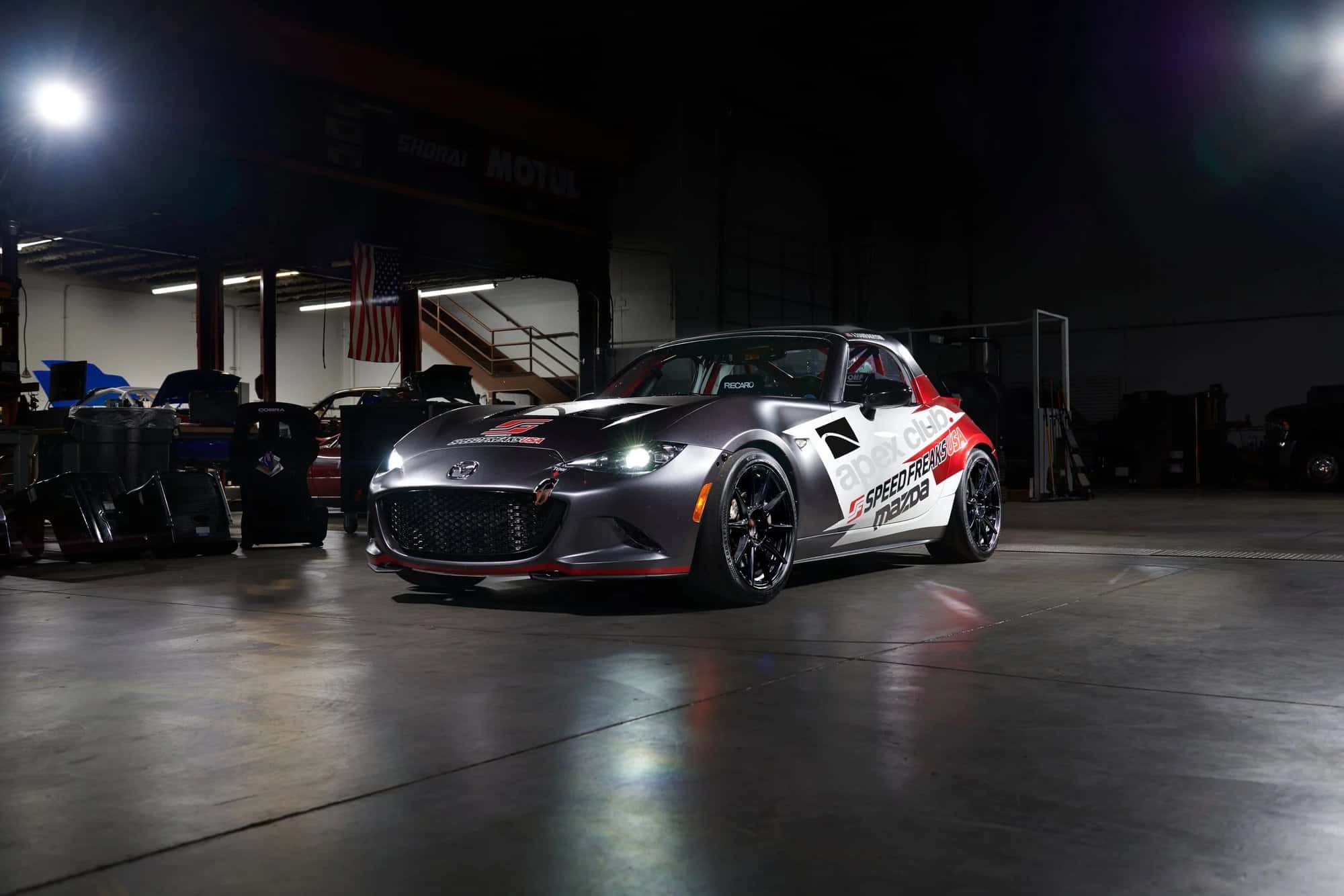
2016 Mazda MX-5 Miata Cup ND
Quote only /day
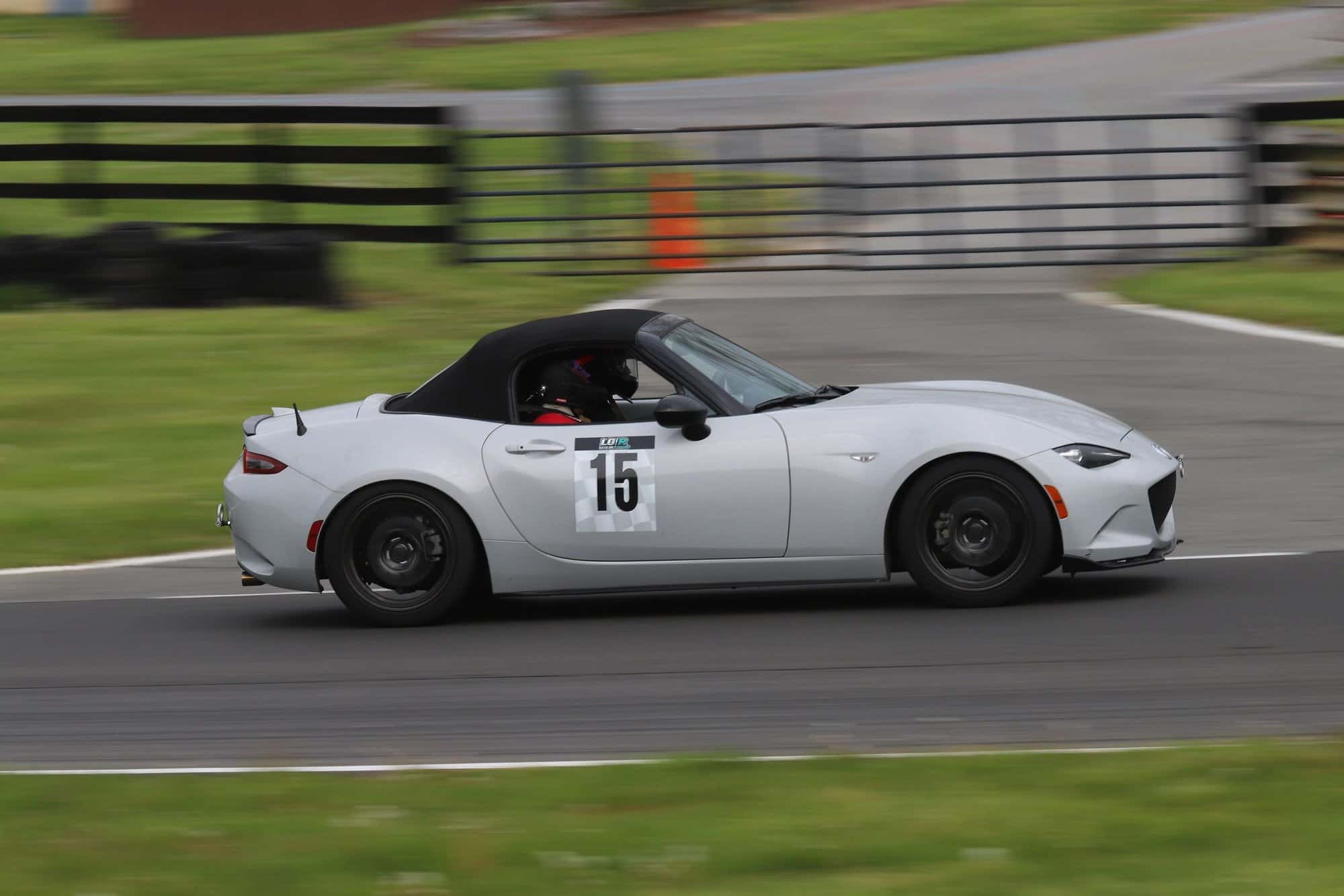
2019 Mazda MX-5 Miata Club
$750/day