
Best Intermediate Track Day Cars: Level Up Your Performance Driving Experience
By Hot Lap Rentals · 16 min read
Last updated: July 2025
After mastering the fundamentals in a beginner-friendly car like a Miata or BRZ, intermediate drivers are ready to explore more powerful and sophisticated track cars. This transition represents one of the most exciting phases of track day participation - you've developed basic car control skills and now seek vehicles that offer more performance, complexity, and teaching opportunities. The best intermediate track cars provide additional power and capability while maintaining the predictable, confidence-inspiring characteristics that helped you learn, just at a higher level.
Defining the Intermediate Driver
Understanding where you fit in the driver development spectrum helps choose the appropriate next step in your track day journey.
Skills and Experience Markers An intermediate driver typically has:
- 10-25 track days of experience across multiple tracks
- Comfortable with basic passing procedures and track etiquette
- Mastered fundamental techniques: proper braking, smooth inputs, basic racing lines
- Experience with different weather conditions and track surfaces
- Understanding of vehicle dynamics and how setup affects handling
- Confidence to drive at 7/10ths pace consistently
- Beginning to understand advanced concepts like trail braking and weight transfer
What Intermediate Drivers Seek At this stage, drivers typically want:
- More power to explore advanced techniques and longer straightaways
- More sophisticated chassis and suspension to teach advanced handling concepts
- Better braking systems to handle higher speeds and more aggressive driving
- Modern safety equipment and crash protection for higher-speed incidents
- Cars that reward precision and punish laziness to improve technique
- Platforms that offer modification potential for future development
Characteristics of Great Intermediate Track Cars
The transition from beginner to intermediate cars requires understanding what makes a vehicle suitable for more serious track day participation.
Increased Performance with Manageable Power Intermediate cars typically offer 250-400 horsepower, providing enough performance to be exciting without being overwhelming. This power range allows exploration of advanced techniques while maintaining safety margins for continued learning.
Sophisticated Chassis and Suspension Better suspension systems teach advanced concepts like weight transfer, suspension tuning, and setup optimization. Intermediate cars often feature more adjustable suspension components and better baseline setups than beginner vehicles.
Superior Braking Systems Higher speeds require better brakes. Intermediate track cars typically feature larger rotors, better calipers, and improved cooling compared to beginner vehicles. This allows for more aggressive braking and teaches advanced braking techniques.
Enhanced Safety Features As speeds increase, safety becomes even more critical. Intermediate cars often feature modern safety cages, better crash protection, and more sophisticated safety systems than entry-level track cars.
Modification Potential Intermediate drivers often want to modify their cars to improve performance and learn about vehicle dynamics. The best intermediate platforms offer extensive aftermarket support and modification potential.
Top Intermediate Track Cars by Category
The following vehicles represent excellent choices for intermediate drivers ready to step up from beginner platforms.
The Modern Classic: BMW E46 M3 (2001-2006)
The E46 M3 stands as one of the greatest intermediate track cars ever built, offering the perfect balance of performance, handling, and teachability.
Why the E46 M3 Excels for Intermediates:
- 333 horsepower naturally aspirated S54 engine provides serious performance without turbo complexity
- Near-perfect chassis balance with slight rear bias teaches advanced RWD techniques
- Excellent factory braking system handles track use with minimal modification
- Strong, safe chassis with good crash protection
- Huge enthusiast community and knowledge base
- Extensive aftermarket support for both maintenance and performance
- Teaches advanced concepts like differential behavior and suspension tuning
E46 M3 Advantages:
- Naturally aspirated engine provides linear power delivery perfect for learning
- Manual transmission teaches advanced shifting techniques
- Rear-wheel drive with controllable dynamics builds advanced car control skills
- Multiple seating configurations accommodate passengers or instructors
- Strong resale value protects investment
- Parts availability through BMW and aftermarket sources
Considerations:
- Higher maintenance costs than Japanese alternatives
- Some examples suffer from known issues (rod bearings, VANOS, etc.)
- Premium fuel requirements and higher operating costs
- Insurance costs higher than entry-level alternatives
Expected Costs:
- Purchase: $25,000-$45,000 for clean examples
- Track day rental: $1,200-$2,000 per day
- Operating costs: Higher than beginner cars but reasonable for performance level
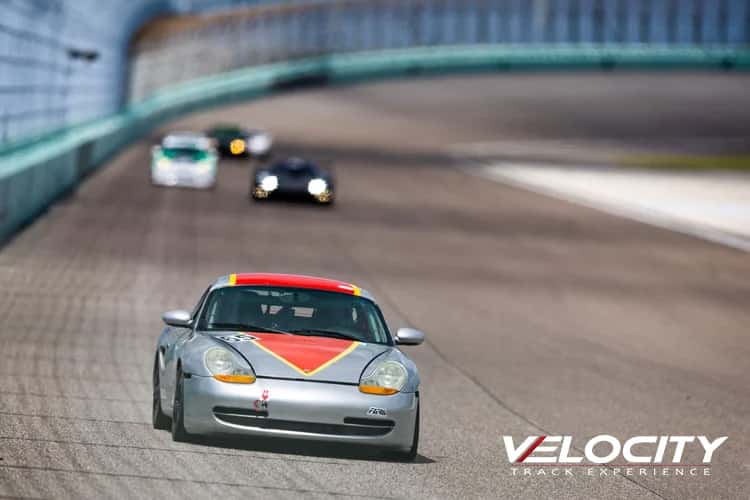
The Porsche Education: 986/987 Boxster and Cayman
Porsche's mid-engine sports cars offer unique handling characteristics and exceptional build quality for intermediate driver education.
Why Boxster/Cayman Work for Intermediates:
- Mid-engine layout teaches different weight distribution and handling characteristics
- Excellent chassis balance and predictable handling limits
- Superior build quality and reliability compared to many alternatives
- Progressive power delivery suitable for learning advanced techniques
- Exceptional braking systems from factory
- Strong safety record and crash protection
Model-Specific Considerations:
986 Boxster (1997-2004): Entry point into Porsche ownership with excellent handling but potential IMS bearing concerns in some years.
987 Boxster (2005-2012): Improved reliability and performance while maintaining excellent handling characteristics.
987 Cayman (2006-2012): Fixed roof provides additional rigidity and slightly different handling balance compared to Boxster.
Advantages:
- Mid-engine layout provides unique learning opportunities
- Exceptional build quality and attention to detail
- Progressive handling characteristics with high limits
- Strong community support and knowledge sharing
- Good resale value and parts availability
Considerations:
- Higher purchase and operating costs than alternatives
- Some model years have known mechanical issues requiring research
- Maintenance requires Porsche-knowledgeable technicians
- Performance modifications more expensive than domestic/Japanese alternatives
Expected Costs:
- Purchase: $20,000-$50,000 depending on model and year
- Track day rental: $1,000-$2,000 per day
- Operating costs: Higher than Japanese alternatives but reasonable for luxury performance
The Japanese Precision: Honda S2000 (2000-2009)
Honda's high-revving roadster offers exceptional precision and build quality with unique driving characteristics that teach advanced techniques.
Why S2000 Excels for Intermediate Development:
- High-revving naturally aspirated engine (9,000 RPM redline) teaches rev-matching and engine management
- Exceptional chassis rigidity and handling precision
- Near-perfect 50/50 weight distribution creates predictable dynamics
- Outstanding factory braking system handles track use well
- Bullet-proof reliability allows focus on driving rather than maintenance
- Strong enthusiast community with extensive knowledge sharing
S2000 Unique Characteristics:
- VTEC powerband teaches smooth throttle application and engine speed management
- Quick steering and responsive chassis reward precision
- Rear-wheel drive with progressive breakaway characteristics
- Convertible top (mostly) allows for enhanced communication with instructors
- Compact dimensions teach precise car placement
Advantages:
- Exceptional reliability and build quality
- High-revving engine provides unique driving experience
- Precise handling rewards smooth, accurate inputs
- Strong resale value and collector interest
- Lower maintenance costs than German alternatives
Considerations:
- Snap oversteer characteristics can surprise less experienced drivers
- High-revving engine requires different driving techniques
- Smaller interior may not accommodate larger drivers comfortably
- Higher purchase prices due to collector interest
Expected Costs:
- Purchase: $25,000-$45,000 for clean examples
- Track day rental: $1,000-$1,600 per day
- Operating costs: Moderate, with Honda reliability keeping costs reasonable
The American Muscle: Chevrolet Corvette C5/C6 (1997-2013)
American sports cars offer unique combination of power, handling, and value for intermediate drivers.
Why Corvettes Work for Intermediate Drivers:
- Significant power (350-400+ hp) teaches advanced throttle control and power management
- Sophisticated suspension systems (especially in Z06 variants) provide excellent handling
- Large displacement naturally aspirated engines provide linear power delivery
- Excellent factory braking systems handle track use well
- Strong aftermarket support for modifications and maintenance
- Relatively affordable performance per dollar
Generation-Specific Considerations:
C5 Corvette (1997-2004): Excellent value with strong performance. Base models provide good learning platform while Z06 offers more serious performance.
C6 Corvette (2005-2013): Improved refinement and performance over C5. Z06 and ZR1 variants offer extreme performance for experienced intermediates.
Advantages:
- Excellent performance-to-cost ratio
- Large aftermarket support and community
- Parts availability through GM and aftermarket
- Significant power teaches advanced throttle and traction management
- Modern safety features and crash protection
Considerations:
- Higher power levels require respect and advanced technique
- Larger, heavier cars require different techniques than smaller sports cars
- Fuel consumption higher than smaller alternatives
- Some examples have known issues requiring research
Expected Costs:
- Purchase: $20,000-$50,000 depending on generation and variant
- Track day rental: $1,200-$3,000 per day depending on specific model
- Operating costs: Moderate to high, with higher-performance variants costing more
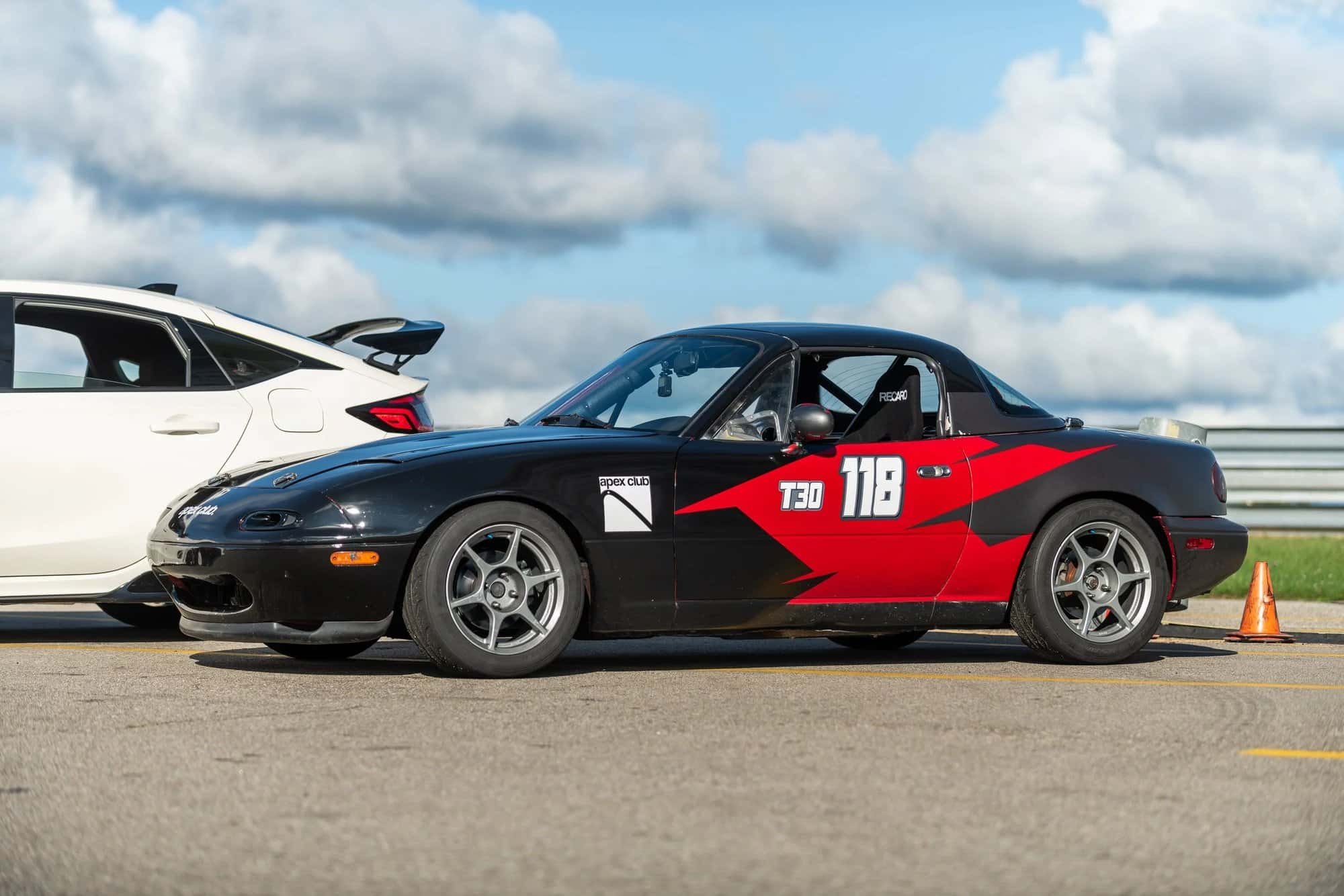
The Track-Focused Option: Mazda Miata (Heavily Modified/Turbo)
For drivers who mastered stock Miatas, heavily modified versions offer intermediate-level performance while maintaining familiar handling characteristics.
Why Modified Miatas Work for Intermediate Progression:
- Familiar chassis dynamics with increased performance capability
- Turbocharger installations teach boost management and advanced throttle techniques
- Lightweight platform maximizes performance gains from modifications
- Extensive aftermarket support allows custom performance builds
- Lower operating costs than higher-end alternatives
- Proven safety record in track environments
Popular Modification Approaches:
- Turbo conversions adding 100-150 horsepower to stock output
- Engine swaps (LSx V8, K-series Honda) for dramatic power increases
- Suspension and brake upgrades for improved capability
- Aerodynamic modifications for high-speed stability
- Roll cage installations for improved safety and rigidity
Advantages:
- Familiar handling characteristics with increased performance
- Modification flexibility allows customized performance builds
- Lower purchase prices allow more budget for modifications
- Proven track safety record across all modification levels
- Strong community support for modified builds
Considerations:
- Modification quality varies significantly between builders
- Reliability concerns with heavily modified examples
- Insurance complications with extensive modifications
- Resale value uncertainty with custom builds
Platform-Specific Considerations
Each intermediate platform offers unique learning opportunities and requires different approaches to maximize the educational experience.
Rear-Wheel Drive Dynamics (BMW E46 M3, Corvette, S2000) Rear-wheel drive intermediate cars teach advanced concepts like:
- Throttle steering and power oversteer management
- Differential behavior and limited-slip differential tuning
- Weight transfer management under acceleration and braking
- Trail braking techniques with rear-biased weight distribution
- Advanced car control skills for oversteer situations
Mid-Engine Characteristics (Boxster/Cayman) Mid-engine cars provide unique learning opportunities:
- Different weight distribution affects handling balance
- Unique braking characteristics due to weight distribution
- Different approach to corner entry and exit techniques
- Understanding how mid-engine layout affects vehicle dynamics
- Appreciation for different engineering approaches to handling
High-Revving Engine Management (S2000, Modified Miata) High-performance engines teach advanced techniques:
- Rev-matching and heel-toe downshifting
- VTEC engagement and powerband management
- Advanced throttle control for traction management
- Engine speed management for optimal performance
- Understanding relationship between engine characteristics and driving technique
Rental vs. Ownership for Intermediate Drivers
The decision between renting and owning becomes more complex as performance and costs increase.
Advantages of Renting Intermediate Cars
Experience Multiple Platforms: Intermediate drivers benefit from experiencing different approaches to performance - rear-engine Porsches, mid-engine Boxsters, high-revving Hondas, and powerful American V8s each teach different lessons.
Professional Preparation: Intermediate track cars require more sophisticated preparation and setup. Experienced owners often have years of development in their specific platforms, providing better preparation than most intermediate drivers could achieve initially.
Cost Management: Higher-performance cars have correspondingly higher operating costs. Renting allows you to experience these cars without the ongoing maintenance, insurance, and modification costs.
Expert Guidance: Hot Lap Rentals car owners often have extensive experience with their specific platforms and can provide valuable guidance on advanced techniques, setup options, and platform-specific characteristics.
Hot Lap Rentals Intermediate Car Advantages
The Hot Lap Rentals platform offers unique benefits for intermediate drivers:
Platform Diversity: Experience different philosophies - German precision, Japanese reliability, American power - to understand which approach suits your preferences and goals.
Owner Expertise: Connect with owners who have years of development and track time in their specific platforms. This expertise accelerates your learning curve significantly.
Setup Knowledge: Intermediate cars often benefit from setup modifications. Experienced owners understand suspension, differential, and aerodynamic tuning specific to their platforms and tracks.
Community Learning: The peer-to-peer nature creates learning opportunities beyond just driving - understanding maintenance, modification decisions, and long-term ownership considerations.
Cost-Effective Exploration: Try different platforms before committing to ownership, ensuring your eventual purchase decision is well-informed.
Advantages of Ownership for Intermediate Drivers
Consistent Development: Owning your own intermediate car allows for consistent development of both driving skills and vehicle setup. Understanding how modifications affect handling teaches valuable lessons about vehicle dynamics.
Modification Learning: Intermediate cars often benefit from modifications. Learning to evaluate, select, and install modifications teaches important skills and deepens understanding of vehicle dynamics.
Setup Optimization: Owning allows for suspension tuning, differential setup, and other adjustments that teach advanced concepts while improving performance.
Long-term Economics: For frequent participants, ownership becomes economical compared to repeated rentals, especially for cars with strong resale value.
Track Day Organizations for Intermediate Drivers
Different organizations offer varying approaches suitable for intermediate driver development.
JZilla Track Days - Growing with the Community
JZilla Track Days accommodates intermediate drivers while maintaining their supportive community approach:
Intermediate-Friendly Features:
- Multiple run groups allow progression from intermediate to advanced
- Instructors experienced with higher-performance cars
- Community atmosphere encourages sharing knowledge about different platforms
- Events at tracks that challenge intermediate skills appropriately
- Many intermediate car owners in the Hot Lap Rentals community participate
Advanced Learning Opportunities:
- More open passing rules in intermediate groups
- Focus on advanced techniques like data analysis and setup optimization
- Community knowledge sharing about different platforms and modifications
- Social activities allow networking with experienced drivers and car owners
SCCA - Structured Intermediate Development
SCCA programs offer structured advancement for intermediate drivers:
Intermediate Program Benefits:
- Clear progression through run groups based on skill development
- Advanced instructor training ensures quality guidance for higher-performance cars
- Time trial programs available for those interested in competitive aspects
- Technical inspection standards appropriate for modified cars
- Strong community of serious track day participants
NASA - Performance and Competition Focus
NASA programs often appeal to intermediate drivers seeking more performance focus:
NASA Intermediate Advantages:
- Time trial competitions provide goals beyond pure education
- Technical regulations allow for modified cars and performance development
- More performance-focused culture suits intermediate goals
- Advanced passing rules in higher groups
- Clear progression path toward wheel-to-wheel racing if desired
Insurance Considerations for Intermediate Cars
Higher-performance intermediate cars require more sophisticated insurance approaches.
Track Day Insurance for Higher Performance
Increased Coverage Needs:
- Higher vehicle values require increased coverage limits
- More powerful cars present increased risk profiles
- Modified cars may require specialized coverage considerations
- Higher speeds increase potential damage severity
Insurance Partners for Intermediate Cars:
Hagerty Track Day Insurance:
- Agreed value policies protect investment in higher-value cars
- Coverage designed for modified and performance vehicles
- Understanding of intermediate car values and risks
- Excellent reputation for fair claims handling
Traction Insurance:
- Expert guidance for complex intermediate car insurance needs
- Works with multiple carriers to find optimal coverage
- Understands modified car valuations and coverage requirements
- No markup pricing with expert advocacy
Coverage Considerations:
- Document modifications and upgrades for proper coverage
- Understand how modifications affect coverage and rates
- Consider higher coverage limits for increased vehicle values
- Verify coverage includes track-specific modifications and equipment
Costs and Budgeting for Intermediate Track Cars
Intermediate track cars involve higher costs across all categories compared to beginner vehicles.
Intermediate Car Track Day Budgets
Rental Costs:
- BMW E46 M3: $1,200-$2,000 per day
- Porsche Boxster/Cayman: $1,000-$2,000 per day
- Honda S2000: $1,000-$1,600 per day
- Chevrolet Corvette: $1,200-$3,000 per day
- Modified Miata: $800-$2,000 per day
Additional Per-Event Costs:
- Track day entry: $250-$800 (higher-level events can cost more)
- Fuel: $75-$150 (more powerful cars consume more fuel)
- Track day insurance: $200-$800 (higher vehicle values increase premiums)
- Tire wear: $100-$300 per event (performance tires cost more and wear faster)
Total Rental Event Cost: $1,625-$2,950
Ownership Costs:
- Higher maintenance costs due to increased complexity
- More expensive consumables (tires, brake pads, fluids)
- Modification costs for setup optimization
- Higher insurance premiums for performance vehicles
- Increased fuel costs due to higher consumption
Advanced Techniques for Intermediate Cars
Higher-performance cars enable learning advanced techniques not possible with beginner platforms.
Power Management and Traction Control
Throttle Control Techniques:
- Progressive throttle application to manage wheelspin
- Understanding how power delivery affects handling balance
- Learning to use throttle for steering (throttle steering)
- Managing power through different types of corners
- Understanding relationship between power, grip, and speed
Advanced Braking Techniques:
- Trail braking with increased speeds and braking forces
- Brake bias adjustment for different conditions
- Understanding how ABS affects braking technique
- Managing brake temperatures for consistent performance
- Learning advanced heel-toe downshifting techniques
Suspension and Setup Understanding
Learning Suspension Effects:
- Understanding how spring rates affect handling
- Learning about damping and its effects on car behavior
- Anti-roll bar adjustments and their handling impacts
- Ride height and its effect on aerodynamics and handling
- Understanding tire pressure effects on handling and wear
Data Analysis: Many intermediate cars include data logging capabilities:
- Learning to interpret speed, throttle, and brake traces
- Understanding lateral and longitudinal acceleration data
- Using data to identify areas for improvement
- Comparing data between different cars and setups
- Working with instructors to interpret and apply data insights
Regional Opportunities for Intermediate Drivers
The Southeast offers excellent opportunities for intermediate driver development.
Advanced Southeast Tracks
Road Atlanta (Full Course):
- Ultimate Southeast challenge requiring intermediate-plus skills
- High speeds and elevation changes test car and driver
- Many intermediate car owners available through Hot Lap Rentals
- JZilla Track Days and other organizations host intermediate-appropriate events
Virginia International Raceway (North/Full Course):
- Multiple configurations allow progression from intermediate to advanced
- Excellent facilities and safety standards
- Beautiful setting enhances the experience
- Active community of intermediate and advanced drivers
Charlotte Motor Speedway (Road Course):
- Unique combination of oval banking and infield sections
- Challenges intermediate drivers with variety of corner types
- Professional facilities and safety standards
- Growing community of intermediate participants
Building Your Intermediate Network
Community Connections:
- JZilla Track Days community includes many intermediate car owners
- Hot Lap Rentals platform connects you with experienced intermediate car owners
- SCCA and NASA events provide networking with serious intermediate drivers
- Car-specific communities (BMW, Porsche, etc.) offer platform-specific knowledge
Making the Transition to Advanced Driving
Intermediate cars and experience prepare drivers for eventual advanced participation.
Signs You're Ready for Advanced Groups
Skill Indicators:
- Consistent lap times within 2-3 seconds over multiple sessions
- Comfortable with open passing in intermediate groups
- Understanding of advanced concepts like data analysis and setup
- Ability to drive smoothly at 8/10ths pace consistently
- Good spatial awareness and ability to handle traffic safely
Advanced Preparation:
- Consider advanced driver coaching beyond basic HPDE instruction
- Develop physical fitness appropriate for advanced driving demands
- Learn advanced car control techniques like power sliding and advanced recovery
- Understand racing flags and procedures beyond basic HPDE requirements
Future Platform Considerations
Advanced Car Characteristics:
- Higher power levels (400+ hp) requiring advanced throttle management
- More sophisticated aerodynamics and their effects on handling
- Professional-grade safety equipment (cages, fire systems, etc.)
- Competition-focused modifications and setup
- Understanding of racing regulations and technical requirements
Conclusion
The transition to intermediate track cars represents one of the most rewarding phases of track day participation. These platforms offer the perfect combination of increased performance and continued learning opportunities, allowing you to explore advanced techniques while building toward eventual advanced-level participation.
Whether you choose the naturally aspirated precision of a BMW E46 M3, the mid-engine balance of a Porsche Boxster, the high-revving character of a Honda S2000, or the raw power of an American Corvette, each platform offers unique lessons and experiences that contribute to your development as a performance driver.
The decision between rental and ownership becomes more complex at the intermediate level, but platforms like Hot Lap Rentals make it easy to experience different approaches before committing to ownership. Combined with organizations like JZilla Track Days that accommodate intermediate development and proper insurance coverage from providers like Hagerty or Traction Insurance, you have everything needed for safe and productive intermediate-level track day participation.
Remember that the intermediate phase is about exploration and continued learning rather than ultimate performance. Use this opportunity to experience different platforms, learn advanced techniques, and build relationships within the track day community. The knowledge and experience gained with intermediate cars will serve you well whether you continue progressing toward advanced driving or simply enjoy intermediate-level participation for years to come.
Most importantly, maintain the safety-first attitude and community focus that makes track day participation enjoyable for everyone. The intermediate phase offers exciting new challenges and capabilities, but the fundamental principles of safety, respect, and continuous learning remain paramount.
Ready to explore intermediate track cars? Connect with experienced owners of BMW M3s, Porsche Boxsters, Honda S2000s, and other intermediate platforms through Hot Lap Rentals, and discover the next level of track day excitement with the support of the Southeast's most passionate driving community.
In the directory
1994 Mazda Miata Track Car NA
Quote only /day
1997 BMW M3 Track Car E36
Quote only /day
2000 Porsche Boxster
$3,350/day
2001 Mazda Miata Track Car NB2
Quote only /day
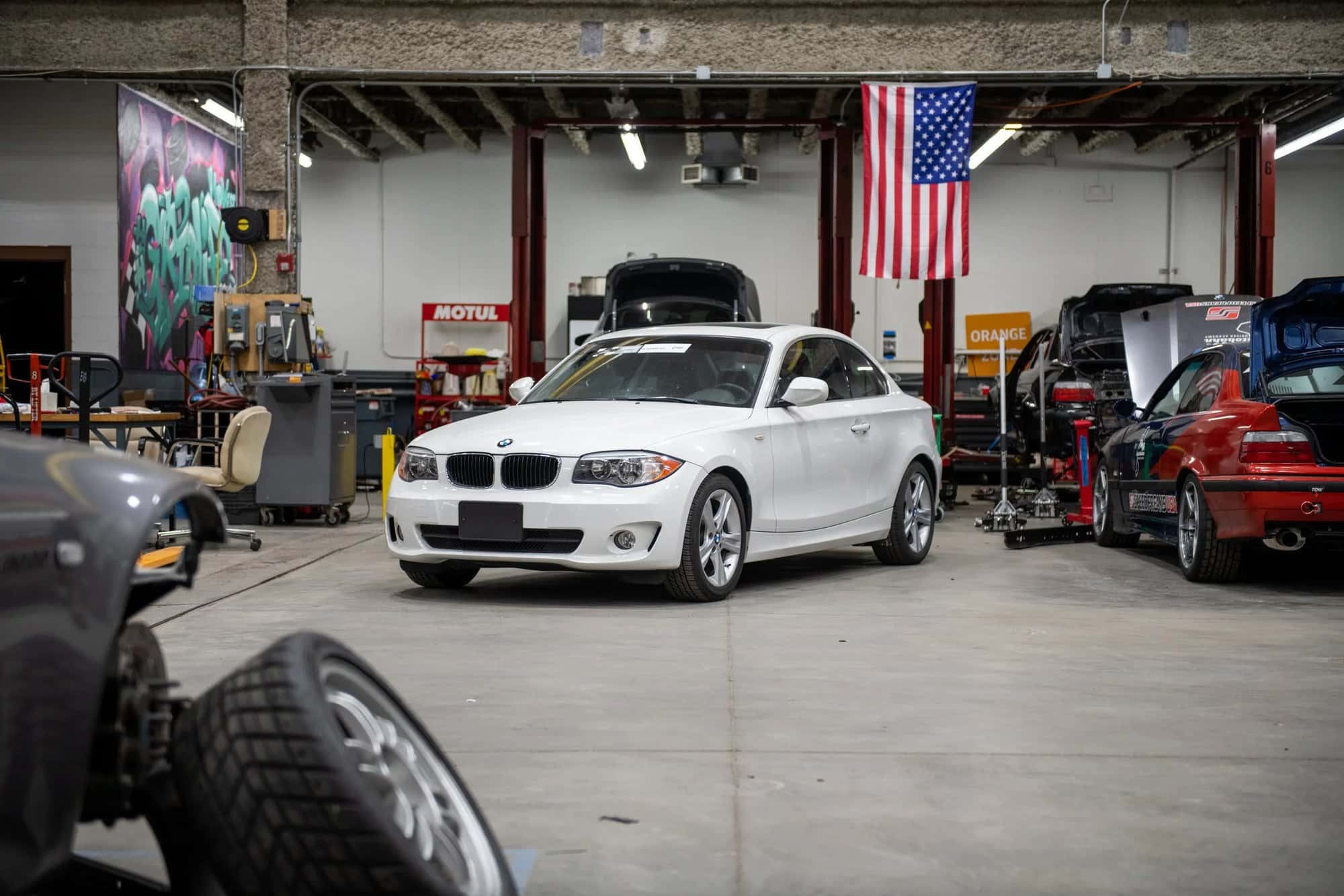
2012 BMW 128i Track Car E82
Quote only /day

2023 Chevrolet Corvette C8 Z51
$4,000/day