
Front-Wheel Drive Track Techniques: Mastering FWD Performance Driving
By Hot Lap Rentals · 16 min read

Last updated: July 2025
Front-wheel drive cars dominate the automotive landscape, yet many track day participants overlook their potential or dismiss them as inferior to rear-wheel drive alternatives. This perspective misses the unique challenges and rewards of FWD performance driving. When driven with proper technique, front-wheel drive cars can be incredibly quick, predictable, and educational. Understanding FWD dynamics and mastering specialized techniques opens up a world of affordable, reliable, and competitive track day options while teaching fundamental skills that transfer to any drivetrain.
Understanding Front-Wheel Drive Dynamics
Front-wheel drive systems create unique vehicle dynamics that require different techniques compared to rear-wheel drive cars. Understanding these characteristics is essential for extracting maximum performance and enjoyment from FWD track cars.
Weight Distribution and Balance Most FWD cars feature front-heavy weight distribution, typically 60-65% front, 35-40% rear. This distribution affects handling in several ways:
Understeer Tendency: The heavy front end naturally wants to push wide in corners, creating inherent understeer that must be managed rather than fought.
Braking Characteristics: More weight over the front wheels provides excellent braking traction but can lead to rear wheel lockup if brake balance isn't properly managed.
Acceleration Effects: Power application can reduce front-end grip by transferring weight rearward, affecting both steering feel and cornering ability.
Turn-in Behavior: The heavy front end can make initial turn-in feel sluggish compared to more balanced rear-wheel drive cars.
Tire Loading and Grip Management FWD cars ask their front tires to do triple duty: steering, braking, and acceleration. This creates unique grip management challenges:
Traction Circle Limitations: Front tires have limited total grip that must be shared between lateral (cornering), longitudinal (acceleration/braking), and steering forces.
Heat Generation: Front tires work harder and generate more heat, requiring careful thermal management for consistent performance.
Wear Patterns: Aggressive FWD driving creates specific tire wear patterns that must be managed through driving technique and setup.
Grip Recovery: Understanding how to manage front tire slip and recover grip is crucial for fast FWD driving.
Fundamental FWD Driving Techniques
Mastering front-wheel drive requires adapting traditional racing techniques to work with FWD characteristics rather than against them.
Corner Entry Techniques
Early Braking and Trail Braking: FWD cars benefit from earlier braking that extends deeper into the corner through trail braking. This technique serves multiple purposes:
- Uses the front-heavy weight distribution advantageously for braking
- Keeps weight on the front tires for better steering response during turn-in
- Allows for precise speed adjustment throughout the corner entry phase
- Helps rotate the car by reducing rear tire loading
Turn-in Timing and Technique: Proper turn-in timing is crucial for FWD success:
- Begin turn-in slightly earlier than in RWD cars to account for understeer tendency
- Use smooth, progressive steering inputs rather than sudden corrections
- Maintain slight trail braking through turn-in to keep weight forward
- Look for the apex early to anticipate steering requirements
Managing Initial Understeer: When understeer appears at corner entry:
- Resist the urge to add more steering lock (which increases understeer)
- Reduce speed slightly through gentle braking or throttle lift
- Use trail braking to transfer weight forward and increase front grip
- Be patient - allow the car to settle before attempting to add speed
Mid-Corner Techniques
Maintenance Throttle and Neutral Throttle: The middle phase of corners in FWD cars requires careful throttle management:
Neutral Throttle: Maintaining steady throttle (neither accelerating nor decelerating) keeps weight distribution stable and maximizes cornering grip.
Maintenance Throttle: Slight throttle application can help maintain speed without overwhelming front tire grip or causing excessive understeer.
Weight Management: Smooth throttle inputs prevent sudden weight transfers that upset the chassis balance.
Line Optimization: FWD cars often require slightly different lines than RWD cars:
- Later apexes can help with corner exit acceleration
- Wider entry lines may be necessary to manage understeer
- Focus on geometric efficiency rather than traditional racing lines
- Prioritize corner exit speed over entry speed when possible
Corner Exit Techniques
Throttle Application Timing: Power application in FWD cars requires patience and precision:
- Wait until past the apex before significant throttle application
- Apply power progressively to avoid overwhelming front tire grip
- Use gradual throttle increases rather than sudden applications
- Monitor front tire slip through steering wheel feedback
Managing Power-On Understeer: When power causes understeer on exit:
- Reduce throttle slightly rather than adding steering lock
- Focus on smooth, progressive power application
- Use weight transfer to help front tire grip
- Consider adjusting your line for better exit angles
Traction Management: FWD traction management differs significantly from RWD:
- Wheelspin typically manifests as understeer rather than oversteer
- Maintain steering precision during power application
- Use throttle modulation to control tire slip rather than steering corrections
- Learn to feel optimal slip levels through steering feedback
Advanced FWD Techniques
Once basic FWD techniques are mastered, advanced methods can significantly improve lap times and driving enjoyment.
Left-Foot Braking Left-foot braking offers significant advantages in FWD cars, though it requires practice to master safely.
Advantages of Left-Foot Braking:
- Faster transitions between throttle and brake
- Better weight management through simultaneous throttle/brake application
- Improved cornering balance through brake-induced weight transfer
- More precise speed control in technical sections
Learning Left-Foot Braking Safely:
- Start with gentle brake applications in straight-line situations
- Practice in parking lots before attempting on track
- Focus on smooth, progressive brake pressure
- Never use left-foot braking until comfortable with basic FWD techniques
Advanced Left-Foot Braking Applications:
- Trail braking while maintaining some throttle for balance
- Using brakes to adjust cornering attitude mid-corner
- Managing weight transfer through complex corner combinations
- Fine-tuning speed in high-speed corners
Throttle Steering and Weight Transfer
Using Throttle for Steering: Advanced FWD technique involves using throttle inputs to influence steering:
- Slight throttle reduction can increase front grip and reduce understeer
- Careful power application can help settle the car's attitude
- Throttle lifts can initiate controlled weight transfer forward
- Learn to coordinate throttle and steering inputs smoothly
Weight Transfer Management: Understanding and controlling weight transfer improves FWD performance:
- Use braking to transfer weight forward for better front grip
- Manage acceleration to prevent excessive rearward weight transfer
- Coordinate steering and throttle to optimize weight distribution
- Learn to feel weight transfer through seat-of-the-pants feedback
Scandinavian Flick and FWD Oversteer
Generating FWD Oversteer: While challenging, FWD cars can be made to oversteer through specific techniques:
- Scandinavian flick: Quick steering input followed by counter-steering
- Lift-off oversteer: Sudden throttle lift in mid-corner
- Brake-induced oversteer: Trail braking combined with steering input
- Weight transfer manipulation to reduce rear tire grip
Controlling FWD Oversteer: When oversteer occurs in FWD cars:
- Apply gentle throttle to transfer weight rearward
- Use smooth counter-steering to catch the slide
- Avoid sudden inputs that might cause snap-back oversteer
- Be patient - FWD oversteer typically resolves more gradually than RWD
Safety Considerations:
- Practice oversteer techniques only after mastering basic FWD skills
- Start with gentle applications in safe environments
- Never attempt aggressive oversteer techniques with passengers
- Understand that FWD oversteer can be more difficult to control than RWD
FWD-Specific Setup and Modifications
Proper setup significantly enhances FWD track performance and can compensate for some inherent limitations.
Suspension Modifications
Front Suspension Priorities:
- Stiffer front springs to reduce body roll and improve steering response
- Adjustable front dampers for fine-tuning weight transfer characteristics
- Front strut tower braces to improve chassis rigidity and steering precision
- Performance front sway bars to reduce understeer tendency
Rear Suspension Considerations:
- Softer rear springs to encourage rear grip and reduce understeer
- Rear sway bars to fine-tune balance (larger bars increase understeer)
- Rear shock tower braces for improved chassis rigidity
- Proper rear alignment to optimize tire contact patches
Suspension Balance Philosophy:
- FWD cars typically benefit from front-biased stiffness
- Focus on reducing understeer without creating instability
- Maintain enough compliance for tire contact and comfort
- Consider track-specific setup adjustments
Tire and Wheel Modifications
Front Tire Priorities:
- Maximum performance tires on front for steering and traction
- Consider wider front tires to increase grip capacity
- Proper tire pressures for heat management and wear
- Alignment settings optimized for front tire performance
Rear Tire Considerations:
- Rear tires can be less aggressive than fronts in pure track applications
- Proper rear tire pressures to maintain stability
- Consider tire rotation strategies for even wear
- Match tire compounds front and rear for predictable balance
Wheel Considerations:
- Lightweight wheels reduce unsprung weight and improve steering response
- Wider wheels accommodate wider tires for increased grip
- Consider brake cooling requirements when selecting wheel designs
- Proper offset to maintain suspension geometry
Brake System Modifications
Front Brake Priorities:
- Larger front rotors and calipers for increased stopping power
- High-performance brake pads designed for track use
- Brake cooling ducts to manage front brake temperatures
- Braided brake lines for improved pedal feel
Brake Balance Considerations:
- Adjustable brake proportioning for fine-tuning balance
- Rear brake upgrades to prevent rear wheel lockup
- Understanding how brake balance affects handling balance
- Brake fluid upgrades for consistent performance under heat
Popular FWD Track Cars
Several FWD platforms offer excellent track day experiences with proper setup and technique.
Honda Civic Si (Various Generations)
Why Civic Si Excel on Track:
- High-revving naturally aspirated engines reward smooth technique
- Excellent chassis balance and predictable handling
- Strong aftermarket support for modifications and maintenance
- Proven reliability allows focus on driving rather than maintenance
- Active community provides knowledge sharing and support
Generation-Specific Considerations:
- EP3 (2002-2005): Hatchback practicality with excellent handling balance
- FG/FA (2006-2011): Refined platforms with good modification potential
- FB6 (2012-2015): Larger platform with more interior space
- FC (2017-present): Turbocharged engines provide different power characteristics
Track Preparation Priorities:
- Suspension modifications to reduce understeer
- Brake upgrades for track day reliability
- Tire upgrades for maximum grip
- Weight reduction for improved performance
Volkswagen GTI (Various Generations)
GTI Track Advantages:
- Turbocharged engines provide flexible power delivery
- Sophisticated chassis with good basic balance
- High-quality interior and comfort for daily driving
- Strong enthusiast community and aftermarket support
Common GTI Track Modifications:
- Intake and exhaust modifications for improved power
- Suspension upgrades for reduced body roll
- Brake system improvements for track reliability
- Limited-slip differential upgrades for improved traction
Considerations:
- Higher maintenance costs than Japanese alternatives
- Turbocharged engines require different driving techniques
- Some model years have known reliability concerns
- Premium fuel requirements increase operating costs
Subaru WRX (FWD Mode Techniques)
While AWD, WRX can teach FWD techniques when driven in specific modes:
- Understand how AWD systems affect handling balance
- Learn to manage turbo lag and boost delivery
- Practice techniques that work with front-biased AWD systems
- Use WRX as stepping stone to understanding complex drivetrains
Ford Focus ST (2013-2018)
Focus ST Track Characteristics:
- Turbocharged engine with good power delivery
- Well-balanced chassis with sport suspension
- Electronic torque vectoring to reduce understeer
- Good balance of performance and daily usability
Track Preparation:
- Intercooler upgrades for consistent turbo performance
- Suspension modifications for improved body control
- Brake system upgrades for track day reliability
- Tire upgrades for maximum grip and heat resistance
Learning FWD Through Rentals
Renting FWD track cars provides excellent learning opportunities without the commitment of ownership.
Hot Lap Rentals FWD Options
The Hot Lap Rentals platform connects you with FWD car owners who understand proper setup and technique:
Benefits of FWD Rentals:
- Experience properly setup FWD cars without modification costs
- Learn from owners who have mastered FWD track techniques
- Try different FWD platforms to understand various approaches
- Access to track-prepared cars with appropriate safety equipment
Popular FWD Rental Categories:
- Honda Civic Si variants with track-focused modifications
- Volkswagen GTI with performance upgrades
- Modified Focus ST with turbo and suspension improvements
- Purpose-built FWD race cars for advanced technique development
Learning from FWD Car Owners:
- Understand setup philosophy specific to FWD performance
- Learn track-specific techniques from experienced FWD drivers
- Get guidance on driving techniques specific to each platform
- Access to data and feedback for rapid skill development
FWD Racing and Competition
Front-wheel drive cars have strong representation in various racing series, demonstrating their competitive potential.
Professional FWD Racing Series
Touring Car Racing:
- World Touring Car Championship (WTCR) features many FWD cars
- British Touring Car Championship includes competitive FWD entries
- Various national touring car series showcase FWD performance
Club Racing:
- SCCA classes for FWD cars in various configurations
- NASA racing classes accommodate FWD competition
- Endurance racing series often include FWD entries
Time Attack and Track Records:
- Many track records in FWD classes demonstrate competitive potential
- Time attack events showcase extreme FWD preparation and technique
- Hill climb and autocross events where FWD cars excel
Learning from Professional FWD Drivers
Study Professional Techniques:
- Watch onboard videos from professional FWD racing
- Analyze data traces from competitive FWD drivers
- Attend racing schools that include FWD instruction
- Learn from instructors with FWD racing experience
Apply Racing Techniques to Track Days:
- Adapt professional techniques for HPDE environments
- Understand how racing setup differs from street setup
- Learn racecraft specific to FWD characteristics
- Practice techniques safely in track day settings
Track Day Organizations and FWD Cars
Different organizations accommodate FWD cars with varying degrees of support and understanding.
JZilla Track Days and FWD Community
JZilla Track Days welcomes FWD participants and has built a supportive community:
FWD-Friendly Atmosphere:
- Instructors understand FWD-specific techniques
- Community includes experienced FWD track day participants
- Events accommodate various performance levels and drivetrains
- Focus on learning and improvement rather than absolute speed
FWD Learning Opportunities:
- Access to instructors familiar with FWD characteristics
- Community knowledge sharing about FWD setup and technique
- Group discussions about FWD-specific challenges and solutions
- Supportive environment for developing FWD skills
SCCA and NASA FWD Programs
SCCA HPDE Accommodation:
- Run groups organized by skill level rather than drivetrain
- Instructors trained to work with various drivetrains including FWD
- Technical inspection standards accommodate FWD modifications
- Progression paths toward FWD competition classes
NASA Programs:
- Time trial classes for FWD cars
- HPDE programs accommodate all drivetrains equally
- Technical regulations allow for FWD-specific modifications
- Community includes competitive FWD drivers
Common FWD Mistakes and How to Avoid Them
Understanding typical FWD driving errors helps accelerate learning and prevent bad habits.
Technique Mistakes
Fighting the Understeer:
- Mistake: Adding more steering lock when understeer occurs
- Solution: Reduce speed slightly and wait for front grip to recover
- Prevention: Learn to anticipate understeer and adjust speed proactively
Excessive Corner Entry Speed:
- Mistake: Carrying too much speed into corners, causing persistent understeer
- Solution: Brake earlier and use trail braking for better balance
- Prevention: Focus on corner exit speed rather than entry speed
Abrupt Throttle Inputs:
- Mistake: Sudden throttle applications that overwhelm front tire grip
- Solution: Practice progressive throttle application and feel for optimal slip
- Prevention: Focus on smooth inputs and learning grip limits gradually
Improper Line Selection:
- Mistake: Using RWD lines that don't work for FWD characteristics
- Solution: Experiment with later apexes and wider entry lines
- Prevention: Study FWD-specific racing lines and techniques
Setup Mistakes
Incorrect Tire Pressure:
- Mistake: Using pressures designed for RWD cars or street driving
- Solution: Adjust pressures for FWD heat generation and contact patch
- Prevention: Monitor tire temperatures and wear patterns carefully
Improper Brake Balance:
- Mistake: Brake setups that cause rear lockup or inadequate front stopping power
- Solution: Adjust brake balance for FWD weight distribution
- Prevention: Test brake balance carefully and adjust gradually
Suspension Setup Errors:
- Mistake: Using RWD suspension principles for FWD cars
- Solution: Understand FWD-specific suspension requirements
- Prevention: Research FWD setup principles and consult experienced sources
Physical and Mental Aspects of FWD Driving
FWD driving techniques require specific physical and mental approaches.
Physical Technique Adaptations
Steering Technique:
- Develop sensitivity to front tire loading through steering feedback
- Practice smooth, progressive steering inputs
- Learn to feel optimal slip angles through steering wheel
- Develop strength and endurance for more active steering
Pedal Technique:
- Master left-foot braking for advanced techniques
- Develop sensitivity for progressive throttle application
- Practice heel-toe downshifting adapted for FWD characteristics
- Learn to coordinate steering and pedal inputs smoothly
Mental Approach Differences
Patience Development:
- Accept that FWD cars require different techniques than RWD
- Develop patience for progressive throttle application
- Learn to work with understeer rather than fighting it
- Focus on smooth, efficient technique over aggressive inputs
Feedback Interpretation:
- Learn to interpret FWD-specific feedback through steering and seat
- Understand how tire slip manifests differently in FWD cars
- Develop sensitivity to weight transfer effects
- Practice recognizing optimal performance windows
Data Analysis for FWD Cars
Modern data logging can significantly accelerate FWD driving development.
FWD-Specific Data Points
Throttle Position Analysis:
- Study throttle traces for smooth, progressive application
- Identify areas where abrupt throttle changes hurt performance
- Compare throttle timing between fast and slow laps
- Learn optimal throttle application points for each corner
Speed and Acceleration Data:
- Analyze corner exit speeds to optimize FWD strengths
- Study acceleration traces to identify traction-limited areas
- Compare minimum corner speeds to understand entry technique
- Identify areas where patient throttle application pays dividends
Steering Input Analysis:
- Study steering smoothness and input timing
- Identify areas where excessive steering lock hurts performance
- Analyze correlation between steering input and lap time
- Learn to minimize steering corrections and inputs
Using Data for FWD Improvement
Comparing to Reference Laps:
- Study data from experienced FWD drivers
- Understand different technique approaches and their data signatures
- Learn to identify FWD-specific optimization opportunities
- Practice adapting techniques based on data analysis
The Future of FWD Track Driving
Front-wheel drive technology continues evolving, offering new opportunities for track day participants.
Technology Improvements
Electronic Aids:
- Torque vectoring differentials reduce understeer
- Advanced traction control systems optimize grip
- Electronic stability systems allow safer exploration of limits
- Data logging systems provide better feedback for learning
Engine Technology:
- Turbocharging provides flexible power delivery
- Direct injection improves efficiency and power
- Variable valve timing optimizes powerband characteristics
- Hybrid systems offer additional power and complexity
Chassis Development:
- Improved suspension designs reduce FWD limitations
- Better weight distribution in newer platforms
- Structural improvements increase rigidity and reduce weight
- Aerodynamic developments improve high-speed stability
Growing FWD Community
Increased Recognition:
- Growing appreciation for FWD performance potential
- More instructors learning FWD-specific techniques
- Increased aftermarket support for FWD track cars
- Professional racing success highlighting FWD capabilities
Conclusion
Front-wheel drive cars offer unique and rewarding track day experiences when approached with proper technique and understanding. Rather than viewing FWD as a limitation, smart drivers recognize the opportunities for learning, competition, and enjoyment that these platforms provide.
The key to FWD success lies in working with the drivetrain's characteristics rather than against them. Proper technique development, appropriate setup modifications, and patience in learning FWD-specific skills unlock performance and enjoyment that rival any drivetrain configuration.
Organizations like JZilla Track Days provide supportive environments for developing FWD skills, while platforms like Hot Lap Rentals offer access to properly prepared FWD track cars and the expertise of their owners. Combined with appropriate insurance coverage from providers like Hagerty or Traction Insurance, FWD track day participation becomes accessible and rewarding.
Whether you're starting with an affordable Civic Si, exploring the sophistication of a modern GTI, or pushing the limits in a purpose-built FWD race car, the techniques and principles outlined in this guide will help you extract maximum performance and enjoyment from front-wheel drive track driving.
Remember that mastering FWD techniques makes you a more complete driver overall. The skills learned in managing understeer, optimizing front tire grip, and working with weight transfer benefit driving in any platform. FWD cars teach patience, precision, and technique that serve you well regardless of what you drive next.
Ready to explore FWD track driving? Connect with experienced FWD car owners through Hot Lap Rentals and discover the unique rewards of front-wheel drive performance driving with support from the Southeast's most knowledgeable driving community.
In the directory
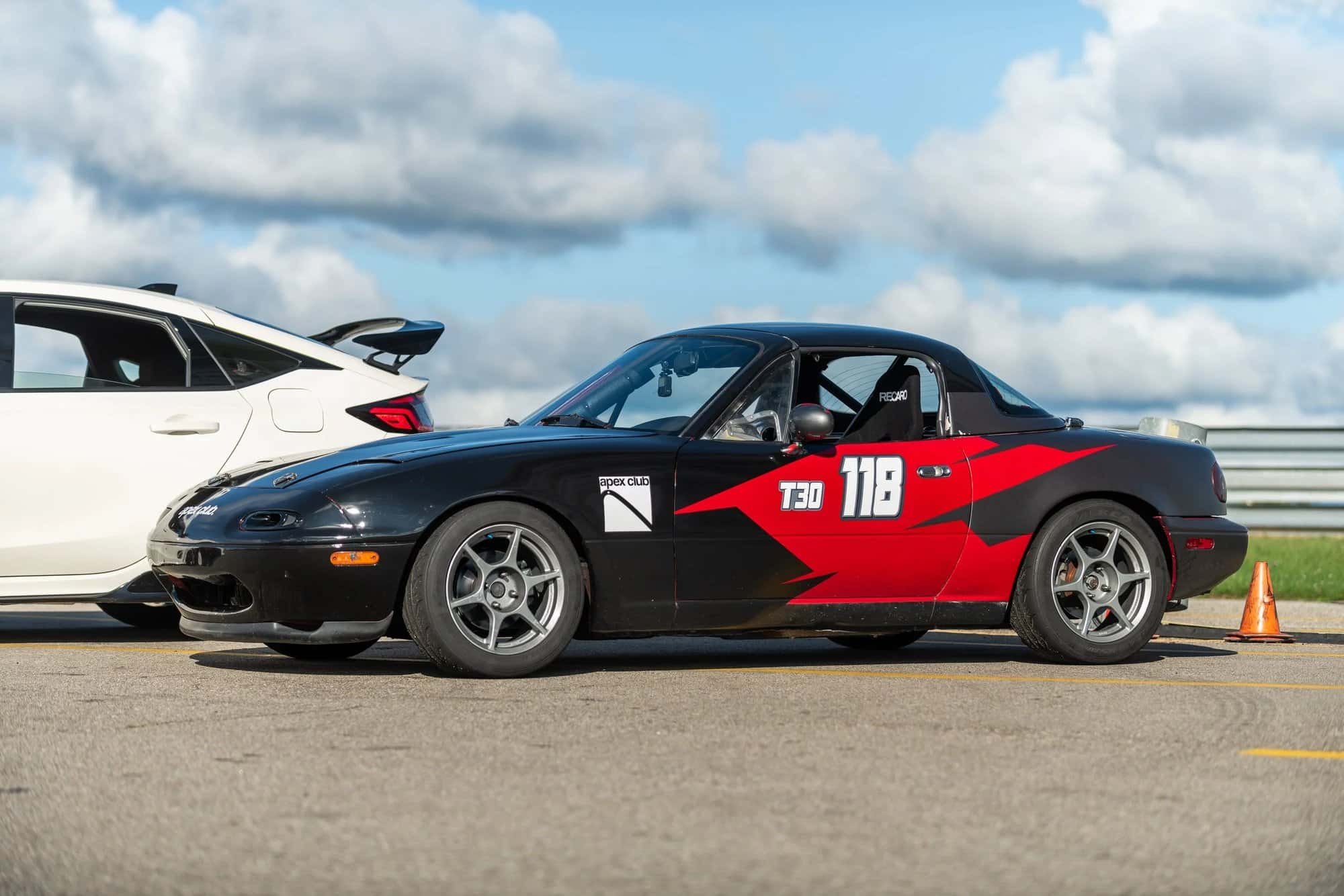
1994 Mazda Miata Track Car NA
Quote only /day
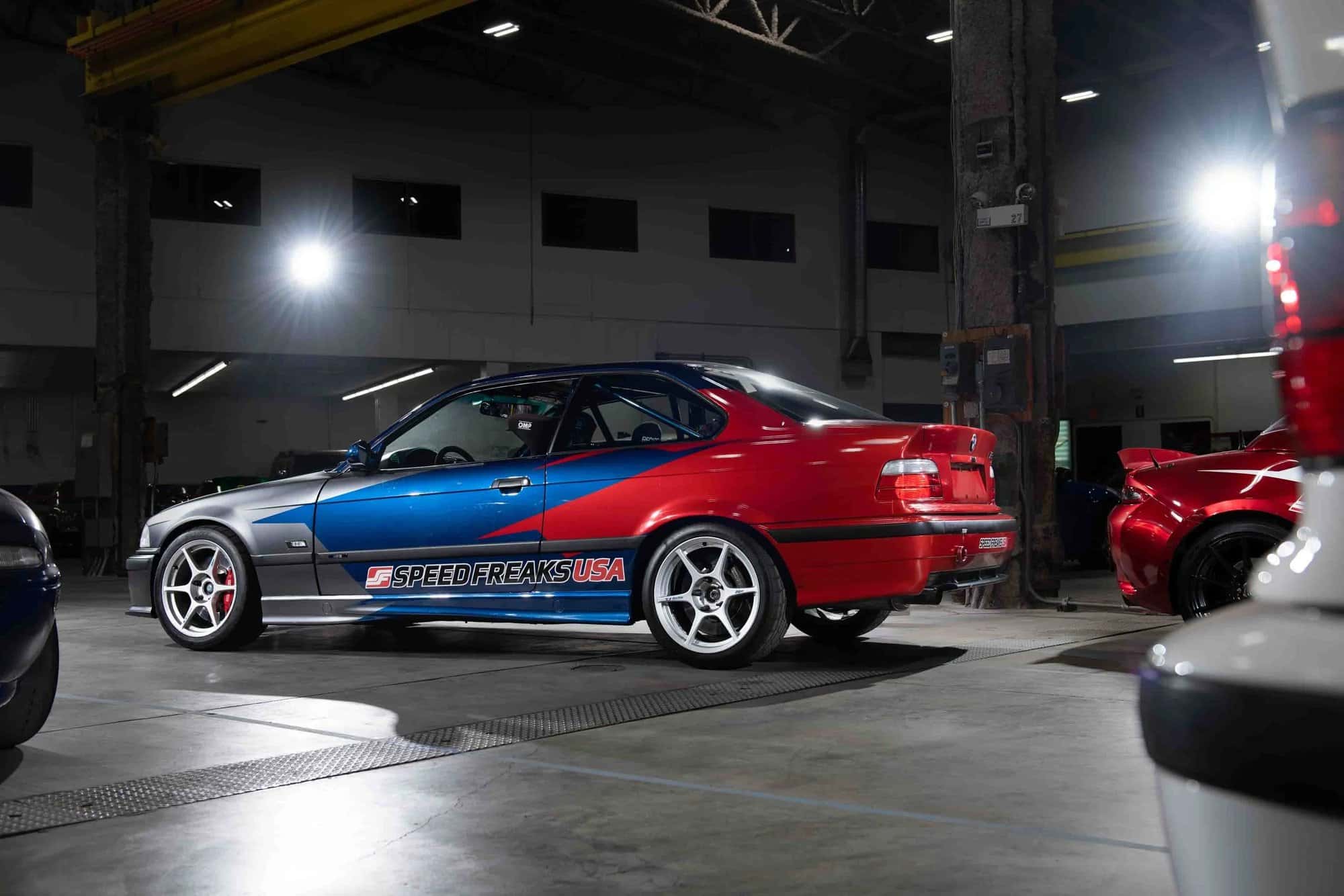
1997 BMW M3 Track Car E36
Quote only /day
2001 Mazda Miata Track Car NB2
Quote only /day
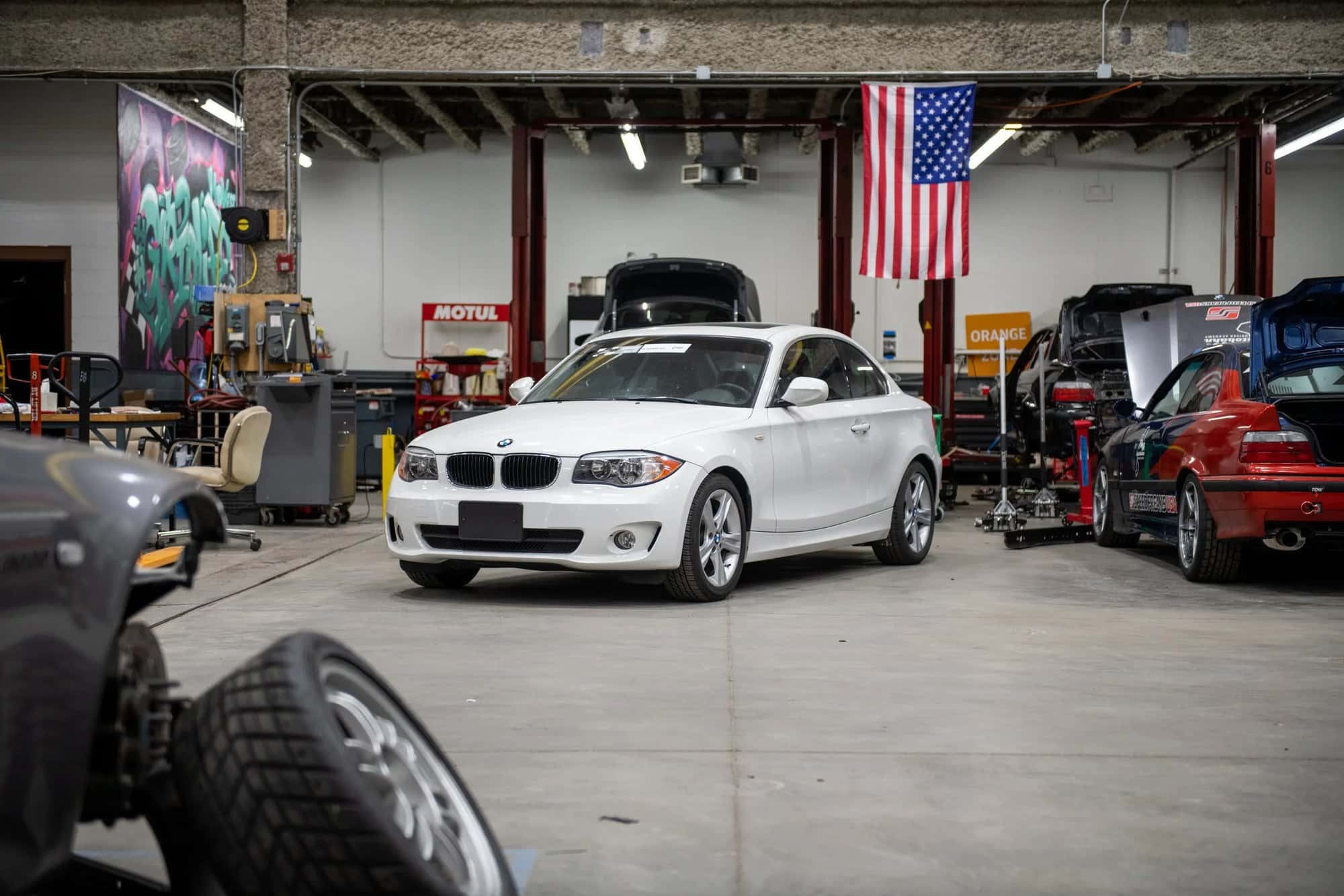
2012 BMW 128i Track Car E82
Quote only /day