
How to Price Your Track Car Rental: A Guide for Owners and Renters
By Hot Lap Rentals · 3 min read

Whether you're a car owner looking to monetize your track machine or a renter trying to understand fair market rates, setting the right price is crucial for a successful peer-to-peer track car rental experience. Here's your comprehensive guide to pricing track car rentals competitively and fairly. Understanding the Three-Tier Market Track car rentals fall into three distinct categories, each with its own pricing structure and target audience: Tier 1: Street-Based Track Cars ($800-1,500/day) These are modified street cars that have been prepared for HPDE (High Performance Driving Events) use. Think of cars like a track-prepped Miata, modified Subaru WRX, or BMW 3-series with performance upgrades. What defines this tier:
Retains street registration and basic comfort features Safety modifications: roll bar, racing seats, harnesses Performance upgrades: brake pads, fluid, suspension Suitable for beginners to intermediate drivers
Pricing sweet spot: $1,000-1,200/day Tier 2: Purpose-Built Track Cars ($2,000-4,000/day) These are dedicated track vehicles that may have started as street cars but have been extensively modified or purpose-built for track use only. What defines this tier:
Full roll cage and professional safety equipment Significant weight reduction and aerodynamic modifications Racing-spec suspension, brakes, and drivetrain Often classified for specific racing series (Spec Miata, Spec E46, etc.)
Pricing sweet spot: $2,500-3,500/day Tier 3: Professional Race Cars ($4,000-8,000+/day) These are high-end race cars designed for serious competition, often professionally maintained and capable of winning races. What defines this tier:
Professional racing pedigree or equivalent build quality Exotic materials (carbon fiber body panels, advanced aerodynamics) High-performance engines (500+ HP) Professional data acquisition and telemetry systems Requires significant track experience to drive safely
Pricing sweet spot: $5,000-7,000/day Factors That Affect Your Pricing For Car Owners: Pricing Your Vehicle Start with your base tier, then adjust for these factors: Increase pricing for:
Recent major maintenance or rebuilds Professional setup/alignment Included coaching or instruction Trackside support and mechanical assistance Premium safety equipment (HANS devices, fire systems) Data acquisition systems included Transportation to/from track Fuel included in rental
Decrease pricing for:
Higher mileage on engine/transmission Older safety equipment Limited spare parts availability Renter provides their own support crew Off-peak demand periods
Additional Considerations Insurance and Deposits: Set a security deposit of 10-20% of your car's replacement value. Most owners require proof of track insurance or offer rental insurance options. Experience Requirements: Match your requirements to your car's capability. Street-based cars might only need basic HPDE experience, while professional race cars should require significant racing credentials. What's Included vs. Extra Costs: Be clear about what's included in your daily rate:
Fuel (typically $200-400/day extra) Tires ($300-800/day depending on compound) Mechanical support Basic tools and spare parts
For Renters: Evaluating Fair Pricing Red flags for overpricing:
Tier 1 cars priced above $1,800/day Tier 2 cars above $4,500/day Minimal included services at premium prices Excessive additional fees not disclosed upfront
Signs of fair pricing:
Pricing aligns with vehicle capability and preparation level Transparent breakdown of included services Reasonable deposit requirements Clear damage/wear policies
Market Positioning Tips For New Car Owners: Start pricing 10-15% below comparable vehicles to build reviews and reputation. You can increase rates once you establish credibility. For Experienced Renters: Consider the total cost including fuel, tires, and potential damage. A slightly higher base rate with inclusive pricing might offer better value than a low rate with expensive add-ons. Seasonal Adjustments: Expect 20-30% price premiums during peak track season (spring/fall in most regions) and potential discounts during off-peak times. Final Recommendations For Owners: Price fairly but don't undervalue your investment. Factor in wear, tear, and risk. Your time and expertise have value. For Renters: Remember that track car rental includes access to someone's significant investment. Factor in the total experience cost, not just the daily rate. The goal is creating a sustainable marketplace where owners can maintain and improve their cars while renters get access to experiences they couldn't otherwise afford. Fair pricing benefits everyone and grows the community.
Remember: These are starting points based on current market data. Always research your specific local market and adjust based on demand, vehicle uniqueness, and included services.
In the directory

1994 Mazda Miata Track Car NA
Quote only /day
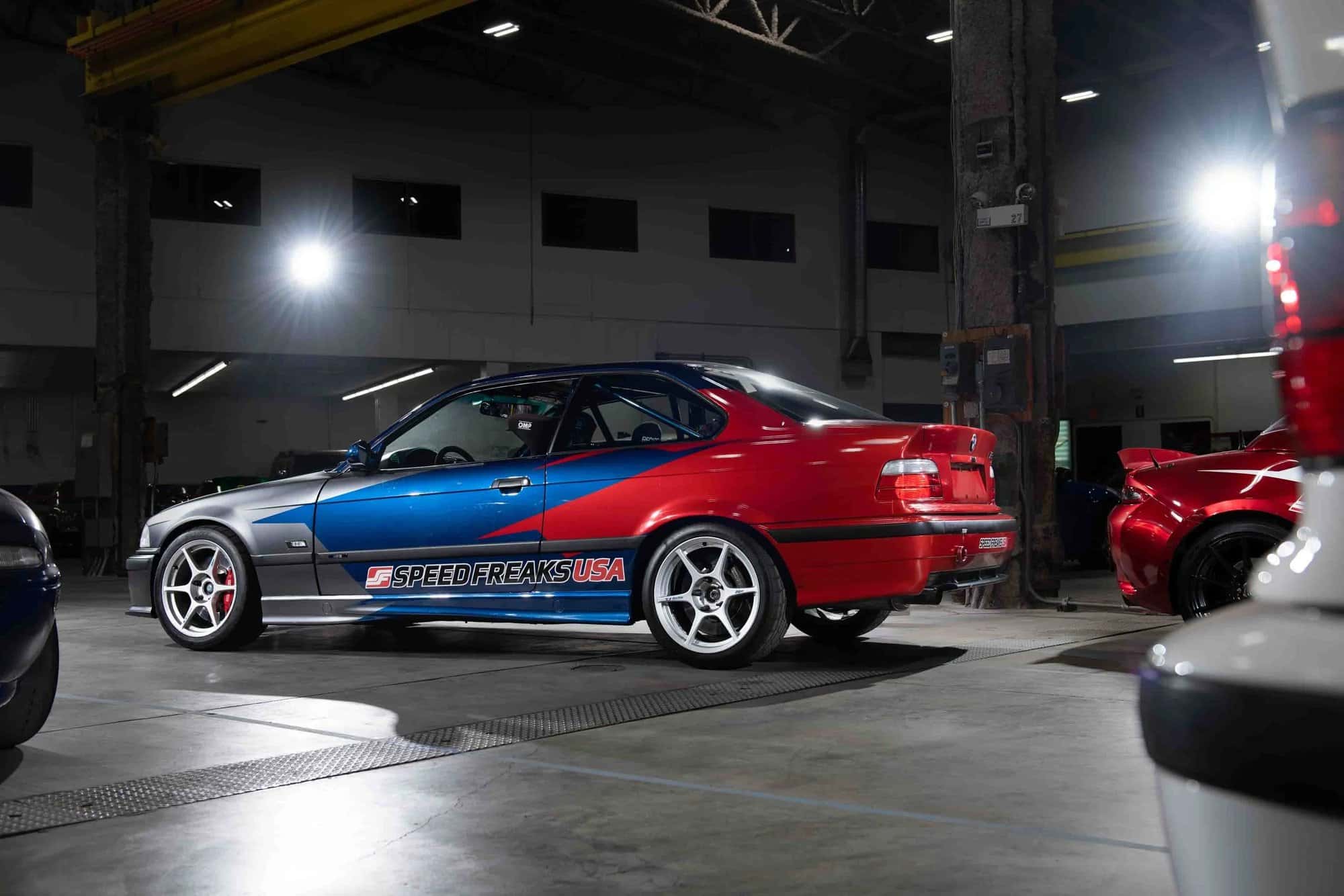
1997 BMW M3 Track Car E36
Quote only /day
2001 Mazda Miata Track Car NB2
Quote only /day
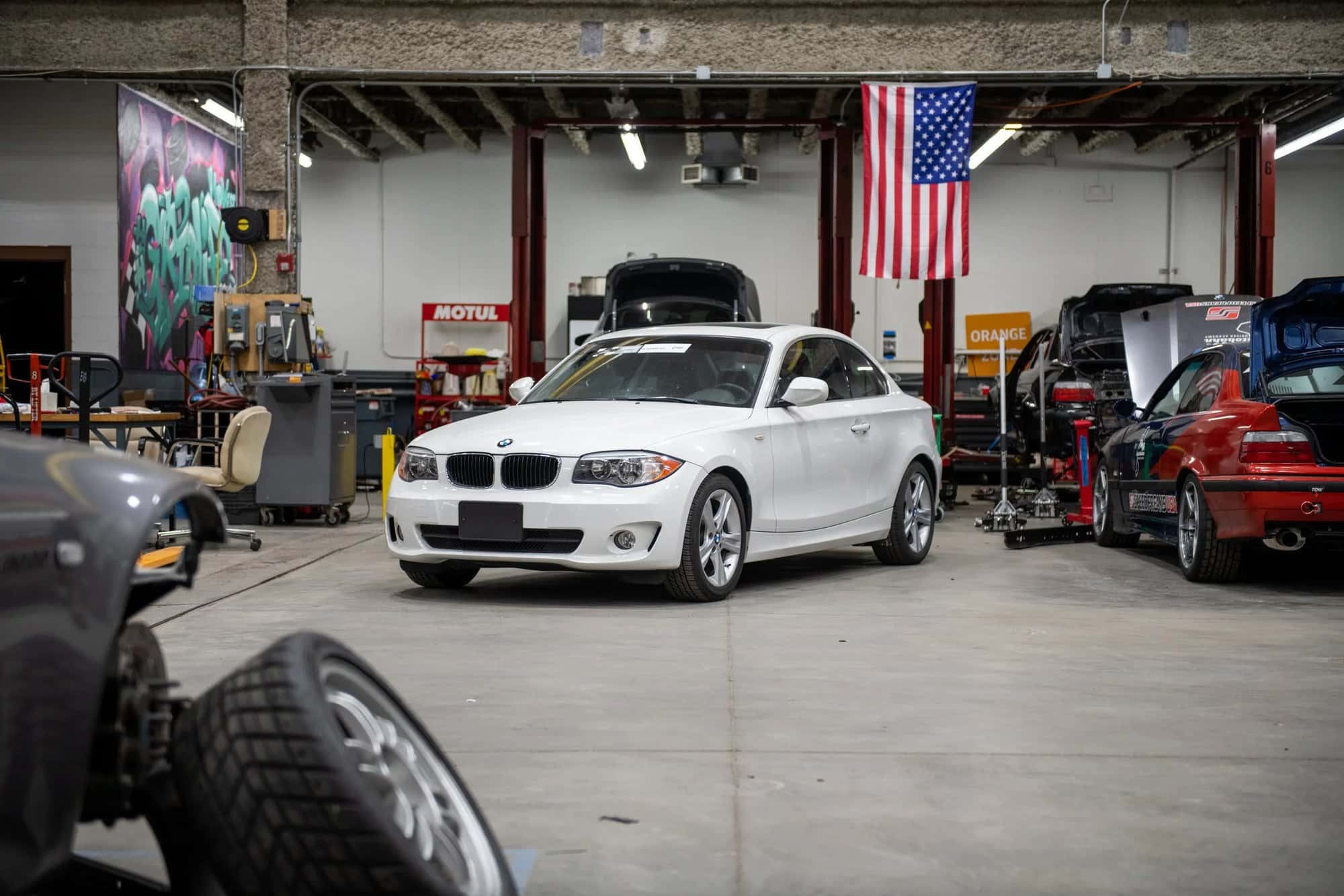
2012 BMW 128i Track Car E82
Quote only /day