
Rear-Wheel Drive Track Techniques for Beginners: Master RWD Performance Driving
By Hot Lap Rentals · 16 min read
Last updated: July 2025
Rear-wheel drive represents the purest form of performance driving dynamics, separating steering duties from power delivery in a way that rewards proper technique and punishes mistakes. For beginners transitioning from front-wheel drive daily drivers or taking their first steps into performance driving, understanding RWD characteristics is essential for safe and effective track day participation. This comprehensive guide covers everything beginners need to know about rear-wheel drive dynamics, from basic principles to essential techniques that will build confidence and speed safely.
Understanding Rear-Wheel Drive Fundamentals
Rear-wheel drive creates fundamentally different vehicle dynamics compared to front-wheel drive cars. Understanding these differences is crucial for developing proper technique and avoiding dangerous situations.
Weight Distribution and Balance Most RWD cars feature more balanced weight distribution than FWD vehicles, typically 50-55% front, 45-50% rear. This balance affects handling in several key ways:
Natural Balance: Better front-to-rear weight distribution creates more neutral handling characteristics and reduces the understeer tendency common in FWD cars.
Power-On Characteristics: Acceleration transfers weight to the rear wheels, which improves traction for the driven wheels - a significant advantage over FWD.
Braking Balance: More rear weight means better brake balance distribution, though it also means greater potential for rear wheel lockup without proper technique.
Cornering Dynamics: Better weight distribution allows for more precise cornering balance and the ability to adjust the car's attitude with throttle inputs.
The Separation of Duties RWD's key advantage lies in separating steering and power delivery:
Front Wheels: Handle only steering and braking (with rear assistance), allowing for more precise steering feel and feedback.
Rear Wheels: Handle only acceleration and braking, providing better traction under power and more predictable power delivery.
Balance Benefits: This separation allows drivers to use steering and throttle independently to control vehicle balance and attitude.
Feedback Quality: Better separation means clearer feedback about what each end of the car is doing, improving driver education and skill development.
RWD Characteristics vs. FWD
For beginners familiar with FWD cars, understanding the key differences helps adapt driving techniques appropriately.
Understeer vs. Oversteer Tendencies
FWD Understeer: FWD cars naturally push wide (understeer) when cornering limits are exceeded, typically feeling "safe" but limiting performance.
RWD Oversteer: RWD cars can oversteer (rear end slides out) when power or cornering limits are exceeded, requiring different recovery techniques.
Controllability: While RWD oversteer might seem scarier, it's actually more controllable with proper technique, allowing skilled drivers to use it as a tool.
Learning Curve: RWD requires more respect and patience initially but ultimately teaches more complete car control skills.
Throttle Response Differences
Power Delivery: RWD acceleration feels more linear and predictable because power goes to wheels not responsible for steering.
Corner Exit: RWD cars can typically accelerate earlier and harder out of corners due to better rear traction.
Throttle Steering: Advanced RWD technique allows using throttle to help steer the car through oversteer management.
Traction Management: RWD traction management focuses on rear wheel spin rather than front wheel slip.
Essential RWD Techniques for Beginners
Mastering these fundamental techniques provides the foundation for safe and effective RWD track driving.
Smooth Steering Inputs
Progressive Steering: RWD cars reward smooth, progressive steering inputs rather than sudden corrections. Quick steering changes can upset the chassis balance and lead to oversteer.
Steering Feel: Learn to feel what the front tires are doing through the steering wheel. RWD provides cleaner steering feedback than FWD.
Steering Corrections: When the car doesn't respond as expected, resist the urge to add more steering lock. Instead, evaluate speed and balance first.
Looking Ahead: RWD cars require earlier visual planning because they respond differently to inputs compared to FWD vehicles.
Throttle Control and Management
Progressive Application: The most critical RWD skill is smooth, progressive throttle application. Sudden throttle inputs can cause instant oversteer in powerful RWD cars.
Corner Exit Patience: Wait until you can see the corner exit and the car is pointed in the right direction before applying significant power.
Throttle Sensitivity: Develop sensitivity to feel the onset of rear wheel slip through your seat and steering wheel.
Recovery Technique: When rear wheels start to slip, reduce throttle smoothly rather than lifting completely, which can cause snap oversteer.
Weight Transfer Awareness
Understanding Weight Transfer: RWD cars teach weight transfer more clearly than FWD. Learn to feel how braking, acceleration, and steering affect weight distribution.
Using Weight Transfer: Advanced RWD driving involves using weight transfer as a tool to improve cornering and balance.
Braking Effects: Understand how braking affects rear wheel loading and potential for lockup.
Acceleration Effects: Learn how power application transfers weight rearward and affects front-end grip.
Corner-by-Corner RWD Technique
Breaking down cornering into phases helps beginners develop proper RWD technique systematically.
Corner Entry Technique
Braking Phase:
- Begin braking earlier than you think necessary to avoid panic braking
- Use smooth, progressive brake pressure to maintain stability
- Trail brake gently into the corner to keep weight on the front tires
- Monitor rear wheel lockup tendency, especially under hard braking
Turn-In Phase:
- Begin turn-in with smooth, progressive steering input
- Maintain slight trail braking to keep front-end grip
- Look ahead to the apex and beyond for proper line planning
- Feel for front tire grip limits through steering feedback
Initial Corner Response:
- Allow the car to settle into the corner before adding speed
- Monitor understeer or oversteer tendencies
- Make small corrections rather than large input changes
- Be patient - RWD cars often need time to establish their line
Mid-Corner Technique
Maintenance Phase:
- Maintain steady throttle or very slight trail braking
- Focus on smooth, consistent inputs
- Monitor tire grip through steering feel and seat feedback
- Prepare visually for corner exit
Balance Management:
- Keep the car balanced through weight transfer control
- Avoid sudden input changes that upset chassis balance
- Use minimum steering input necessary for the desired line
- Maintain awareness of both front and rear tire grip levels
Line Adjustment:
- Make line corrections through speed adjustments rather than steering changes
- Use slight throttle or brake adjustments to fine-tune the line
- Look ahead constantly for exit preparation
- Stay patient with the process - RWD rewards consistency over aggression
Corner Exit Technique
Apex to Exit Transition:
- Wait until past the apex before significant throttle application
- Begin with very light throttle pressure and build gradually
- Keep the car pointed toward your exit target before adding power
- Monitor rear wheel traction through seat and steering feedback
Power Application:
- Apply power progressively - never suddenly in RWD cars
- Feel for the limit of rear tire grip and stay just below it
- If rear wheels begin to slip, reduce throttle slightly rather than lifting completely
- Maintain steering precision during power application
Managing Power Oversteer:
- If the rear starts to slide, reduce throttle smoothly
- Apply counter-steering gradually and only as needed
- Look where you want to go, not where the car is sliding
- Be patient - RWD oversteer takes time to develop and resolve
Specific RWD Platforms for Beginners
Different RWD cars offer varying characteristics that affect the learning process.
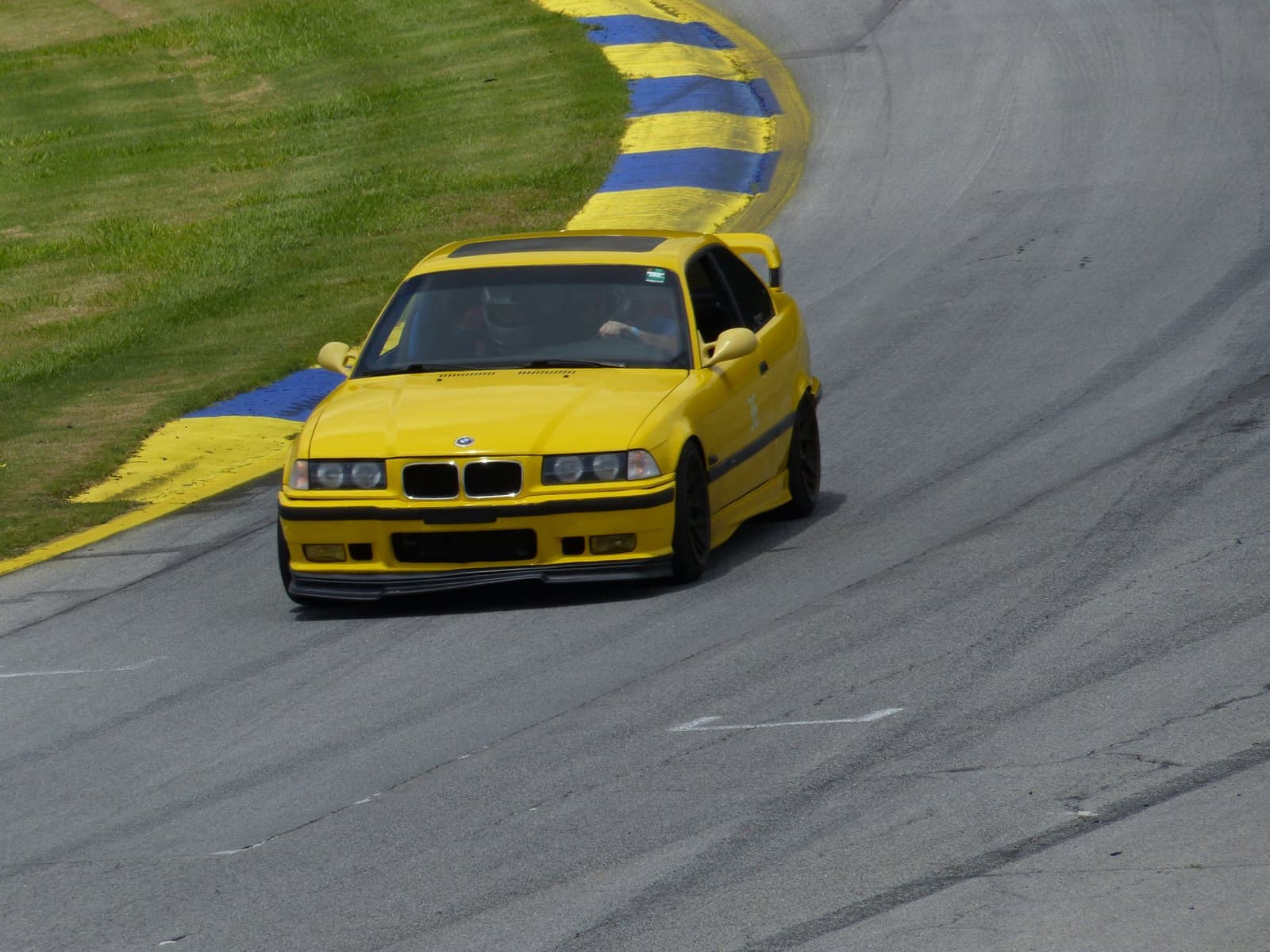
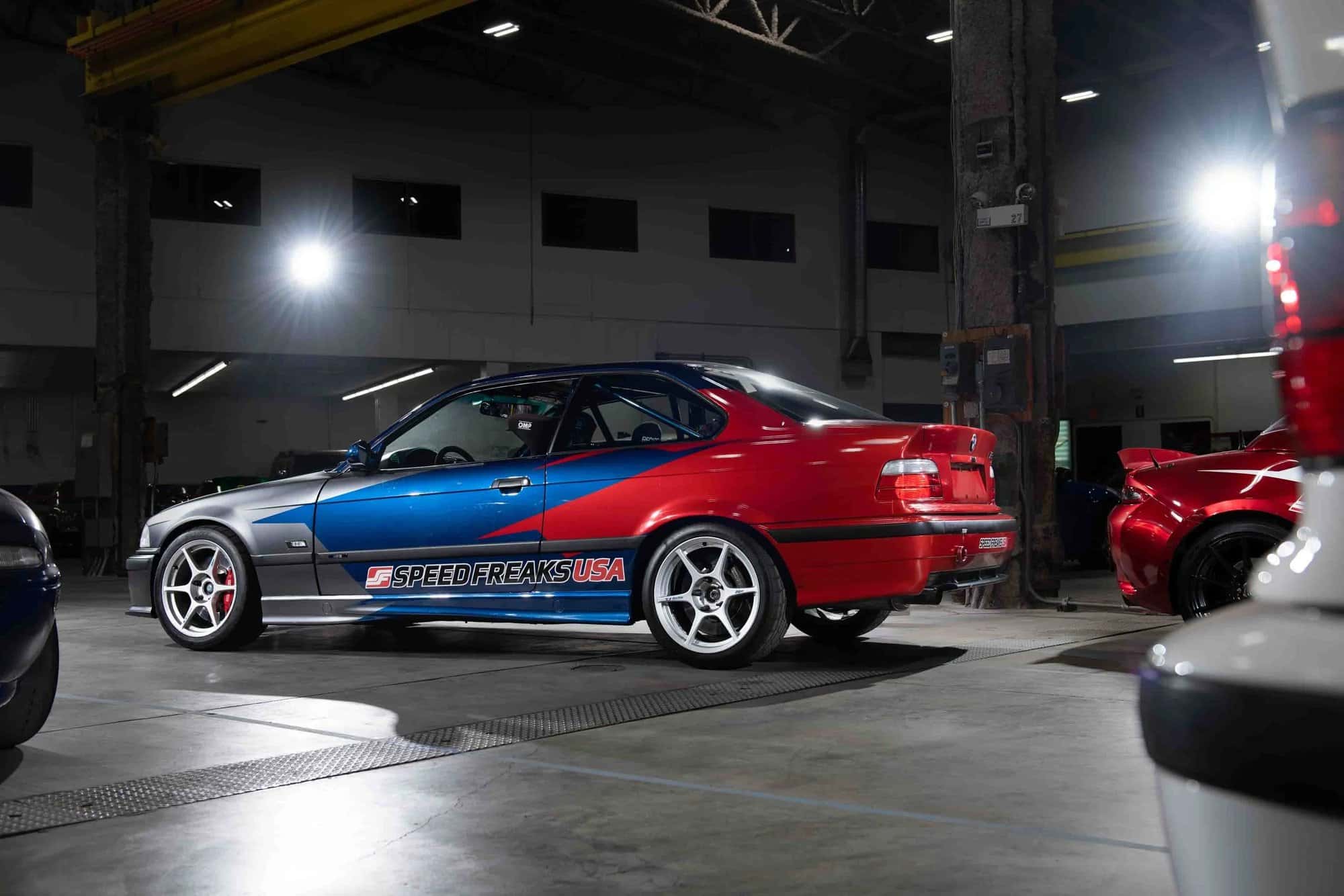
BMW E36 3-Series (325i/328i): The Ideal Learning Platform
Why E36 BMW Excel for RWD Learning:
- Excellent chassis balance with slight rear bias teaches proper RWD technique
- Moderate power levels (189-240 hp) provide engagement without overwhelming beginners
- Predictable handling characteristics with progressive breakaway
- Excellent steering feel and feedback for learning
- Strong safety record and crash protection
- Affordable purchase prices and reasonable operating costs
- Huge enthusiast community with extensive knowledge sharing
E36 Learning Advantages:
- Forgiving nature allows mistakes without severe consequences
- Progressive oversteer characteristics give time to react and learn
- Excellent balance teaches weight transfer and chassis dynamics
- Manual transmission teaches advanced shifting techniques
- Multiple configurations (sedan, coupe, convertible) offer options
Getting Started with E36:
- 325i provides perfect power level for beginners
- 328i offers more power while maintaining excellent balance
- Avoid M3 until RWD fundamentals are mastered
- Focus on mechanical condition over cosmetics
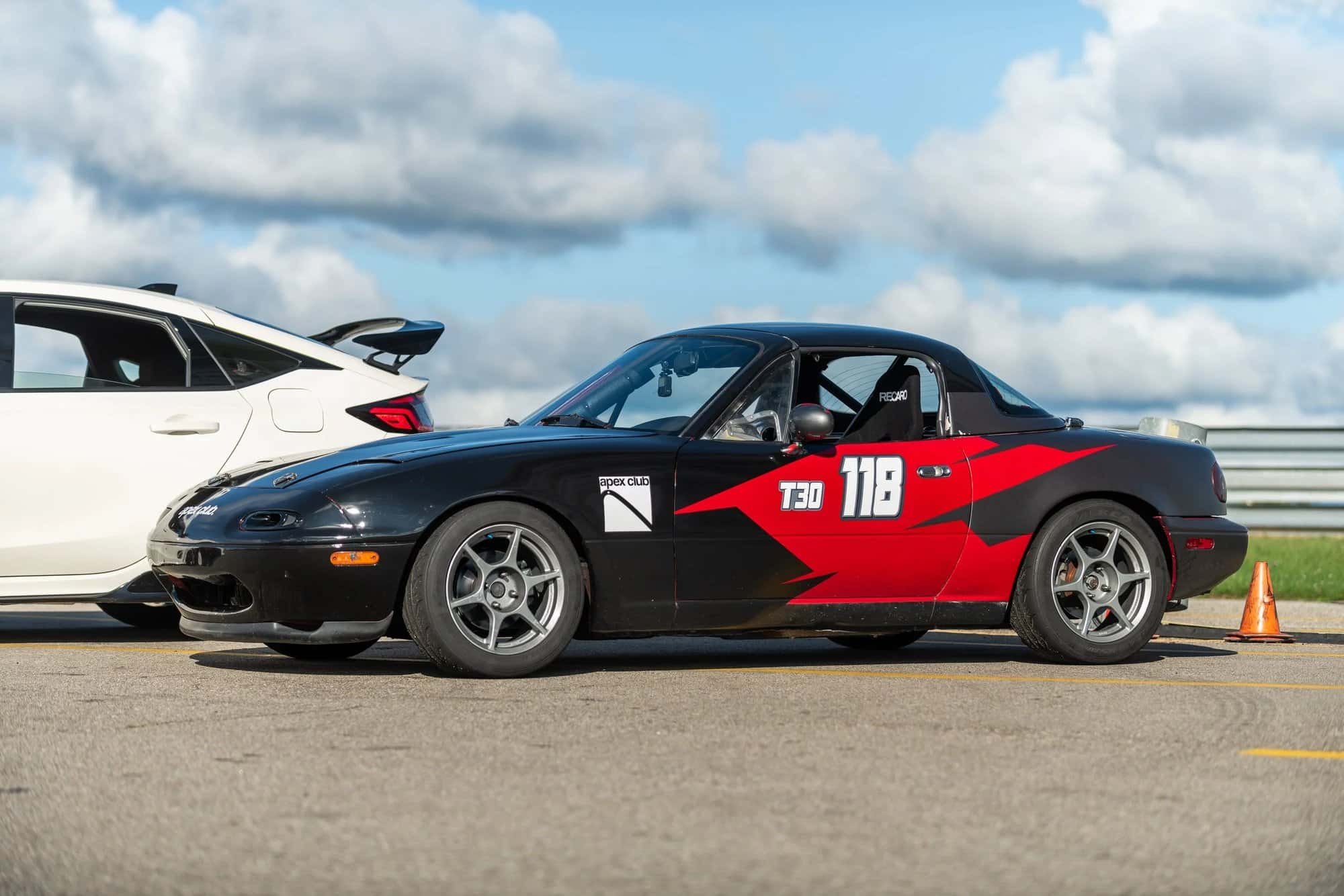
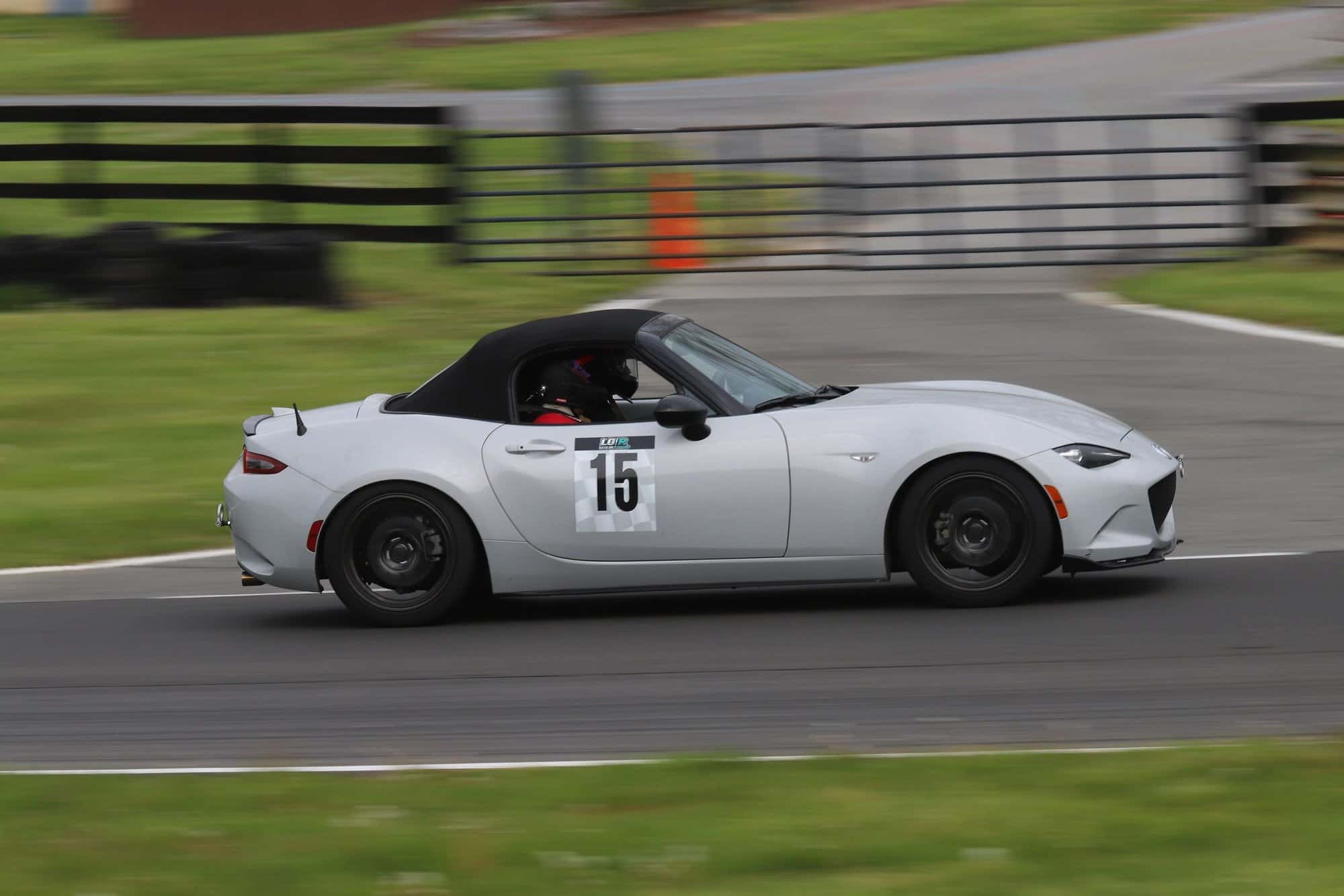
Mazda Miata: RWD in Pure Form
Miata RWD Learning Benefits:
- Perfect 50/50 weight distribution creates ideal RWD dynamics
- Lower power levels allow focus on technique rather than power management
- Lightweight chassis provides immediate feedback
- Convertible design allows excellent instructor communication
- Proven safety record in track environments
- Lower operating costs than larger RWD cars
Miata RWD Characteristics:
- Teaches pure RWD technique without power complications
- Excellent for learning weight transfer and balance
- Progressive handling characteristics with high limits
- Smaller size teaches precision and car placement
- Less intimidating for beginners transitioning from FWD
Toyota 86/Subaru BRZ: Modern RWD Education
86/BRZ Learning Advantages:
- Modern safety systems provide confidence for learning
- Deliberate tuning for balanced, teachable handling
- Adequate power (200+ hp) without being overwhelming
- Excellent chassis rigidity and steering precision
- Contemporary safety features and crash protection
- Good dealer support and parts availability
Learning Characteristics:
- Intentionally tuned for slight oversteer tendency
- Excellent for learning RWD recovery techniques
- Modern electronics can assist learning (when not disabled)
- Good progression path from beginner to advanced techniques
- Comfortable interior for extended learning sessions
Common RWD Beginner Mistakes
Understanding typical beginner errors helps avoid dangerous situations and accelerate learning.
Throttle-Related Mistakes
Abrupt Throttle Application:
- Mistake: Sudden full throttle application causing instant oversteer
- Correction: Practice progressive throttle application starting with very light pressure
- Prevention: Focus on smooth inputs and feeling for rear tire grip limits
Panic Throttle Lift:
- Mistake: Lifting throttle completely when rear wheels start to slip
- Correction: Reduce throttle gradually rather than lifting completely
- Prevention: Learn to feel and manage slight rear wheel slip rather than avoiding it
Power-On Too Early:
- Mistake: Applying power before the car is pointed toward the exit
- Correction: Wait until past apex and pointed correctly before significant power
- Prevention: Look ahead to corner exit and plan power application timing
Steering-Related Mistakes
Overcorrection:
- Mistake: Adding excessive steering lock when the car doesn't turn in
- Correction: Evaluate speed and weight transfer before adding more steering
- Prevention: Learn that RWD cars often need different lines than FWD
Counter-Steering Errors:
- Mistake: Too much or too little counter-steering during oversteer
- Correction: Practice smooth, progressive counter-steering in safe environments
- Prevention: Learn to anticipate oversteer and catch it early with small inputs
Fighting the Car:
- Mistake: Constant steering corrections fighting natural balance
- Correction: Allow the car to settle and use smooth inputs
- Prevention: Trust RWD balance and work with it rather than against it
Balance and Weight Transfer Mistakes
Ignoring Weight Transfer:
- Mistake: Not understanding how inputs affect weight distribution
- Correction: Learn to feel weight transfer through seat and steering feedback
- Prevention: Study weight transfer theory and practice feeling it on track
Sudden Input Changes:
- Mistake: Abrupt steering, throttle, or brake changes that upset balance
- Correction: Focus on smooth, progressive inputs in all phases
- Prevention: Practice smooth inputs in safe environments before track use
RWD Safety Considerations
RWD cars require additional safety awareness due to oversteer potential and higher performance levels.
Understanding Oversteer
Recognizing Oversteer Onset:
- Feel rear tire slip through seat-of-pants feedback
- Notice steering wheel becoming light or twitchy
- Observe car rotation beginning through visual references
- Understand that early recognition allows easier recovery
Oversteer Recovery Technique:
- Look where you want to go, not where the car is sliding
- Apply smooth counter-steering only as needed
- Reduce throttle gradually rather than lifting completely
- Be patient - RWD oversteer develops and resolves gradually
When Oversteer Goes Wrong:
- Maintain calm and avoid sudden inputs
- Focus on steering where you want to go
- Use throttle modulation to control rear wheel spin
- Accept that some oversteer incidents require simply riding out
Oversteer Prevention:
- Develop smooth throttle application technique
- Learn to recognize grip limits before exceeding them
- Practice weight transfer management
- Build skills gradually rather than pushing limits immediately
Limit Recognition
Grip Limit Indicators:
- Tire noise changes (squealing typically indicates limit approach)
- Steering feel changes (loss of weight or feedback)
- Vehicle balance changes (weight transfer effects)
- Visual references (car position relative to track)
Speed Management:
- Start conservatively and build speed gradually
- Learn to recognize comfortable margins below limits
- Practice consistent speeds before pursuing maximum speeds
- Understand that consistency teaches more than peak performance
Track Day Insurance for RWD Cars
Why Insurance Matters More for RWD:
- Higher performance potential increases incident severity
- Oversteer incidents can result in significant damage
- Track day insurance provides learning confidence
- Proper coverage protects financial investment
Insurance Considerations:
- Hagerty offers comprehensive HPDE coverage suitable for RWD cars
- Traction Insurance provides expert guidance for RWD-specific needs
- Higher-performance RWD cars may require higher coverage limits
- Document modifications and upgrades for proper coverage
Learning RWD Through Rentals
Renting RWD cars provides excellent learning opportunities without the commitment and costs of ownership.
Hot Lap Rentals RWD Learning Benefits
Access to Proper RWD Cars:
- Experience well-maintained, track-prepared RWD vehicles
- Learn from owners who understand RWD setup and technique
- Try different RWD platforms to find preferences
- Access cars specifically prepared for teaching RWD fundamentals
Owner Expertise:
- Connect with experienced RWD drivers willing to teach
- Learn platform-specific techniques and characteristics
- Get guidance on RWD theory and practical application
- Access to track-specific setup knowledge and advice
Safety and Preparation:
- Rent cars with proper safety equipment already installed
- Benefit from professional preparation and maintenance
- Learn from owners who prioritize safety and education
- Access to backup support during learning process
Popular RWD Rental Options
BMW E36 Rentals:
- Ideal learning platform with forgiving characteristics
- Owners often focus on education and skill development
- Wide range of power levels and preparation states
- Strong community support and knowledge sharing
Miata RWD Rentals:
- Pure RWD experience without power complications
- Lower costs allow more seat time for skill development
- Owners often enthusiastic about teaching RWD fundamentals
- Proven safety record provides confidence for learning
86/BRZ Rentals:
- Modern safety features provide confidence for beginners
- Owners often understand progression from beginner to advanced
- Contemporary reliability and comfort for longer learning sessions
- Good balance of performance and teachability
Track Day Organizations for RWD Learning
Different organizations offer varying levels of support for RWD skill development.
JZilla Track Days - RWD Community Support
Beginner-Friendly RWD Instruction:
- Instructors understand RWD-specific techniques and challenges
- Community atmosphere encourages questions and learning
- Events accommodate various skill levels and learning paces
- Focus on safety and education rather than pure performance
RWD Community:
- Many experienced RWD drivers participate in JZilla events
- Knowledge sharing about RWD setup, technique, and safety
- Supportive environment for developing RWD skills
- Access to variety of RWD platforms and owner expertise
SCCA RWD Programs
Structured RWD Learning:
- Progressive run group system accommodates RWD skill development
- Instructors trained in RWD-specific teaching techniques
- High safety standards appropriate for RWD learning
- Clear progression path from beginner to advanced RWD driving
Technical Support:
- Technical inspection standards accommodate RWD modifications
- Understanding of RWD-specific setup and safety requirements
- Access to competitive RWD classes for future development
- Community of serious RWD enthusiasts and racers
NASA RWD Development
Performance Focus:
- Programs that accommodate progression from HPDE to time trials
- Technical regulations that support RWD modification and development
- Community includes competitive RWD drivers and experience
- Balance of education and performance development
Physical and Mental Aspects of RWD Learning
RWD driving requires specific physical and mental approaches different from FWD.
Physical Technique Development
Steering Sensitivity:
- Develop lighter touch for RWD steering requirements
- Learn to feel front tire loading through steering feedback
- Practice smooth, progressive steering inputs
- Build sensitivity to oversteer onset through steering feel
Throttle Foot Sensitivity:
- Develop precise throttle control for RWD power management
- Practice progressive throttle application starting very gently
- Learn to feel rear tire slip through throttle foot feedback
- Master heel-toe downshifting for smooth corner entry
Whole-Body Awareness:
- Learn to feel weight transfer through seat and body position
- Develop sensitivity to chassis balance and attitude changes
- Practice recognizing oversteer onset through body feedback
- Build awareness of car position and track references
Mental Approach for RWD
Patience Development:
- Accept that RWD requires different techniques than FWD
- Develop patience for gradual skill and confidence building
- Learn to work with RWD characteristics rather than fighting them
- Focus on smooth, consistent technique over speed
Confidence Building:
- Start with conservative speeds and build gradually
- Practice basic techniques repeatedly before attempting advanced methods
- Learn from mistakes without becoming intimidated
- Build positive experiences through progressive success
Respect and Caution:
- Maintain healthy respect for RWD power and handling characteristics
- Never attempt techniques beyond your current skill level
- Always prioritize safety over speed or excitement
- Learn from experienced RWD drivers and instructors
Data Analysis for RWD Learning
Modern data logging systems can significantly accelerate RWD skill development.
RWD-Specific Data Points
Throttle Application Analysis:
- Study throttle traces for smooth, progressive application
- Identify areas where abrupt throttle causes problems
- Compare throttle timing between fast and consistent laps
- Learn optimal power application points for each corner
Speed and Balance Data:
- Analyze corner exit speeds to optimize RWD advantages
- Study minimum corner speeds for entry technique evaluation
- Compare speed traces to identify areas for improvement
- Understand speed vs. consistency relationships
Steering Input Analysis:
- Monitor steering smoothness and correction frequency
- Identify areas where excessive steering input hurts performance
- Study correlation between steering technique and lap times
- Learn to minimize unnecessary steering corrections
Using Data for RWD Development
Comparing to Reference:
- Study data from experienced RWD drivers
- Understand technique differences and their data signatures
- Learn to identify RWD-specific optimization opportunities
- Practice applying lessons learned from data analysis
Progress Tracking:
- Monitor improvement in consistency and smoothness
- Track progression in corner exit speeds and technique
- Identify areas needing focused practice and development
- Use data to validate technique changes and improvements
Advanced Preparation for RWD
Once basic RWD techniques are comfortable, preparation for advanced techniques becomes relevant.
Building Advanced Skills
Throttle Steering:
- Learn to use throttle to help rotate the car
- Practice controlled oversteer in safe environments
- Understand how power affects cornering balance
- Master recovery techniques for various oversteer situations
Weight Transfer Mastery:
- Learn to use weight transfer as a tool for cornering
- Practice brake-induced oversteer for corner rotation
- Understand how to use weight transfer for better cornering
- Master complex weight transfer sequences through corner combinations
Setup Understanding:
- Learn how suspension affects RWD handling balance
- Understand differential effects on RWD traction and handling
- Study tire pressure effects on RWD performance and safety
- Learn basic setup principles for RWD optimization
Progression Planning
Skill Development Sequence:
- Master basic smooth inputs and consistent technique
- Develop confidence with mild oversteer and recovery
- Learn advanced throttle control and weight transfer
- Practice advanced techniques safely before applying on track
Equipment Advancement:
- Consider data logging for objective skill development feedback
- Evaluate safety equipment upgrades for advanced driving
- Learn about RWD-specific modifications and their effects
- Plan progression path toward advanced RWD driving
Conclusion
Rear-wheel drive represents the pinnacle of driving dynamics education, offering unparalleled feedback and teaching opportunities for those willing to invest the time in proper technique development. While RWD requires more respect and patience than FWD, the rewards include superior car control skills, better understanding of vehicle dynamics, and access to some of the world's greatest sports cars.
The key to successful RWD learning lies in starting with appropriate cars, receiving proper instruction, and building skills gradually. Platforms like the BMW E36, Miata, and 86/BRZ provide excellent learning environments when approached with the right techniques and mindset.
Organizations like JZilla Track Days offer supportive environments for RWD skill development, while platforms like Hot Lap Rentals provide access to properly prepared RWD cars and the expertise of their experienced owners. Combined with appropriate insurance coverage from providers like Hagerty or Traction Insurance, RWD learning becomes both accessible and safe.
Remember that mastering RWD fundamentals takes time and practice. Focus on smooth inputs, progressive skill building, and safety above all else. The advanced techniques and higher performance levels will come naturally as your foundational skills develop.
Most importantly, enjoy the process. RWD cars offer some of the most rewarding and educational driving experiences available. With proper approach, good instruction, and appropriate preparation, learning RWD technique opens doors to a lifetime of performance driving enjoyment and continuous skill development.
Ready to begin your RWD journey? Connect with experienced RWD car owners through Hot Lap Rentals and discover the pure joy of rear-wheel drive performance driving with the support and guidance of the Southeast's most knowledgeable driving community.
In the directory
1994 Mazda Miata Track Car NA
Quote only /day
1997 BMW M3 Track Car E36
Quote only /day
2001 Mazda Miata Track Car NB2
Quote only /day
2012 BMW 128i Track Car E82
Quote only /day

2016 Mazda MX-5 Miata Cup ND
Quote only /day
2019 Mazda MX-5 Miata Club
$750/day