
Track Car Insurance: Complete Guide to Coverage for Track Days and Performance Driving
By Hot Lap Rentals · 7 min read
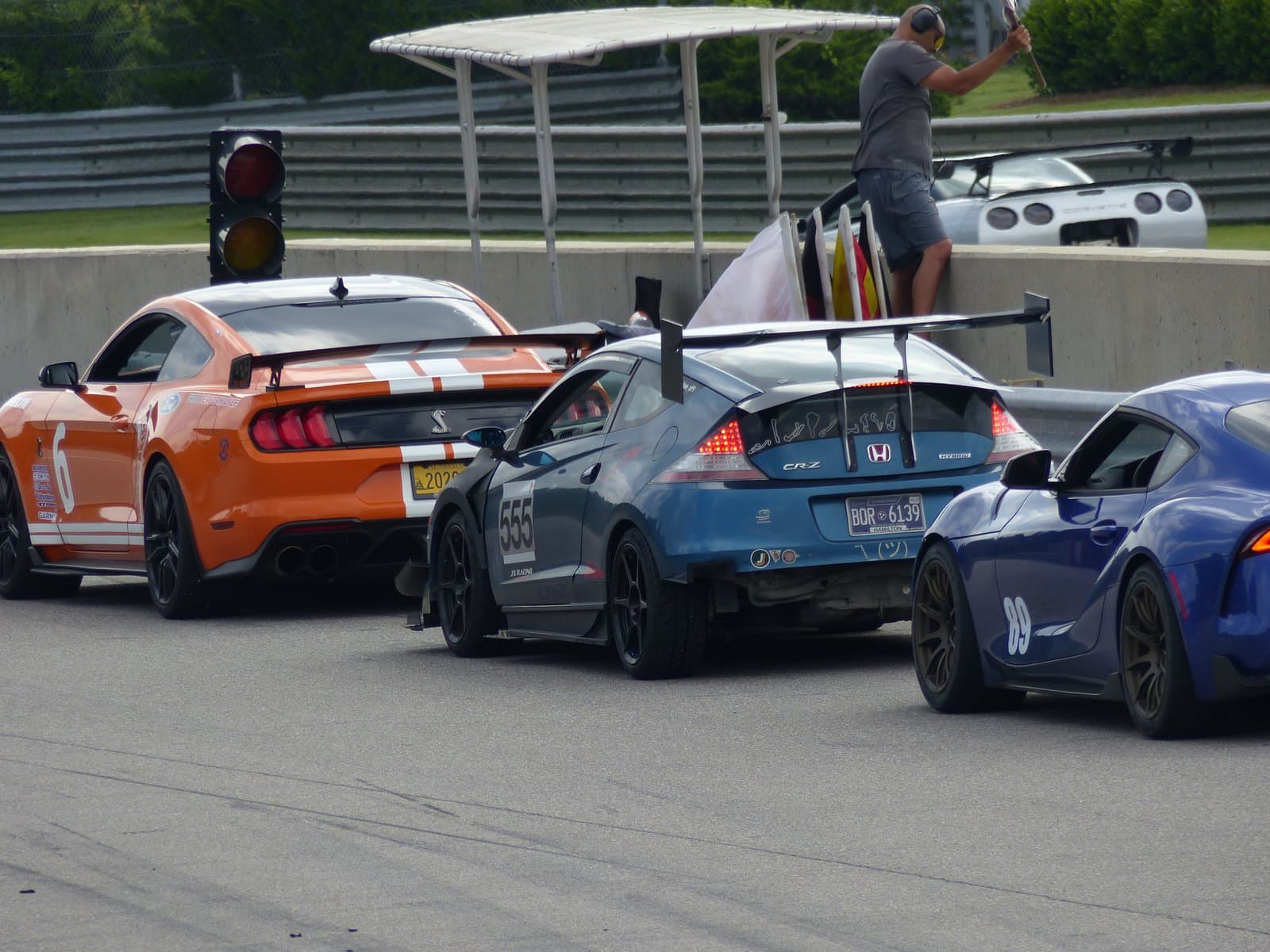
Track Car Insurance: The Complete Guide to Coverage for Track Days and Performance Driving
Last updated: July 2025
Whether you're taking your daily driver to the track or renting a high-performance track car, understanding insurance coverage is crucial for protecting yourself financially. Most drivers discover too late that their regular auto insurance doesn't cover track activities, leaving them exposed to potentially massive repair bills.
Why Regular Auto Insurance Doesn't Cover Track Days
Standard auto insurance policies explicitly exclude coverage for "racing, speed contests, or driving on a racetrack." This means if you crash your $50,000 sports car during a track day, you're likely paying for repairs out of pocket. The same applies when renting track cars - understanding insurance responsibilities protects both renters and owners.
Common exclusions in standard policies:
- Any organized racing or timed events
- Driving on closed courses or racetracks
- Speed contests or exhibitions
- Driver education events at racetracks
Types of Track Day Insurance Coverage
1. Track Day Insurance Policies
Several specialty insurers offer track-specific coverage:
Lockton Motorsports - Offers policies that cover damage to your car when participating in HPDE, track day, or time trial events, protecting your car from the time you enter the track grounds until you leave. Typical pricing: $190-230 for a $30,000 vehicle per event, $370-410 for a $60,000 vehicle, $560-600 for a $90,000 vehicle. Can be purchased online at LocktonMotorsports.com, even day-of-event.
Hagerty (powered by RLI) - Track day insurance powered by RLI provides single-event HPDE coverage designed to protect your car from physical damage, both on the track and in the paddock. Policies are underwritten by RLI Track Day, a specialty insurer rated (A+) Superior by A.M. Best. Covers vehicles from 1941 to 2018+ model years, up to $175,000 in coverage, with agreed value policies starting at $200 per day with a $2,000 deductible. Includes towing and storage if disabled, rental car reimbursement, and pollutant cleanup. Exclusive on-track insurance partner of SCCA's "Track Night in America."
RLI Insurance (Direct) - Been insuring high performance drivers for nearly a decade, designed specifically for HPDE events. Offers single-event insurance policies and has expanded to include Competitive Time Trial coverage for rankings, prizes or points in a series. Real example pricing: $55k assumed value for $303 with $5k deductible for a 2-day event.
OpenTrack - Offers both single-event coverage and unlimited annual protection with up to $500,000 in physical damage coverage and $2 million in liability protection. Features the highest coverage limits in the industry, covers street-licensed cars and non-licensed track cars on a stated value basis. Includes modifications, additional drivers at no extra charge, and instructor protection.
Traction Insurance - Acts as an agent/broker helping match motorsports drivers with underwriting companies rather than being a carrier themselves. Works with several top track day insurance companies, doesn't mark up costs or charge additional fees. Can help with annual track day coverage even for cars with non-traditional VINs (purpose-built race cars, kit cars, imported vehicles). Covers cars up to extremely high values of $250,000 or more, including most exotics.
2. Agreed Value vs. Actual Cash Value
When insuring a modified track car, choose between:
- Agreed Value: You and the insurer agree on the car's value upfront, accounting for modifications
- Actual Cash Value: Standard depreciated value, which may not reflect expensive track modifications
3. Coverage Limits and Deductibles
Track insurance typically offers:
- Collision coverage from $25,000 to $500,000+
- Deductibles ranging from $1,000 to $10,000
- Some policies include towing and trailer coverage
Insurance for Track Car Rentals
If You're Renting a Track Car
Before Your Track Day:
- Verify the owner's insurance requirements
- Purchase track day insurance if required
- Understand your liability for damages
- Get everything in writing
Common renter requirements:
- Minimum $2,500-$5,000 security deposit
- Proof of track day insurance
- Valid driver's license and clean driving record
- Sometimes proof of previous track experience
If You're Renting Out Your Track Car
Protect yourself by:
- Requiring renters to carry track insurance
- Setting appropriate security deposits
- Verifying renter qualifications
- Having clear written agreements about damage responsibilities
Regional Insurance Considerations in the Southeast
Popular Southeast tracks like Road Atlanta, Virginia International Raceway, and Charlotte Motor Speedway each have preferred insurance providers. Many track day organizers can recommend insurers familiar with their specific venues.
Track-specific considerations:
- Some tracks require minimum coverage amounts
- Certain insurers offer discounts for specific track memberships
- Multi-day events may qualify for package pricing
Cost Breakdown: Track Day Insurance
Single Event Coverage:
- Economy car ($15,000-30,000 value): $150-250 per day
- Sports car ($50,000-70,000 value): $350-500 per day
- High-end performance car ($100,000+ value): $700-1,100 per day
Annual Coverage:
- Often more economical for frequent track participants
- Typically 3-5x the cost of single-event coverage
- May include multiple vehicles
Mechanical Breakdown vs. Collision Coverage
Track insurance typically covers collision damage but excludes:
- Engine failures
- Transmission problems
- Differential damage
- Normal wear and tear
Some specialty policies offer mechanical breakdown coverage, but it's expensive and often has strict maintenance requirements.
How to Choose the Right Track Insurance
Questions to Ask Insurers:
- What's specifically covered? Get details on collision, theft, and any mechanical coverage
- What are the exclusions? Understand what situations void coverage
- How are claims handled? Ask about the claims process and typical payout timeframes
- Are modifications covered? Ensure your track modifications are included in coverage
- What tracks are approved? Some policies restrict coverage to certain venues
Red Flags to Avoid:
- Policies that seem too cheap (often have major exclusions)
- Insurers unfamiliar with track day events
- Policies without clear coverage limits
- Companies that don't specialize in motorsports
State-Specific Insurance Requirements
Georgia Track Day Insurance
Georgia tracks often require minimum liability coverage. Popular venues like Road Atlanta work with specific insurers who understand their requirements.
North Carolina and South Carolina
VIR and other regional tracks may have different insurance requirements. Check with track management before your event.
Tips for Track Car Owners and Renters
For Owners:
- Keep detailed records of all modifications
- Take photos before and after each track day
- Consider umbrella liability coverage
- Review insurance annually as car values change
For Renters:
- Shop around - prices vary significantly between insurers
- Read the fine print on exclusions
- Consider mechanical breakdown coverage for expensive rentals
- Always inspect cars thoroughly before and after driving
Making Insurance Claims After Track Incidents
Immediate Steps:
- Document everything with photos and video
- Get incident reports from track officials
- Exchange information with other parties if applicable
- Contact your insurer within 24 hours
- Don't admit fault or discuss details with other drivers
What Insurers Need:
- Police or track official reports
- Photos of damage
- Witness statements
- Detailed explanation of the incident
- Proof of pre-existing condition (for track car rentals)
Frequently Asked Questions
Q: Does my homeowner's insurance cover my track car in the garage? A: Possibly, but coverage is usually limited. Check with your agent about specialty vehicle coverage.
Q: Can I add track coverage to my existing auto policy? A: Very rarely. Most insurers require separate track day policies.
Q: What if I'm instructing at a track day? A: You'll likely need additional instructor liability coverage beyond standard track insurance.
Q: Are karting and autocross covered differently? A: Yes, these often have different insurance requirements and costs compared to high-speed track days.
Finding the Right Coverage for Your Needs
Track day insurance is essential whether you own a track car or rent one. The key is matching coverage to your specific situation - a weekend warrior with a modified Miata has different needs than someone renting a $200,000 GT3.
Start by contacting specialty motorsports insurers at least two weeks before your track day. Compare quotes, understand exclusions, and never assume you're covered without explicit confirmation.
Remember, the few hundred dollars spent on proper track insurance can save you tens of thousands in repair costs. It's not just about protecting your investment - it's about ensuring you can keep enjoying track days without financial stress.
Looking for track car rentals in the Southeast? Hot Lap Rentals connects you with track-ready vehicles from passionate owners who understand insurance requirements and can guide you through the process.
In the directory
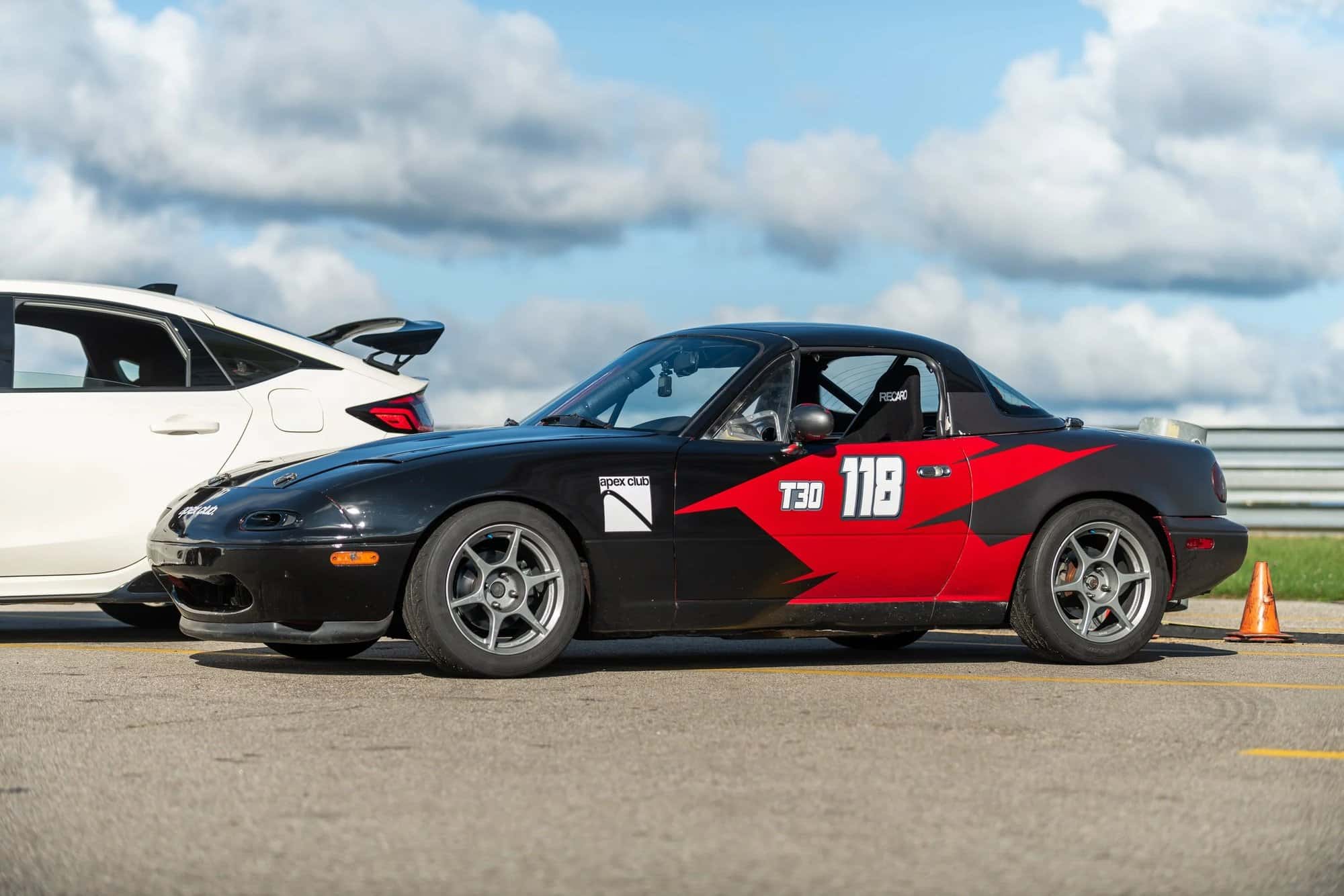
1994 Mazda Miata Track Car NA
Quote only /day
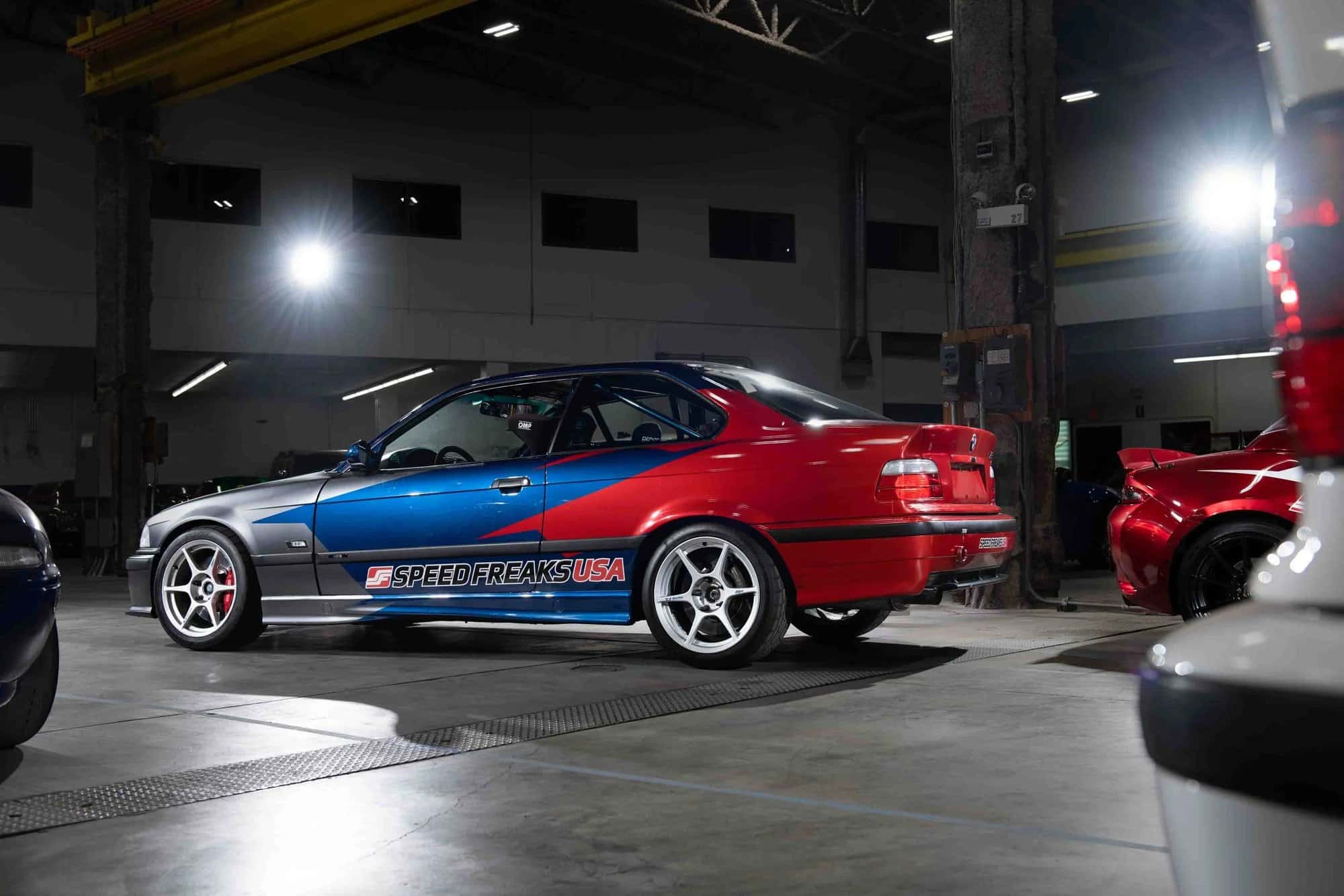
1997 BMW M3 Track Car E36
Quote only /day
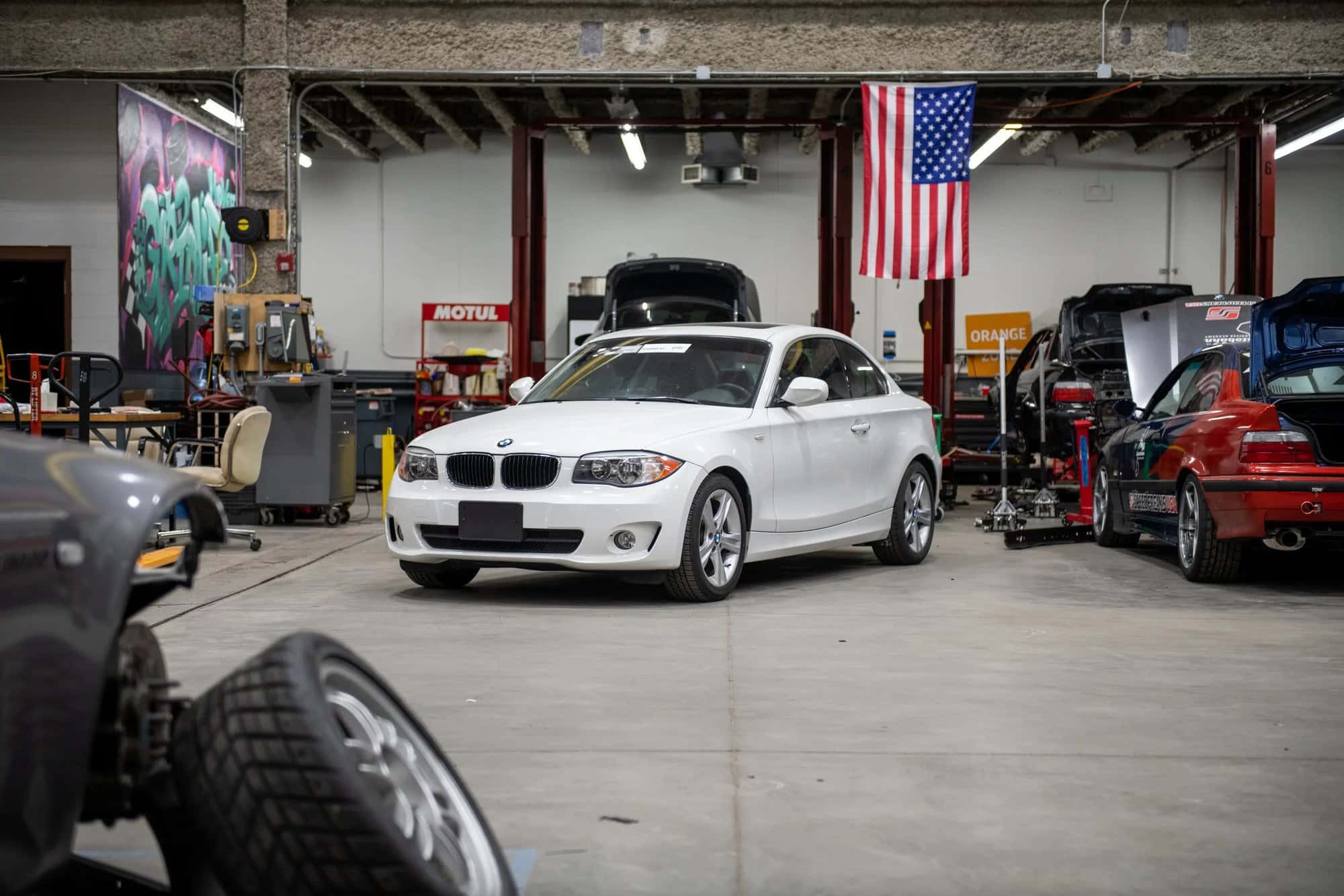
2012 BMW 128i Track Car E82
Quote only /day
2001 Mazda Miata Track Car NB2
Quote only /day