
Track Day Safety: Essential Equipment and Rules for HPDE Events
By Hot Lap Rentals · 14 min read
Last updated: July 2025
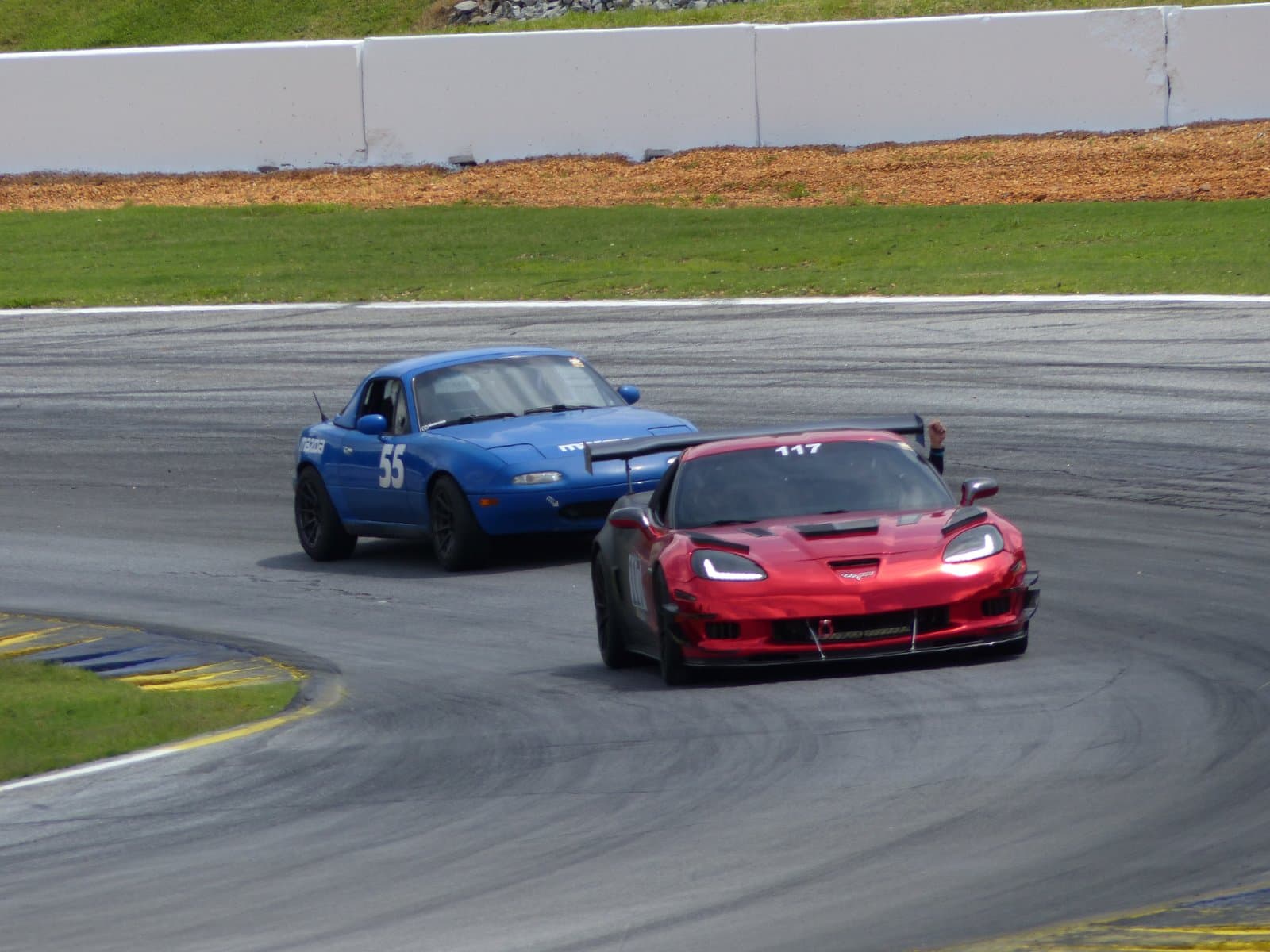
Track day safety is the foundation that makes high-performance driving education possible. While HPDE events are statistically much safer than street driving, the combination of higher speeds and multiple cars on track requires proper preparation, equipment, and mindset. Whether you're attending your first track day or are a seasoned participant, understanding and following safety protocols protects everyone and ensures these events remain available for the entire community.
The Safety-First Mindset
Track day safety begins with the right attitude long before you arrive at the circuit. Unlike racing, where winning justifies calculated risks, HPDE events prioritize learning and fun above all else. This fundamental difference shapes every aspect of track day safety culture.
Core Safety Principles
No Car is Worth Injury or Death Every decision on track should prioritize personal safety and the safety of others over lap times, ego, or protecting your car from damage. Cars can be repaired or replaced - people cannot.
Respect Your Limits and the Limits of Others Honest self-assessment of your abilities prevents dangerous situations. Similarly, respecting other drivers' experience levels and comfort zones maintains a safe environment for everyone.
When in Doubt, Slow Down Track days are about learning and improvement, not setting lap records. If a situation feels uncomfortable or uncertain, the correct response is always to reduce speed and create safety margins.
Leave Your Ego in the Paddock Track day safety requires checking your ego at the gate. Being passed doesn't make you a worse driver, and passing someone doesn't make you a better one. Everyone is there to learn and improve at their own pace.
Essential Safety Equipment
Proper safety equipment forms your primary defense against the inherent risks of high-speed driving. While requirements vary by organization and track, certain equipment is universally important.
Helmet Requirements
The helmet is your most critical piece of safety equipment, and modern standards have dramatically improved protection levels.
Required Standards:
- Snell SA2015 or newer (SA2020 preferred for newest protection)
- Snell M2015/M2020 sometimes accepted but SA ratings are preferred
- FIA standards (FIA 8859-2015, FIA 8860-2018) also widely accepted
- DOT-only motorcycle helmets generally not acceptable for track use
Helmet Selection Considerations:
- Proper fit is more important than brand or price
- Professional fitting recommended for first-time buyers
- Consider ventilation for hot weather track days
- Fire-resistant materials throughout (no synthetic padding)
- Hans device compatibility if planning to upgrade safety systems
Helmet Maintenance:
- Replace after any significant impact
- Check expiration dates - most organizations require helmets under 10 years old
- Clean regularly to prevent degradation from sweat and oils
- Store properly to avoid damage and maintain certification
Protective Clothing
While often overlooked, proper clothing provides crucial protection in fire emergencies and minor incidents.
Minimum Requirements:
- Long pants (cotton or fire-resistant materials preferred)
- Long-sleeve shirt or jacket (cotton or fire-resistant)
- Closed-toe shoes (leather preferred, no synthetic materials)
- Natural fiber materials burn less readily than synthetics
Recommended Upgrades:
- Nomex or other fire-resistant racing suits for regular participants
- Fire-resistant underwear and socks for serious track drivers
- Leather or fire-resistant gloves for better grip and protection
- Racing shoes with thin soles for better pedal feel
What to Avoid:
- Synthetic materials (polyester, nylon, spandex) that melt in fire
- Shorts or short sleeves that leave skin exposed
- Sandals, canvas shoes, or shoes with synthetic uppers
- Loose clothing that can interfere with controls
Vehicle Safety Equipment
Your car's safety systems protect you and enable emergency responders to help quickly if needed.
Fire Suppression:
- Portable fire extinguisher minimum (2.5+ pounds, properly mounted)
- Consider fixed fire suppression systems for dedicated track cars
- ABC or Purple-K extinguishers recommended for automotive fires
- Regular inspection and replacement according to manufacturer schedules
Emergency Shut-Off:
- Battery master switch accessible from driver's seat
- Fuel pump shut-off for cars with electric fuel pumps
- Clearly marked shut-off locations for corner workers
- Consider remote shut-offs for dedicated track cars
Communication:
- Two-way radio for instructor/student communication (if required)
- Cell phone for emergency communication in paddock areas
- Know track emergency frequencies and procedures
- Keep emergency contact information easily accessible
Track-Specific Safety Rules
Different organizations and tracks have varying safety requirements, but certain principles apply universally.
Flag Rules and Communication
Understanding flag signals is mandatory for safe track operation. These standardized signals communicate critical safety information instantly.
Green Flag: Normal racing conditions, track is clear and safe Yellow Flag: Caution - slow down, no passing, hazard on or near track Red Flag: Session stopped immediately, reduce speed and return to pits safely Black Flag: Individual car must return to pits immediately (mechanical issue or driving infraction) Blue Flag with Diagonal Yellow Stripe: Move aside to allow faster traffic to pass Checkered Flag: Session completed, proceed to pit lane at reduced speed
Flag Response Protocols:
- Always acknowledge flag signals with appropriate action
- Under yellow flags, maintain position and speed until hazard is cleared
- Red flags require immediate speed reduction and careful return to pits
- Never ignore flag signals - they exist for everyone's safety
Passing Rules and Etiquette
Safe passing protocols prevent the most common cause of track day incidents.
Point-By Passing (Most Common System):
- Faster car approaches from behind
- Slower car gives point-by signal when safe to pass
- Faster car passes only after receiving clear signal
- Both cars maintain predictable lines during pass
Open Passing (Advanced Groups Only):
- Experienced drivers may pass without point-by
- Still requires clear communication through positioning
- Only used in advanced run groups with experienced drivers
- Requires excellent spatial awareness and communication
Universal Passing Safety Rules:
- Never pass under yellow flags unless directed by corner workers
- Complete passes quickly and safely, don't linger alongside other cars
- Give plenty of room - minor contact ruins everyone's day
- If a pass doesn't develop quickly, back off and try again later
- Never make defensive moves or "racing" maneuvers
Pre-Event Safety Preparation
Thorough preparation prevents most track day safety issues before they occur.
Vehicle Inspection and Preparation
A comprehensive pre-event inspection identifies potential problems before they become dangerous.
Critical Safety Systems:
- Brake system: pads, rotors, fluid, lines, and pedal feel
- Suspension components: worn bushings, loose bolts, leaking shocks
- Wheels and tires: proper mounting, adequate tread, correct pressures
- Steering system: tight wheel, responsive steering, no play
- Seat and harness mounting: secure installation, no cracked mounts
Fluid Systems:
- Engine oil: proper level and recent change
- Brake fluid: fresh fluid appropriate for track use
- Coolant: proper mixture and adequate levels
- Power steering fluid: adequate levels, no leaks
- Transmission/differential fluids: proper levels for extended use
Safety Equipment Verification:
- Fire extinguisher properly mounted and recently inspected
- Battery shut-off accessible and functional
- Loose items removed from interior (change, tools, etc.)
- Proper tow points identified and accessible
- Emergency contact information in vehicle
Personal Preparation
Physical and mental preparation contribute significantly to track day safety.
Physical Readiness:
- Adequate sleep before track days (minimum 7-8 hours)
- Proper hydration starting 24 hours before the event
- Light, healthy meals to maintain energy without sluggishness
- Physical fitness appropriate for the demands of performance driving
- Prescription medications taken as scheduled
Mental Preparation:
- Clear, realistic goals for the event
- Stress management techniques for high-intensity situations
- Track familiarization through videos, maps, or simulation
- Understanding of your skill level and appropriate progression
- Positive attitude focused on learning rather than competing
On-Track Safety Protocols
Once on track, consistent application of safety protocols protects everyone participating.
Situational Awareness
Maintaining awareness of your surroundings prevents most dangerous situations.
Vision and Awareness:
- Keep eyes up and looking ahead, not just at the car in front
- Use mirrors regularly to maintain awareness of faster traffic
- Anticipate other drivers' actions based on their positioning
- Recognize when you're holding up faster traffic and provide point-bys
- Stay aware of changing track conditions (moisture, debris, etc.)
Communication:
- Use point-by signals clearly and at appropriate locations
- Acknowledge other drivers' signals appropriately
- Radio communication with instructors should be clear and brief
- Use hand signals to communicate with corner workers when needed
- Report safety hazards to corner workers or race control immediately
Emergency Procedures
Knowing how to respond to emergencies protects you and others.
Off-Track Excursions:
- Don't panic - maintain control and avoid sudden corrections
- Gradually reduce speed while keeping the car pointed forward
- Return to track only when safe and at appropriate speed
- Check for damage before continuing at speed
- Report location of any debris or damage to corner workers
Mechanical Failures:
- Safely exit the racing line immediately
- Use hand signals to warn following drivers
- Pull off track as far as possible while remaining accessible
- Turn on hazard lights and exit vehicle if safe to do so
- Signal corner workers for assistance
Fire Emergency:
- Exit vehicle immediately if fire is detected
- Move upwind and away from vehicle
- Use portable extinguisher only if fire is small and you have clear escape route
- Allow fire department to handle larger fires
- Never re-enter burning vehicle for any reason
Track Day Organization Safety Standards
Different organizations have varying approaches to safety, but all reputable groups maintain high standards.
JZilla Track Days Safety Approach
JZilla Track Days has built an excellent safety record through their community-focused approach:
- 2:1 student-to-instructor ratio ensures personalized safety oversight
- Lead-follow instruction format reduces passing-related incidents
- Strong emphasis on building skills gradually rather than pushing limits
- Community atmosphere encourages safe, supportive behavior
- Regular safety briefings emphasize learning over lap times
- Experienced instructors trained in recognizing and preventing dangerous situations
SCCA Safety Standards
The Sports Car Club of America maintains rigorous safety protocols:
- Structured run group progression ensures appropriate skill grouping
- Comprehensive technical inspection requirements
- Certified instructor training programs with safety emphasis
- Standardized flag and communication procedures
- Regular safety briefings and updates
- Strong culture of safety education and awareness
NASA Safety Protocols
National Auto Sport Association emphasizes both safety and enjoyment:
- Flexible approach accommodating different learning styles
- Technical inspection focused on safety-critical systems
- Instructor training emphasizes safety and communication
- Progressive passing rules based on experience level
- Regular safety meetings and feedback sessions
PCA and BMW CCA Safety Culture
Car club organizations bring strong safety traditions:
- High instructor-to-student ratios for personalized attention
- Conservative approach to speed and risk management
- Strong emphasis on car preparation and maintenance
- Community accountability for safe behavior
- Long-established safety procedures and protocols
Rental Car Safety Considerations
Renting track cars through platforms like Hot Lap Rentals requires additional safety considerations.
Pre-Rental Safety Verification
When renting someone else's track car, thorough verification protects everyone involved.
Vehicle Safety Inspection:
- Verify all safety equipment is present and functional
- Check maintenance records for recent safety-critical work
- Inspect tires, brakes, and suspension for adequate condition
- Confirm proper installation of seats, harnesses, and roll protection
- Test all controls and emergency systems
Owner Communication:
- Discuss car-specific safety procedures and emergency protocols
- Understand any unique characteristics or handling quirks
- Review location of safety equipment (extinguisher, shut-offs, etc.)
- Establish communication protocols for the track day
- Confirm emergency contact information and procedures
Insurance and Safety Coverage
Proper insurance coverage protects both renters and owners in safety-related incidents.
Track Day Insurance Requirements:
- Hagerty offers comprehensive HPDE coverage with safety incident protection
- Traction Insurance provides expert guidance on safety-related coverage needs
- Verify coverage includes both collision and safety equipment replacement
- Understand deductibles and coverage limits for emergency situations
- Confirm coverage includes emergency medical transportation if needed
Safety Equipment Coverage:
- Ensure insurance covers safety equipment replacement after incidents
- Understand coverage for damaged helmets, harnesses, and other gear
- Verify coverage for emergency medical equipment and transportation
- Consider additional coverage for specialized safety equipment
Advanced Safety Equipment and Techniques
As track day participation increases, many drivers upgrade to more sophisticated safety systems.
Professional-Grade Safety Equipment
Advanced safety equipment provides additional protection for serious track day participants.
Racing Seats and Harnesses:
- FIA-approved racing seats with proper mounting
- 5-point or 6-point racing harnesses with recent certification dates
- Proper installation by qualified professionals
- Regular inspection and replacement according to certification schedules
- Hans device compatibility for ultimate protection
Roll Protection:
- Roll bars for convertibles (often required)
- Roll cages for dedicated track cars
- Professional installation and certification
- Regular inspection for damage or fatigue
- Proper integration with seat and harness systems
Fire Safety Systems:
- Fixed fire suppression systems for serious track cars
- Automatic activation systems triggered by impact or fire detection
- Professional installation and regular maintenance
- Integration with electrical shut-off systems
- Regular testing and certification
Data and Communication Systems
Modern technology enhances safety through better information and communication.
Data Logging Safety Applications:
- Monitor vehicle systems for early problem detection
- Track tire temperatures and pressures for safety
- Record incidents for post-event analysis and learning
- Share data with instructors for safety coaching
- Monitor driver fatigue and attention levels
Communication Enhancements:
- Intercom systems for clear instructor communication
- Emergency communication systems independent of track radio
- GPS tracking for emergency response coordination
- Real-time monitoring of vehicle systems and driver condition
Emergency Response and Medical Considerations
Understanding emergency response procedures helps you respond appropriately in crisis situations.
Track Emergency Services
Modern tracks maintain professional emergency response capabilities.
On-Track Emergency Response:
- Corner workers trained in emergency response and communication
- Safety vehicles positioned for rapid response to incidents
- Professional medical staff on-site during events
- Helicopter evacuation capabilities at major facilities
- Direct communication with local emergency services
Medical Facilities:
- On-site medical facilities staffed with qualified personnel
- Emergency medical equipment appropriate for motorsports injuries
- Direct communication with local hospitals and trauma centers
- Protocols for various types of injuries and medical emergencies
- Insurance coordination for emergency medical treatment
Personal Emergency Preparedness
Individual preparation enhances emergency response effectiveness.
Medical Information:
- Emergency contact information easily accessible
- Medical conditions and medications clearly documented
- Insurance information readily available
- Blood type and organ donor status documented
- Allergies and special medical needs clearly marked
Emergency Planning:
- Understanding of track emergency procedures
- Knowledge of local medical facilities and capabilities
- Emergency contact plans for family notification
- Financial preparation for potential emergency medical costs
- Legal documentation (power of attorney, etc.) for serious emergencies
Building a Safety-Conscious Track Day Community
Long-term track day safety depends on building and maintaining a community culture that prioritizes safety above all else.
Peer Safety Responsibility
Every track day participant has responsibility for community safety.
Leading by Example:
- Demonstrate safe driving practices consistently
- Help newcomers understand safety protocols
- Report unsafe behavior to appropriate authorities
- Share safety knowledge and experience with others
- Maintain equipment and vehicles to high safety standards
Community Accountability:
- Support organizations that maintain high safety standards
- Provide feedback on safety concerns and improvements
- Participate in safety education and training opportunities
- Encourage others to prioritize safety over speed or ego
- Recognize and appreciate good safety practices in others
Continuous Safety Education
Safety education must be ongoing to maintain high standards as the community grows.
Staying Current:
- Attend safety seminars and training sessions regularly
- Stay updated on evolving safety standards and requirements
- Learn from incidents and near-misses in the community
- Study safety innovations and best practices from professional racing
- Share safety knowledge and lessons learned with others
Supporting Safety Innovation:
- Support organizations investing in safety improvements
- Provide feedback on safety equipment and procedures
- Participate in safety research and development when appropriate
- Advocate for safety improvements at tracks and with organizations
- Invest in personal safety equipment upgrades as technology improves
Conclusion
Track day safety is not just about following rules and wearing the right equipment - it's about creating and maintaining a culture where everyone can enjoy high-performance driving while minimizing risks. This culture depends on every participant taking personal responsibility for their own safety and the safety of others.
The track day community's excellent safety record didn't happen by accident. It's the result of decades of learning, improvement, and commitment to putting safety first. Organizations like JZilla Track Days, with their community-focused approach, and companies like Hagerty and Traction Insurance, with their support for proper safety coverage, help maintain these high standards.
Whether you're attending your first track day in a rental car from Hot Lap Rentals or are a seasoned participant in your own dedicated track car, remember that safety is everyone's responsibility. By maintaining proper equipment, following protocols, and supporting a safety-first culture, we ensure that track days remain available for everyone to enjoy.
The goal is always to come home safely with new skills, experiences, and friendships. Everything else - lap times, passing, even the cars themselves - is secondary to that fundamental objective. Track day safety isn't just about protecting yourself; it's about protecting this incredible opportunity for all of us to experience the joy of performance driving in a controlled, educational environment.
Ready for your next safe track day experience? Connect with safety-conscious car owners and fellow enthusiasts through Hot Lap Rentals, and ensure your track day adventures prioritize safety above all else.
In the directory
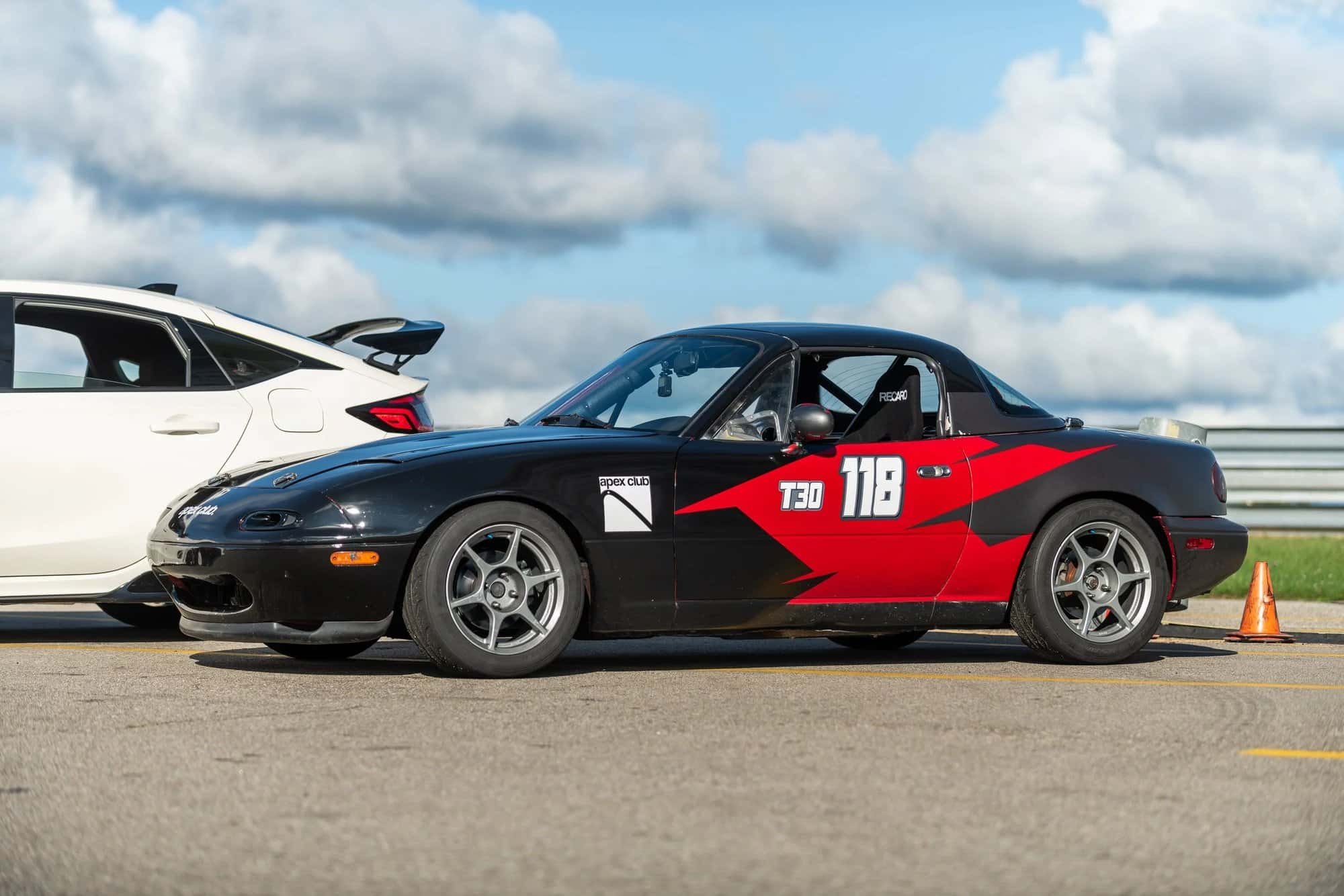
1994 Mazda Miata Track Car NA
Quote only /day
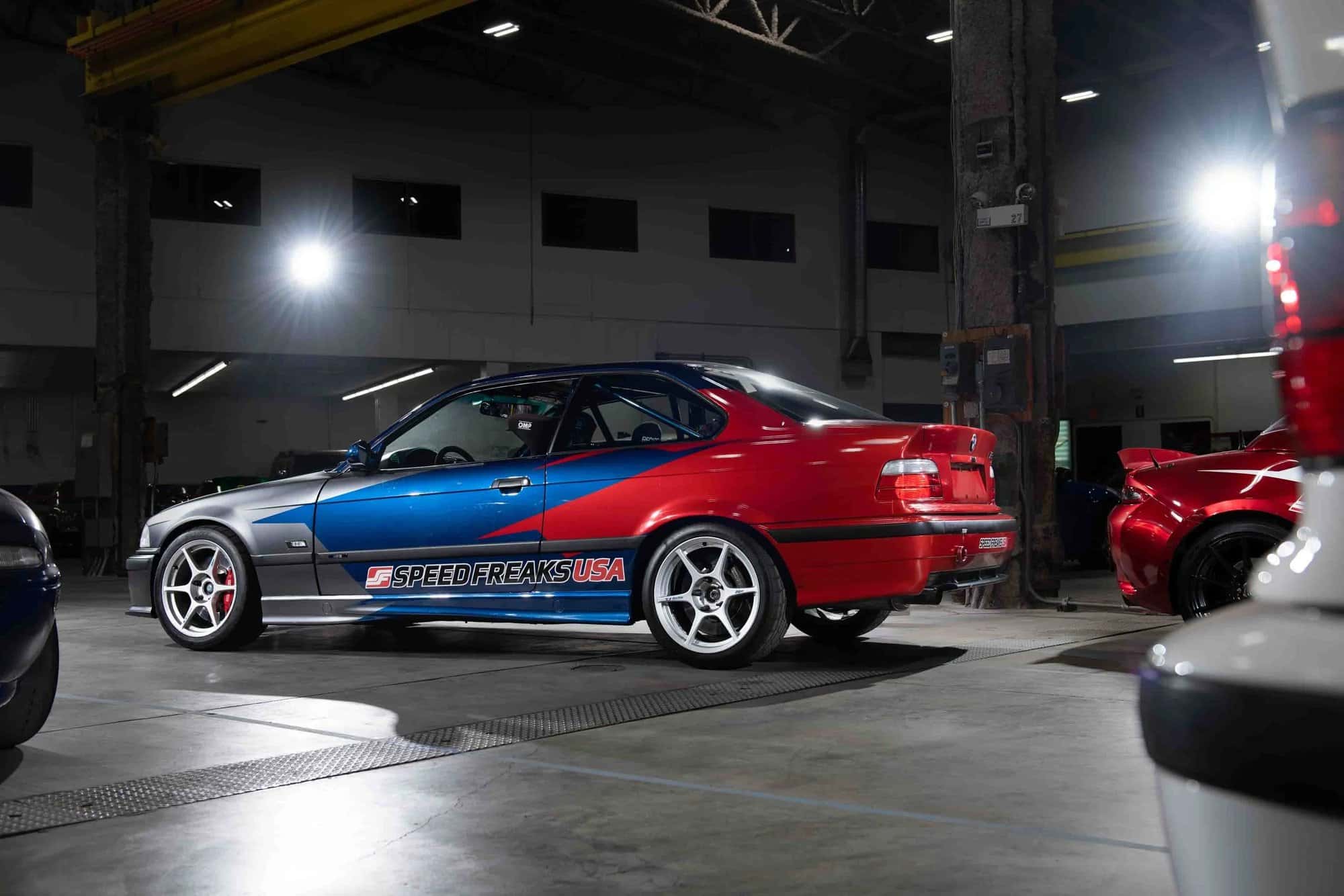
1997 BMW M3 Track Car E36
Quote only /day
2001 Mazda Miata Track Car NB2
Quote only /day
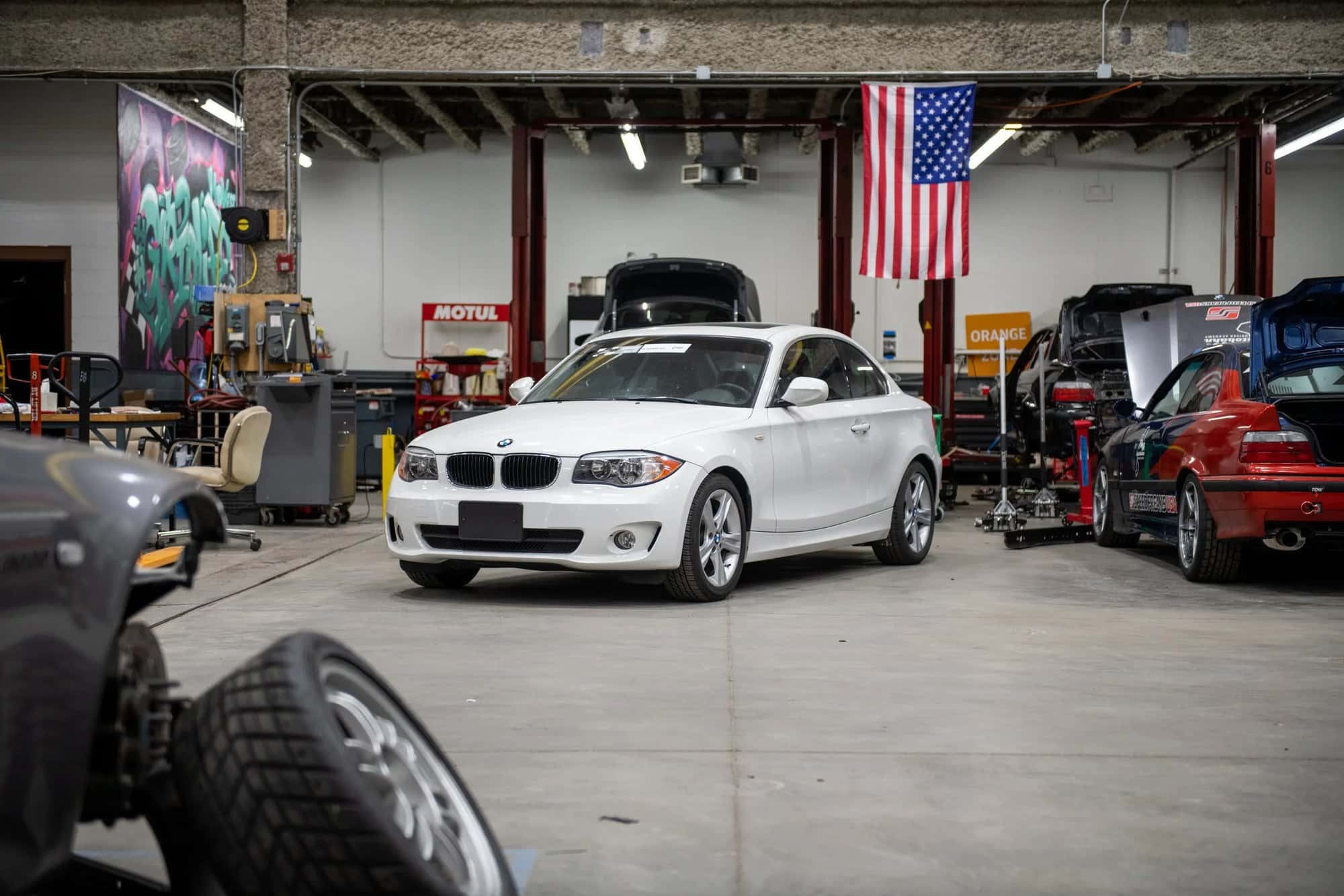
2012 BMW 128i Track Car E82
Quote only /day