
Virginia International Raceway (VIR) Complete Track Guide: Master America's Most Versatile Racing Circuit
By Hot Lap Rentals · 16 min read
Last updated: July 2025
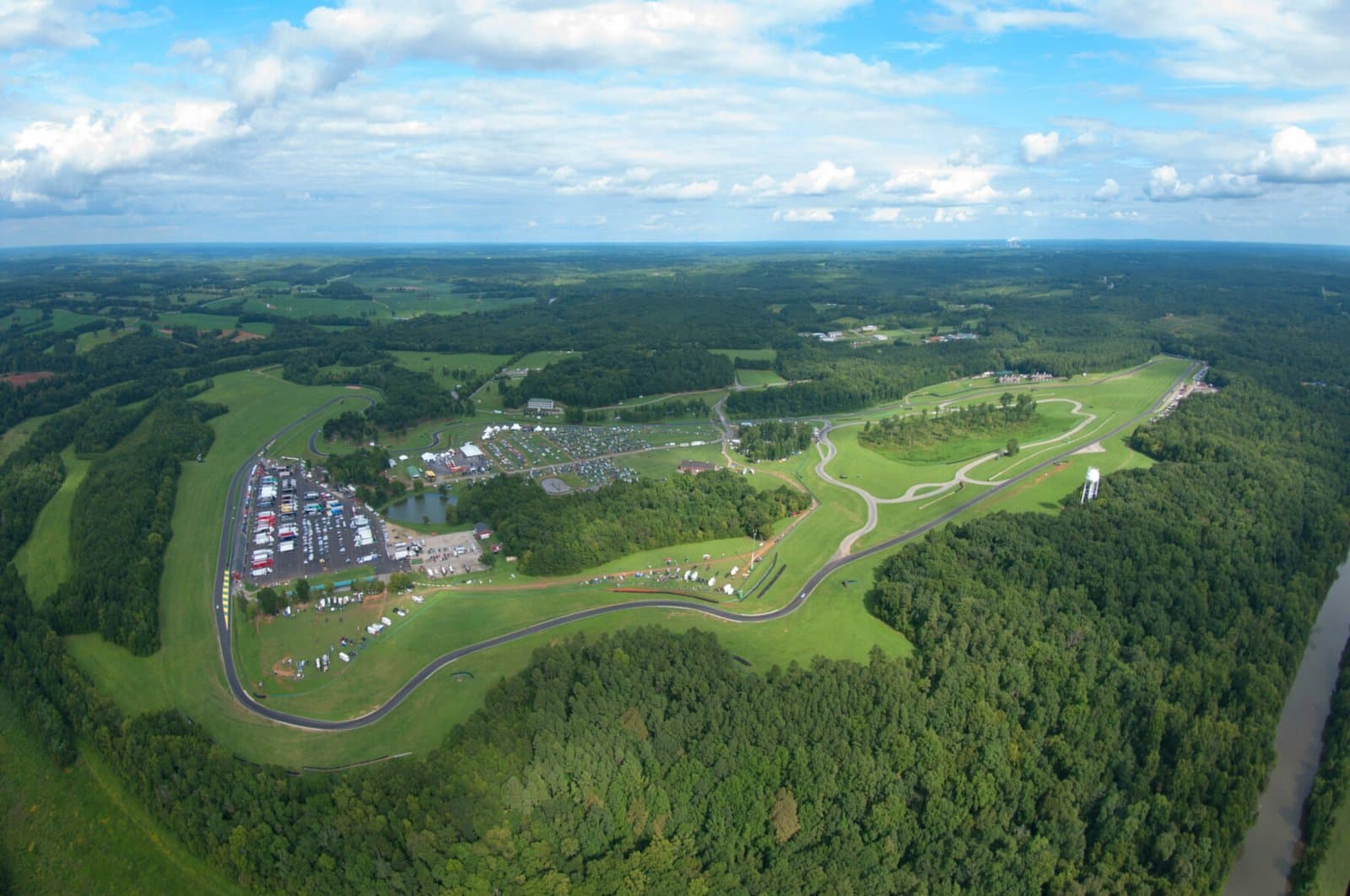
Virginia International Raceway stands as one of America's premier motorsports facilities, offering multiple track configurations in the scenic foothills of Virginia's Blue Ridge Mountains. Located in Alton, Virginia, VIR provides everything from beginner-friendly short courses to the challenging 3.27-mile Full Course that tests the world's best drivers. This comprehensive guide covers all of VIR's configurations and will help you make the most of your track day experience at this exceptional facility.
Track Overview and History
Virginia International Raceway opened in 1957 and quickly established itself as a driver's track - challenging, rewarding, and beautiful. After a period of closure, VIR was completely rebuilt in the early 2000s with modern safety standards while maintaining the flowing, natural character that made the original circuit legendary.
VIR's unique selling point is its multiple track configurations, allowing drivers to progress from short, beginner-friendly layouts to the full championship circuit. This makes VIR perfect for everything from first-time track day participants to professional racing series.
Key Statistics:
- Location: Alton, Virginia (southern Virginia near the North Carolina border)
- Elevation: 800+ feet above sea level in the Blue Ridge foothills
- Multiple configurations: 4 main layouts plus variants
- Direction: Clockwise on all configurations
- Surface: Smooth, high-grip asphalt with excellent drainage
- Facilities: World-class paddock, garages, hospitality areas
VIR Track Configurations
Understanding VIR's multiple layouts is key to choosing the right configuration for your experience level and goals.
VIR Full Course (3.27 miles) The ultimate VIR experience and home to major racing series including IMSA, NASCAR Xfinity, and various club racing championships.
- Length: 3.27 miles
- Turns: 17 numbered corners
- Difficulty: Advanced
- Elevation change: Significant throughout the circuit
- Character: Fast, flowing, technically demanding
- Best for: Experienced drivers seeking the ultimate challenge
VIR North Course (2.25 miles) A perfect intermediate stepping stone that includes many of the Full Course's signature corners.
- Length: 2.25 miles
- Turns: 10 major corners
- Difficulty: Intermediate to Advanced
- Character: High-speed with challenging elevation changes
- Best for: Drivers ready to step up from the South Course
VIR South Course (1.65 miles) The most popular configuration for HPDE events, offering great learning opportunities without overwhelming beginners.
- Length: 1.65 miles
- Turns: 8 major corners
- Difficulty: Beginner to Intermediate
- Character: Technical but forgiving, excellent for learning
- Best for: New track day participants and skill development
VIR Patriot Course (1.1 miles) The shortest configuration, perfect for first-time track drivers or slower cars.
- Length: 1.1 miles
- Turns: 6 corners
- Difficulty: Beginner
- Character: Simple layout focusing on basic techniques
- Best for: Absolute beginners and driving schools
VIR Full Course: Turn-by-Turn Guide
The Full Course represents VIR at its most challenging and rewarding. Here's a detailed breakdown:
Turn 1 - Climbing Right-Hander After the main straight, this uphill right turn sets the tone for VIR's elevation challenges.
Approach: Heavy braking from high speed, complicated by the uphill grade Apex: Late apex to maximize exit speed for the following section Exit: Use full track width while preparing for Turn 2 Key Challenge: The uphill grade affects braking performance and car balance
Turn 2 - The Quick Left A faster left-hand corner that flows naturally from Turn 1's exit.
Approach: Moderate speed with focus on smooth inputs Apex: Early to middle apex for good exit speed Exit: Track out right to set up the approach to Turn 3 Key Challenge: Maintaining momentum while transitioning directions
Turn 3 - Downhill Right with Commitment This corner begins VIR's signature downhill section and requires commitment to be fast.
Approach: High-speed entry with minimal braking Apex: Early apex allows for maximum exit speed downhill Exit: Use all available track as you dive toward Turn 4 Key Challenge: The downhill exit can upset car balance if not smooth
Turn 4 - The Diving Left-Hander A dramatic left turn taken while plunging downhill - one of VIR's signature corners.
Approach: Carrying significant speed from Turn 3's exit Apex: Middle to late apex, focusing on exit for the following straight Exit: Full track width available for the run to Turn 5 Key Challenge: Managing car balance while diving downhill at speed
Turn 5 - The Hairpin VIR's slowest corner, a tight hairpin that requires patience and precision.
Approach: Heavy braking from the previous straight section Apex: Very late apex to maximize exit speed onto the back straight Exit: Critical to get good exit speed for the long straight that follows Key Challenge: Patience is required - rushing this corner costs significant time
Turns 6-7 - The Esses A flowing sequence that rewards rhythm and smoothness over individual corner perfection.
Approach: High-speed entry after the back straight Apex: Focus on linking the corners together smoothly Exit: Position for Turn 8's approach while maintaining momentum Key Challenge: Looking ahead and maintaining flow through the sequence
Turn 8 - The Climbing Right An uphill right-hander that tests your ability to maintain speed while gaining elevation.
Approach: Carrying speed from the esses while beginning to climb Apex: Early to middle apex helps with the uphill exit Exit: Use the climbing grade to help with traction on exit Key Challenge: Maintaining momentum while working against gravity
Turns 9-10 - The Ridge Section These corners run along VIR's elevated ridge line with spectacular views and challenging driving.
Approach: Moderate speeds with focus on precision and car placement Apex: Varies by specific corner but smoothness is key Exit: Setting up for the descent back toward the main circuit Key Challenge: Elevation changes affect both car balance and vision
Turns 11-12 - The Descent Begins Starting the dramatic descent back toward the main circuit area.
Approach: Managing speed while beginning the downhill section Apex: Late apex lines generally work best for exit speed Exit: Preparing for more significant elevation drops ahead Key Challenge: Anticipating the major elevation changes to come
Turn 13 - The Plunge One of VIR's most dramatic corners, combining high speed with major elevation drop.
Approach: High-speed entry while diving significantly downhill Apex: Late apex to control the downhill exit Exit: Full track width needed to manage the elevation change Key Challenge: The combination of speed and elevation change challenges car and driver
Turns 14-15 - The Valley Floor These corners run along the bottom of VIR's elevation changes.
Approach: Recovering from the previous elevation drop Apex: Focus on smooth inputs and maintaining momentum Exit: Building speed for the climb back up Key Challenge: Transitioning from downhill to uphill sections smoothly
Turn 16 - The Climbing Challenge Beginning the climb back toward the start/finish area.
Approach: Building speed while starting to gain elevation Apex: Early apex helps with the uphill exit Exit: Use the climbing grade for traction while preparing for Turn 17 Key Challenge: Maintaining speed while working against gravity
Turn 17 - The Final Turn The last corner before the main straight, critical for lap times and overtaking opportunities.
Approach: Balancing corner speed with straight-line speed potential Apex: Late apex maximizes exit speed onto the main straight Exit: Use every inch of track for maximum straight-line acceleration Key Challenge: Getting the exit right affects your entire next lap
VIR South Course: The Learning Circuit
The South Course uses portions of the Full Course but in a configuration perfect for developing skills.
Key Corners of the South Course:
The Entry Complex (Turns 1-2) Using the Full Course's first two corners, this sequence teaches elevation management and direction changes.
The Technical Section Mid-course corners that emphasize precision and car control without overwhelming speeds.
The Hairpin (Turn 5) Same as the Full Course hairpin, teaching patience and exit speed optimization.
The Flowing Section High-speed corners that build confidence and teach smooth inputs.
Track Characteristics and Unique Features
VIR's character comes from several distinctive elements that make it special among American racing circuits.
Elevation Changes VIR's location in the Blue Ridge foothills creates dramatic elevation changes throughout all configurations:
- Over 200 feet of elevation change on the Full Course
- Significant uphill and downhill sections affect car performance
- Elevation changes create unique passing opportunities
- Different corners require different techniques based on elevation
Natural Terrain Integration Unlike many modern tracks, VIR works with the natural landscape:
- Corners follow natural ridgelines and valleys
- Minimal artificial earthwork preserves the natural character
- Scenery enhances the driving experience
- Track layout feels organic rather than manufactured
Multiple Configuration Benefits The various track layouts offer unique advantages:
- Progression path from beginner to expert
- Different configurations suit different car types
- Multiple events can run simultaneously
- Variety keeps the experience fresh for regular visitors
Weather Resilience VIR's elevation and location create excellent drainage:
- Track dries quickly after rain
- Good grip levels in various weather conditions
- Elevation helps with air circulation and cooling
- Less prone to fog than lower-elevation tracks
Car Setup and Preparation for VIR
VIR's varied demands require thoughtful car preparation across all configurations.
Suspension Considerations The elevation changes and varied corner types need balanced suspension:
- Medium stiffness works well for most configurations
- Adjustable dampers allow fine-tuning for different layouts
- Proper alignment critical for tire wear on longer configurations
- Consider ride height for clearance on elevation changes
Brake System Requirements VIR is moderately demanding on brakes, especially on longer configurations:
- High-performance pads recommended for Full Course
- Fresh brake fluid essential for longer sessions
- Monitor brake temperatures during extended track time
- Brake cooling helpful for intensive use
Engine and Powertrain VIR rewards good power delivery and reliability:
- Smooth power delivery helps with elevation changes
- Cooling system must handle extended high-speed operation
- Transmission should be in excellent condition for longer configurations
- Fresh fluids throughout for reliability
Aerodynamic Considerations Higher-speed sections make aerodynamics more important:
- Balanced downforce helps with longer, faster corners
- Drag reduction beneficial for straight sections
- Splitters and wings more effective than at slower tracks
- Consider configuration-specific setup changes
Safety Considerations at VIR
VIR's excellent safety record reflects both good track design and proper preparation.
Track-Specific Safety Features
- Extensive runoff areas in most locations
- SAFER barriers in key impact zones
- Multiple corner worker stations with good communication
- Medical facilities on-site with helicopter access
- Advanced track surface with excellent grip and drainage
Configuration-Specific Risks Full Course:
- High speeds require extra attention to car preparation
- Elevation changes can catch inexperienced drivers off-guard
- Longer track means more opportunity for mechanical issues
South Course:
- Generally very safe for beginners
- Good runoff areas and forgiving corner designs
- Lower speeds reduce consequence of mistakes
Safety Equipment Requirements
- SA-rated helmet (2015 or newer recommended)
- Proper racing attire for all configurations
- Fire extinguisher recommended for longer configurations
- Communication equipment for some organized events
Track Day Organizations at VIR
VIR hosts numerous organizations, each offering different experiences and approaches.
JZilla Track Days JZilla regularly hosts events at VIR, bringing their signature welcoming atmosphere:
- Beginner-friendly approach perfect for VIR's learning environment
- Events typically use South Course for beginners, North or Full Course for advanced
- 2:1 student-to-instructor ratio ensures personalized attention
- Community-focused events that emphasize learning and safety
- Many Hot Lap Rentals car owners participate in JZilla's VIR events
SCCA (Sports Car Club of America) Multiple SCCA regions host events at VIR:
- Structured programs with clear skill progression
- Events on various configurations based on group experience
- Strong emphasis on safety and proper instruction
- Time trial and competitive events available
- Excellent instructor development programs
NASA (National Auto Sport Association) NASA Southeast regularly uses VIR for both HPDE and racing:
- Relaxed atmosphere with quality instruction
- Multiple configurations used based on event type
- Time trial competitions for those seeking wheel-to-wheel progression
- Technical inspection focused on safety
- Growing community of regular participants
Porsche Club of America Despite the name, PCA events welcome all makes:
- High-quality instruction and safety standards
- Multiple run groups accommodating all skill levels
- Events typically use South Course for beginners, longer configurations for advanced
- Strong emphasis on car preparation and safety
- Excellent facilities and organization
BMW Car Club of America BMW CCA chapters regularly host events at VIR:
- Open to all makes despite the BMW focus
- Strong instructor development and training programs
- Events on various configurations
- Emphasis on driving development and safety
- Active community with regular participants
Track Car Rental Options at VIR
VIR's multiple configurations and active track day scene create excellent rental opportunities.
Hot Lap Rentals Community at VIR The Hot Lap Rentals platform connects you with passionate car owners who know VIR intimately:
- Direct access to owners with extensive VIR experience
- Cars setup specifically for VIR's unique challenges
- Local knowledge about which configuration suits your experience level
- Community of enthusiasts who share your passion for the track
- No corporate markup - work directly with car owners
Popular VIR Rental Categories
Beginner-Friendly (South/Patriot Course):
- Mazda Miata (all generations) - perfect for learning VIR's characteristics
- Toyota 86/Subaru BRZ - modern safety with predictable handling
- BMW E36 - rear-wheel drive education platform
Intermediate Performance (South/North Course):
- BMW E46 M3 - excellent balance for VIR's varied demands
- Porsche Boxster/Cayman - mid-engine precision for technical sections
- Honda S2000 - high-revving character suits VIR's flowing corners
Advanced/Expert (Full Course):
- Porsche 911 - the ultimate VIR experience across all configurations
- BMW M3/M4 - modern performance for the Full Course challenge
- Purpose-built race cars - experience VIR as the pros do
Configuration-Specific Recommendations:
- Patriot Course: Any well-maintained car works well
- South Course: Focus on handling and brakes over power
- North Course: Balanced performance becomes more important
- Full Course: Serious performance cars show their advantage
Seasonal Considerations and Weather
Virginia's climate creates distinct seasons that affect track conditions and experience.
Spring (March-May) Pros: Mild temperatures, beautiful scenery, excellent grip Cons: Variable weather, potential for late-season cold snaps Track Conditions: Generally excellent with optimal temperatures Clothing: Layers recommended for changing conditions
Summer (June-August) Pros: Warm temperatures, long days, consistent weather Cons: Heat and humidity, afternoon thunderstorms possible Track Conditions: Good grip, though very hot pavement possible Clothing: Light colors, moisture-wicking materials, hydration focus
Fall (September-November) Pros: Perfect temperatures, stunning fall foliage, stable weather Cons: Popular season means higher demand and costs Track Conditions: Ideal for both car and driver performance Clothing: Perfect conditions for standard track day gear
Winter (December-February) Pros: Lower costs, fewer crowds, occasional mild days Cons: Cold temperatures, potential for weather cancellations Track Conditions: Cold track requires longer warm-up periods Clothing: Multiple layers, preparation for temperature swings
Lodging and Local Information
VIR's location in southern Virginia provides several accommodation and dining options.
Nearby Accommodations
- Hampton Inn Danville (30 minutes) - clean, reliable chain hotel
- Holiday Inn Express South Boston (25 minutes) - convenient location
- Bed & Breakfasts in the area - charming local options
- Camping available at VIR for multi-day events
- Private homes and vacation rentals in the area
Dining Options
- VIR's on-site concessions for quick meals during events
- Local restaurants in Danville and South Boston
- Barbecue and Southern cuisine specialties in the area
- Many track day groups organize communal dinners
Local Services
- Gas stations within 15 minutes of the track
- Auto parts stores in Danville for emergency needs
- Medical facilities in Danville (30 minutes)
- Car washes available for post-track cleanup
Advanced Driving Techniques for VIR
Once comfortable with VIR's basics, advanced techniques can significantly improve your experience.
Managing Elevation Changes
- Learn to anticipate how elevation affects car balance
- Use uphill sections to aid acceleration traction
- Understand how downhill sections affect braking
- Practice smooth inputs through crests and valleys
Multi-Configuration Mastery
- Learn how skills transfer between different layouts
- Understand which techniques work best for each configuration
- Practice adapting your driving style to different track lengths
- Use shorter configurations to perfect techniques for longer ones
High-Speed Corner Techniques VIR's longer, faster corners require specific skills:
- Develop comfort with sustained high-speed cornering
- Learn to read the car's behavior in long corners
- Practice maintaining vision through extended turns
- Build physical fitness for longer track sessions
Data Analysis and Improvement Many VIR rental cars include data logging:
- Compare your performance across different configurations
- Identify areas for improvement on each layout
- Use data to understand elevation effects on performance
- Work with instructors to interpret and apply data insights
Lap Time Benchmarks by Configuration
Understanding realistic performance targets helps set appropriate goals.
VIR South Course (1.65 miles):
Beginner Targets:
- Mazda Miata: 1:20-1:25
- Toyota 86/BRZ: 1:18-1:23
- BMW 328i: 1:16-1:21
Intermediate Targets:
- BMW E46 M3: 1:10-1:15
- Porsche Boxster S: 1:12-1:17
- Honda S2000: 1:13-1:18
Advanced Targets:
- Porsche 911 GT3: 1:05-1:10
- BMW M4: 1:08-1:13
- Race-prepared cars: 1:00-1:05
VIR Full Course (3.27 miles):
Intermediate Targets:
- BMW E46 M3: 2:15-2:25
- Porsche Boxster S: 2:20-2:30
- Honda S2000: 2:18-2:28
Advanced Targets:
- Porsche 911 GT3: 2:00-2:10
- BMW M4: 2:05-2:15
- Corvette Z06: 2:02-2:12
Professional/Race Times:
- IMSA GTD cars: 1:42-1:45
- NASCAR Xfinity cars: 1:40-1:43
- Formula cars: 1:35-1:40
Remember: Consistency and safety are more important than ultimate lap times. Focus on smooth, repeatable laps rather than one-off quick times.
Insurance and Financial Planning
VIR's excellent safety record and multiple configurations affect insurance and budgeting considerations.
Track Day Insurance for VIR
- Hagerty offers comprehensive HPDE coverage suitable for all VIR configurations
- Traction Insurance provides expert guidance for VIR-specific coverage needs
- Consider higher coverage limits for Full Course events
- South Course events may qualify for lower premium rates due to reduced speeds
Rental vs. Ownership Economics at VIR Rental Advantages:
- Try different cars on different configurations
- No maintenance costs after demanding Full Course sessions
- Access to cars specifically setup for VIR's challenges
- Learn from owners with extensive VIR experience
Ownership Advantages:
- Consistent setup and familiarity across configurations
- Ability to optimize car for specific VIR layouts
- Lower per-event costs for frequent VIR visitors
- Personal satisfaction of mastering VIR in your own car
Getting Started at VIR
Ready to experience Virginia International Raceway? Here's your action plan:
Choose Your Configuration
- Patriot or South Course for absolute beginners
- South or North Course for intermediate drivers
- North or Full Course for advanced drivers
- Full Course for the ultimate VIR experience
Select Your Organization
- JZilla Track Days for the most welcoming, beginner-friendly atmosphere
- SCCA for structured learning and progression
- NASA for relaxed environment with competitive opportunities
- PCA or BMW CCA for high-quality instruction (open to all makes)
Consider a Rental Car
- Browse Hot Lap Rentals for VIR-experienced owners
- Match car choice to your chosen configuration
- Connect with owners who can provide configuration-specific advice
- Arrange proper insurance coverage for your chosen configuration
Plan Your Visit
- Book accommodation early, especially during fall foliage season
- Check weather forecasts and pack appropriately
- Plan extra time to explore VIR's beautiful facility
- Consider staying for multiple days to experience different configurations
Conclusion
Virginia International Raceway represents the perfect blend of challenge, beauty, and accessibility in American motorsports. Its multiple configurations allow every driver to find their appropriate level while working toward the ultimate goal of mastering the legendary Full Course.
VIR's combination of natural terrain, excellent facilities, and active community makes it a bucket-list destination for any track day enthusiast. The progression from Patriot Course through South, North, and ultimately Full Course provides a clear development path that can take years to fully explore and master.
Whether you're taking your first tentative laps on the beginner-friendly South Course or pushing the limits on the challenging Full Course, VIR rewards preparation, patience, and respect for its unique character. The track's forgiving nature for beginners and ultimate challenge for experts create an environment where every driver can improve and enjoy the experience.
Most importantly, VIR's community of passionate enthusiasts, excellent organizations like JZilla Track Days, and the growing peer-to-peer rental market through platforms like Hot Lap Rentals make it easier than ever to experience this world-class facility. With proper preparation, appropriate insurance coverage from providers like Hagerty or Traction Insurance, and realistic expectations, VIR offers some of the most rewarding track day experiences available anywhere.
Ready to experience VIR? Connect with local car owners and track day veterans through Hot Lap Rentals, and discover why Virginia International Raceway has earned its place among America's premier racing circuits.
In the directory
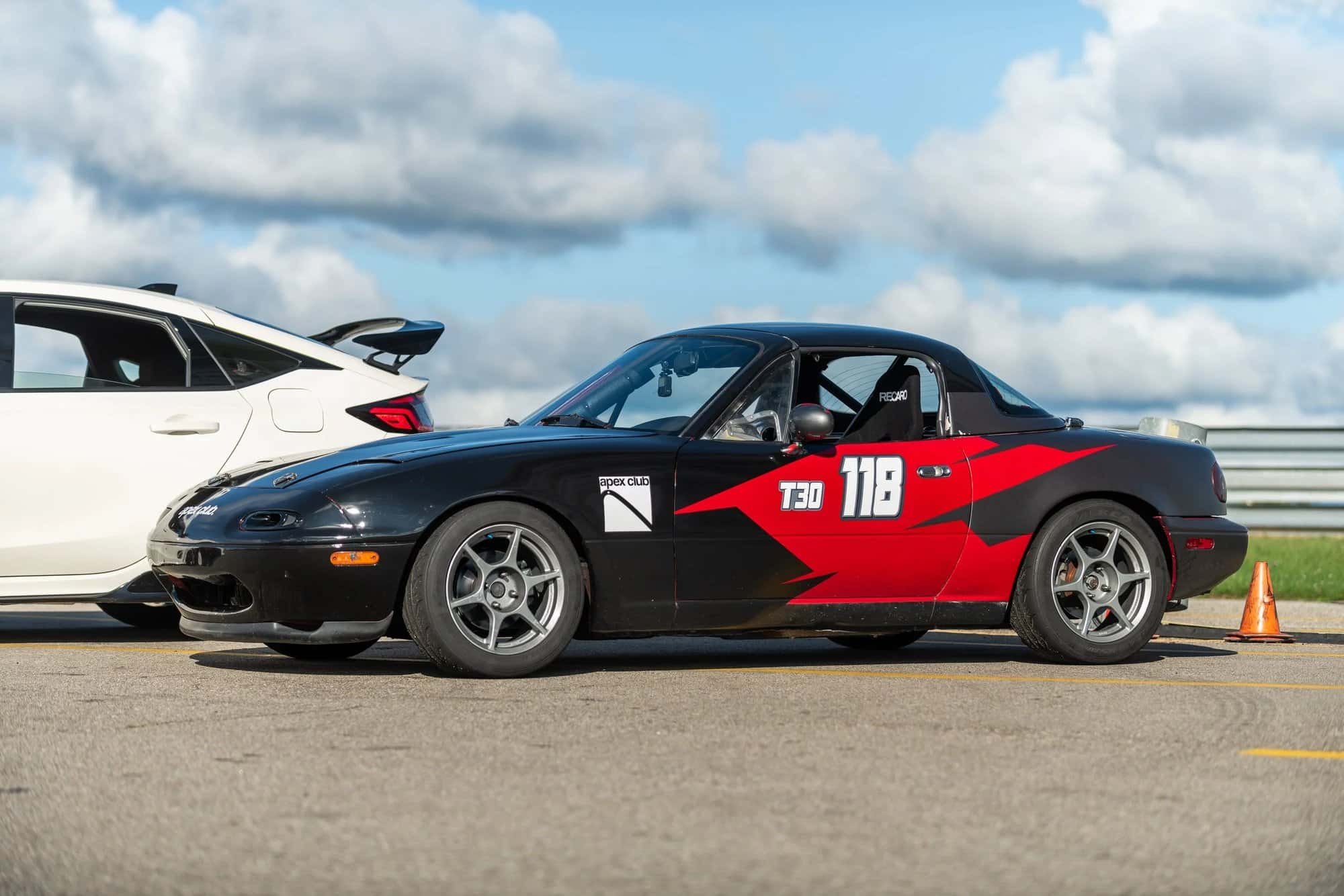
1994 Mazda Miata Track Car NA
Quote only /day
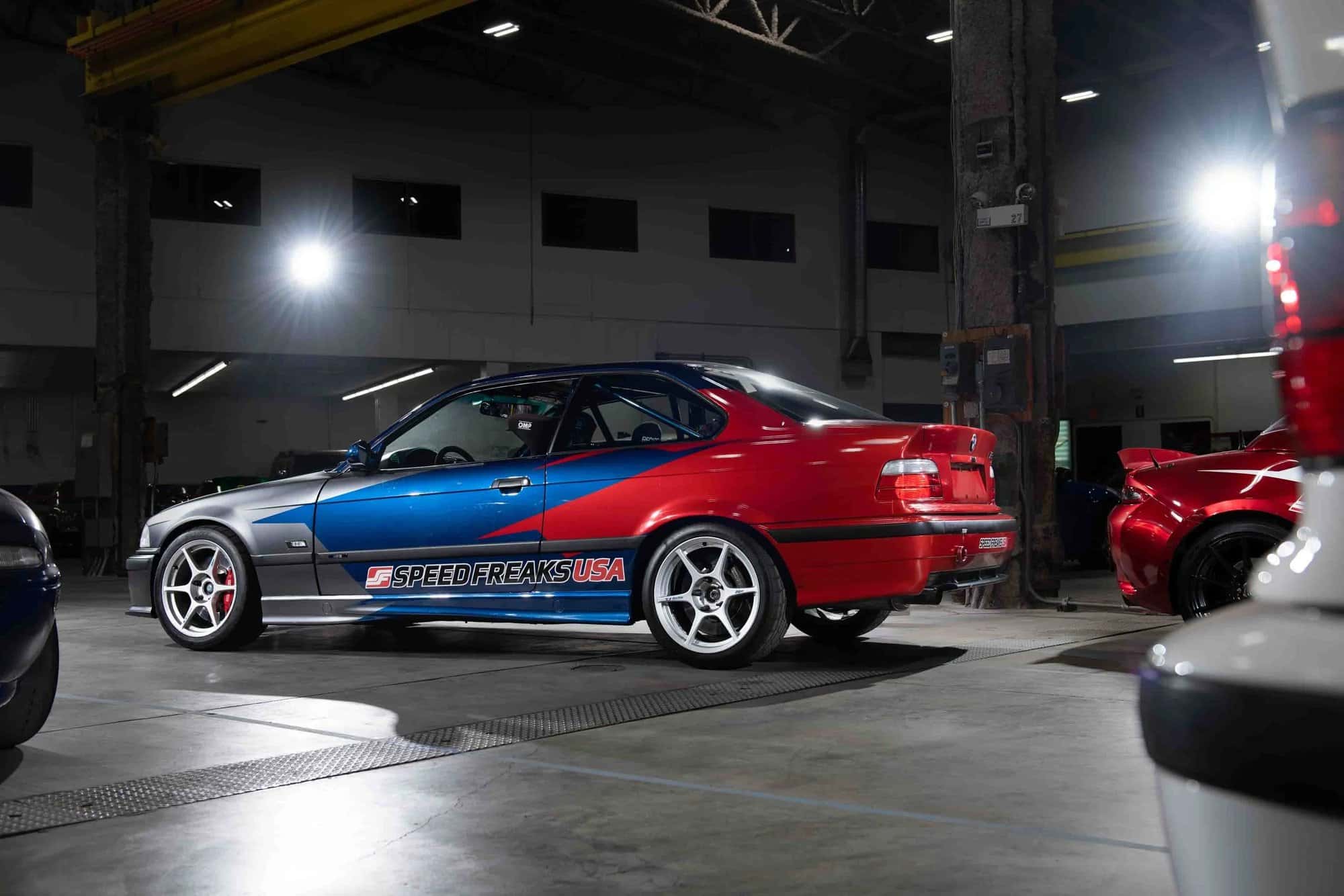
1997 BMW M3 Track Car E36
Quote only /day
2001 Mazda Miata Track Car NB2
Quote only /day
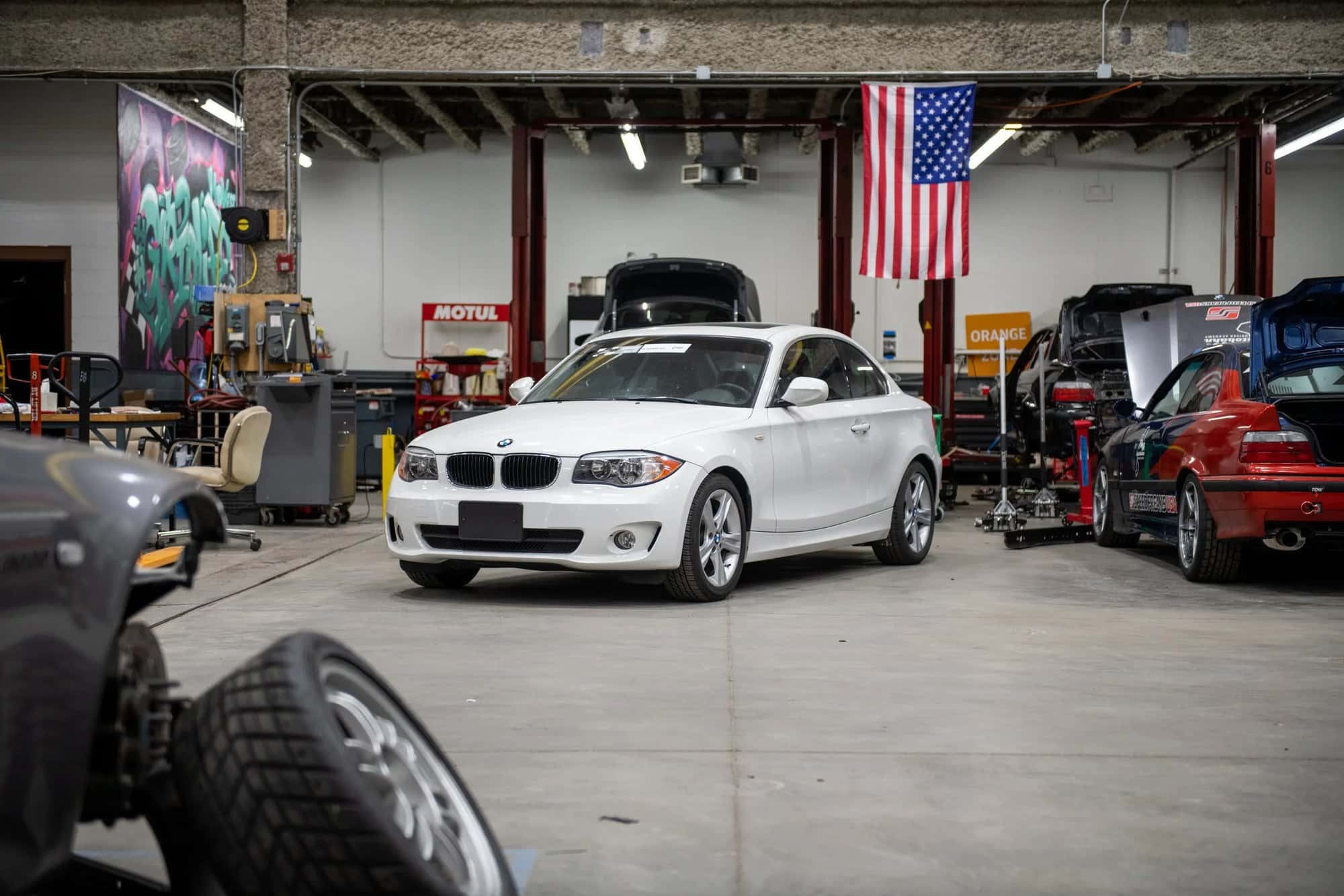
2012 BMW 128i Track Car E82
Quote only /day
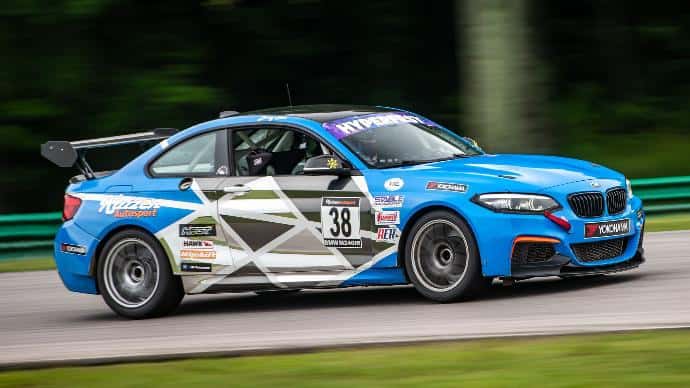
2022 BMW M240i Racing
$3,600/day$6,000 / weekend