
Track Day Guides
HPDE vs. Track Day vs. Autocross vs. Time Trial: What's the Difference?
By Hot Lap Rentals · 11 min read
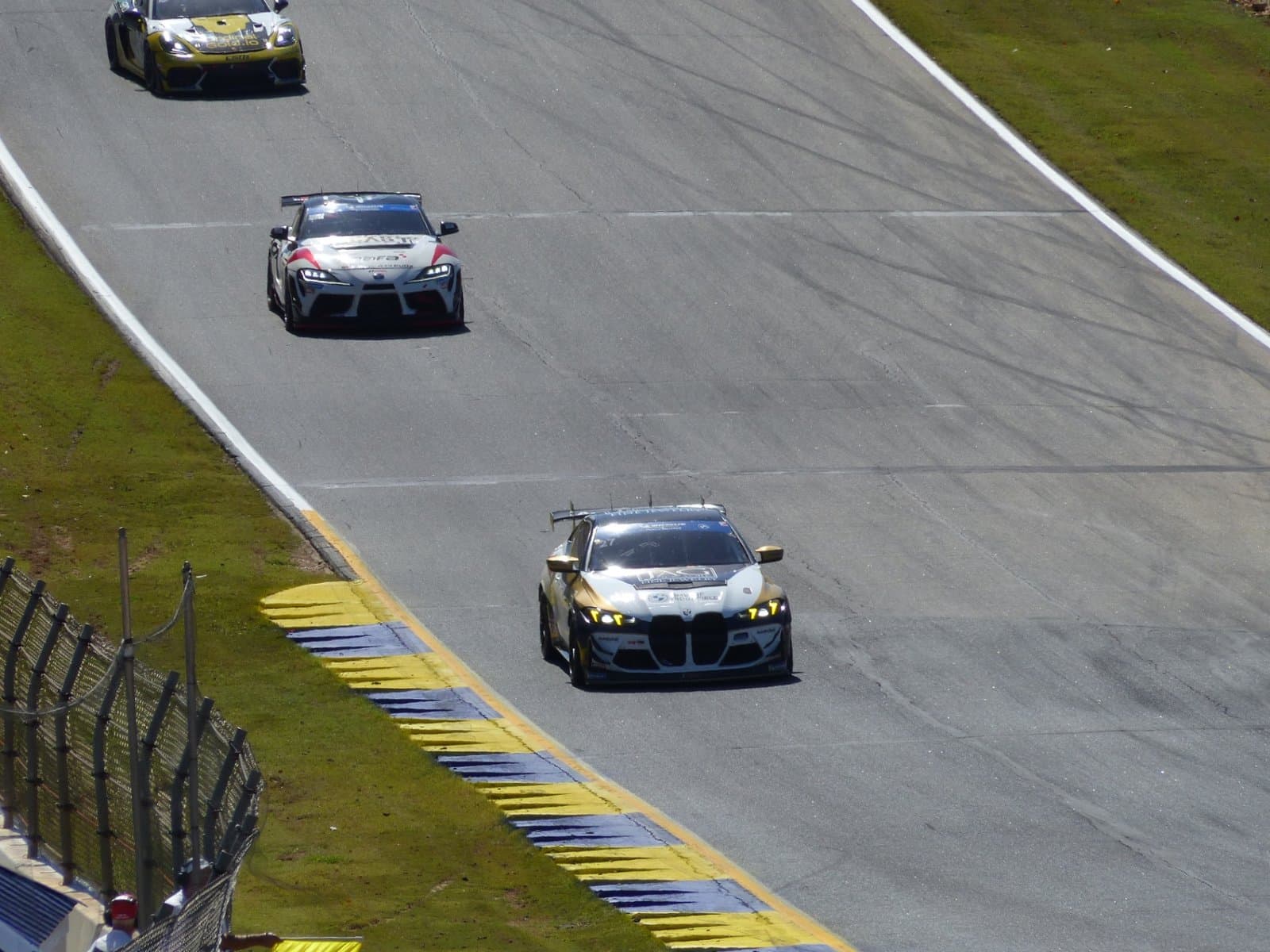
If you have spent any time looking into motorsport events, you have probably run into a wall of acronyms and overlapping terms. HPDE, track day, autocross, time trial — they all involve driving a car fast, but they are meaningfully different experiences with different costs, requirements, and skill levels.
This guide breaks down each format so you know exactly what you are signing up for and which one makes sense for where you are right now.
What Is HPDE?
HPDE stands for High Performance Driving Education. The emphasis is on education — this is a structured driving school held on a real racetrack, and the primary goal is teaching you how to drive at speed safely and effectively.
Who Runs HPDEs?
Major sanctioning bodies include NASA (National Auto Sport Association), SCCA (Sports Car Club of America), and PCA (Porsche Club of America). Independent organizations also run HPDEs, and many tracks host their own programs. Each organization has slightly different formats, but the core structure is consistent.
How an HPDE Day Works
Most HPDEs divide participants into run groups based on experience:
- Group 1 (Novice): First-timers and early-stage drivers. You will be assigned an in-car instructor who rides with you for every session, coaching you in real time on line, braking points, and car control.
- Group 2 (Intermediate): You have been to a few events and can hold a consistent line. Instructors may ride along for some sessions or provide feedback from the paddock.
- Group 3 (Advanced): Experienced drivers who have been signed off by instructors. You drive solo and may be eligible for passing in more zones.
- Group 4 (Instructor/Expert): Open passing, high pace. Some organizations fold this into their time trial or racing programs.
A typical day starts with a mandatory drivers meeting covering flag rules, passing procedures, and track-specific notes. Then run groups rotate through 20- to 30-minute sessions throughout the day, usually getting four to five sessions each. Between sessions, there are often classroom segments covering topics like weight transfer, vision techniques, and the racing line.
Key Characteristics of HPDE
- Not competitive. Most HPDEs do not time your laps. The focus is on learning, not lap records.
- Instruction is built in. Beginners get an in-car instructor at no extra charge (it is included in the entry fee).
- Your car needs a tech inspection. Expect requirements for brake pad thickness, secure battery, no fluid leaks, and a helmet rated Snell SA2015 or newer.
- Cost: Typically $200–$450 per day depending on the track and organization.
HPDE is designed from the ground up for people who have never been on a racetrack. If you are serious about learning proper driving technique, this is where to start. For a full breakdown of what to bring and how to prepare, check out our first track day guide.
What Is an Open Track Day?
An open track day puts you on a real circuit with less structure than an HPDE. Think of it as renting the track with a group of other drivers. There are still safety rules and run groups, but the emphasis shifts from education to seat time.
Who Runs Open Track Days?
Popular organizations include Chin Track Days, GridLife, and Track Day Xperience (TDX). Many tracks also host their own open lapping days. Some rental car experience companies offer "supercar track experiences" that fall into this category, though those are a different animal entirely.
What a Typical Open Track Day Looks Like
You will still have a morning drivers meeting and run groups divided by speed and experience. Sessions run 20 to 30 minutes, and you might get five or six sessions across the day. The key differences from HPDE:
- Instruction is optional. Some organizations offer it as an add-on. Others do not offer it at all.
- Less classroom time. You are there to drive, not to sit through lectures.
- More relaxed passing rules. Intermediate and advanced groups often allow point-by passing on either side.
- Wider range of participants. You will see everything from stock Civic Si builds to full-cage Corvettes.
Key Characteristics of Open Track Days
- Semi-structured. Rules exist for safety, but there is less hand-holding than HPDE.
- Car requirements vary. Some organizations accept nearly any car that passes tech. Others have stricter requirements for faster run groups.
- Cost: $150–$400 per day. Prices are lower than some HPDEs because you are not paying for instructor time.
- Good for experienced drivers who already have the fundamentals and want to log laps without the classroom components.
Open track days are ideal if you have done a few HPDEs and want more seat time with less structure. If you are completely new, an HPDE is a better first step because the built-in instruction will make you faster (and safer) much more quickly.
What Is Autocross?
Autocross is the most accessible entry point in motorsport. You drive a cone course laid out in a parking lot, one car at a time, at speeds that rarely exceed 60 mph. It sounds simple, and the format is — but driving it well is surprisingly technical.
How Autocross Works
A local SCCA chapter (or similar club) sets up a course using traffic cones in a large parking lot. Each driver gets three to five timed runs, each lasting 30 to 90 seconds. Your time is adjusted for cone penalties — two seconds added for each cone you knock over. Lowest time wins your class.
The day typically looks like this:
- Registration and tech inspection. Show up, sign the waiver, pop your hood for a quick safety check.
- Course walk. Everyone walks the course on foot before driving to learn the layout.
- Work assignment. When you are not driving, you are resetting cones or working timing. Everyone shares the duties.
- Driving runs. Your group drives while the other group works the course, then you swap.
Key Characteristics of Autocross
- Any car works. Minivans, sedans, sports cars — as long as it passes a basic tech inspection, you can run it. Cars are divided into classes so you compete against similar vehicles.
- Very low risk. Speeds are low, and the only thing you can hit is a cone. This makes it the safest form of motorsport.
- Cheap. Entry fees run $30–$60 per event. You do not need special tires, a roll bar, or a racing harness.
- Competitive from day one. Your runs are timed and ranked, so there is a built-in competitive element even at your first event.
- Great for car control. Autocross teaches throttle modulation, weight transfer, and precise steering inputs at speeds where mistakes are harmless.
The downside of autocross is limited seat time. You might drive a total of five minutes over a six-hour day. If you want extended time behind the wheel, track events are a better fit. But for learning fundamentals cheaply and safely, autocross is hard to beat.
What Is a Time Trial?
Time trial is competitive timed lapping on a full-size racetrack. You are driving against the clock rather than door-to-door against other cars, but it is a genuine competitive format with class structures, rules, and standings.
How Time Trials Work
Time trials are organized by groups like NASA (their Time Trial program is one of the most popular), SCCA Track Trials, and various regional organizations. The format varies, but typically:
- Qualifying or practice sessions let you learn the track and dial in your setup.
- Timed sessions are where your official lap times are recorded. Your best lap (or best average of a set number of laps) determines your finishing position.
- Cars are classed by performance level — modifications, power-to-weight ratio, and tire type all factor into your classification.
Key Characteristics of Time Trials
- Competitive. This is racing against the clock with formal results, class standings, and often season championships.
- Requires experience. Most organizations require you to have completed a certain number of HPDEs or hold a specific license level before entering.
- Car preparation matters. While you can run a stock car in a street class, competitors in faster classes have purpose-built machines with cages, slick tires, and significant modifications.
- Cost: $250–$500+ per event, depending on the organization and track. Add in the cost of consumables (tires, brakes, fuel) and it adds up fast.
- A stepping stone to racing. Many drivers use time trial as preparation for wheel-to-wheel racing because it teaches you to extract maximum performance without the added variable of side-by-side competition.
Time trial is the natural next step after you have outgrown HPDE and want to push harder with a formal competitive framework. For guidance on choosing a car for this level, see our guide on choosing the right track car.
Comparison Table
| HPDE | Open Track Day | Autocross | Time Trial | |
|---|---|---|---|---|
| Format | Structured driving school | Open lapping sessions | Timed cone course runs | Competitive timed laps |
| Location | Real racetrack | Real racetrack | Parking lot or airstrip | Real racetrack |
| Typical Speeds | 60–150+ mph | 60–160+ mph | 20–60 mph | 80–160+ mph |
| Car Requirements | Tech inspection, helmet | Tech inspection, helmet | Basic tech inspection | Stricter tech, class rules |
| Cost Per Event | $200–$450 | $150–$400 | $30–$60 | $250–$500+ |
| Experience Needed | None | Some recommended | None | HPDE sign-off or license |
| Instruction Included | Yes (in-car for beginners) | Optional or none | Informal tips from veterans | No |
| Competitive | No | No | Yes (timed) | Yes (timed, classed) |
| Best For | Learning proper technique | Logging seat time | First motorsport experience | Competitive drivers |
Which One Should You Start With?
Your starting point depends on your experience and what you want out of the experience.
If you have never done any motorsport event:
Start with autocross or HPDE. Autocross is cheaper and lower commitment — show up on a Saturday morning with your daily driver and see if you enjoy pushing a car. HPDE costs more but gives you proper instruction on a real track. Both are designed for complete beginners.
If you have a beginner-friendly track car or want to rent one, HPDE is the best use of your money because the instruction will accelerate your development dramatically.
If you have done a few autocross events and want more:
Sign up for an HPDE. The skills you built in autocross — car control, reading grip levels, smooth inputs — will translate directly. You will likely progress through the beginner group quickly.
If you have HPDE experience and want more seat time:
Move to open track days. You already know the fundamentals, and you do not need an instructor riding along. Open track days give you more lapping time with less structure.
If you want to compete:
Time trial is the logical step. It gives you a competitive framework and teaches you to extract peak performance under pressure. Many drivers treat time trial as the gateway to wheel-to-wheel racing. If that is your goal, time trial lets you build speed and consistency on track before adding the complexity of racing inches from another car.
Common Misconceptions
"Track days are dangerous"
A well-organized track day at a reputable facility is significantly safer than spirited driving on public roads. Tracks have runoff areas, safety workers, and strict rules about passing and conduct. There are no oncoming cars, no pedestrians, no intersections, and no speed traps. That said, safety equipment matters — read our safety equipment and rules guide before your first event.
"You need a fast car"
The Mazda Miata is the single most common car at HPDEs and track days across the country. It weighs 2,300 pounds, makes about 150 horsepower, and is an absolute blast on track because it teaches you to carry momentum through corners. A slow car driven well is more fun (and more educational) than a fast car driven poorly. Check out our beginner track car guide for more options.
"It's only for experts"
HPDE exists specifically for people with zero track experience. Autocross exists specifically for people who have never done any motorsport. These formats were built for beginners. You do not need to "get good" before showing up — showing up is how you get good.
"Autocross isn't real racing"
Tell that to the SCCA national champions who have been refining their technique for decades. Autocross requires extreme precision, rapid decision-making, and excellent car control. The skills are transferable to every other form of motorsport. It also has the lowest barrier to entry of any competitive driving format in the country.
"Track days will destroy my car"
At HPDE speeds in the beginner and intermediate groups, you are not putting significantly more wear on your car than aggressive street driving. Brake pads wear faster, and you will want to check your fluids more frequently, but you are not going to blow up your engine or grenade your transmission at seven-tenths pace. As you get faster and more competitive, consumable costs increase — but that is a problem for future you.
Find Your First Event
Ready to pick a format and get on track? Here is where to look:
- NASA (National Auto Sport Association): Runs HPDEs, time trials, and wheel-to-wheel racing across the country. Their HPDE program is one of the best for beginners. Check nasaspeed.com for your regional chapter.
- SCCA (Sports Car Club of America): Runs autocross, track trials, and racing. Find a local autocross at scca.com.
- PCA (Porsche Club of America): If you own a Porsche or are interested in one, PCA runs excellent driver education events. Open to all experience levels.
- Chin Track Days: One of the largest open track day organizations in the eastern US. Low-key atmosphere and a wide range of tracks.
- MotorsportReg.com: The central registration platform for most track events in the US. Search by your region and date to see what is available near you.
If you do not own a track-ready car, that is not a barrier. Browse available track car rentals on Hot Lap Rentals to find something near your next event. Renting lets you try different cars and formats without putting miles on your daily driver.
For a complete walkthrough of preparing for your first event, start with our first track day guide.
In the directory
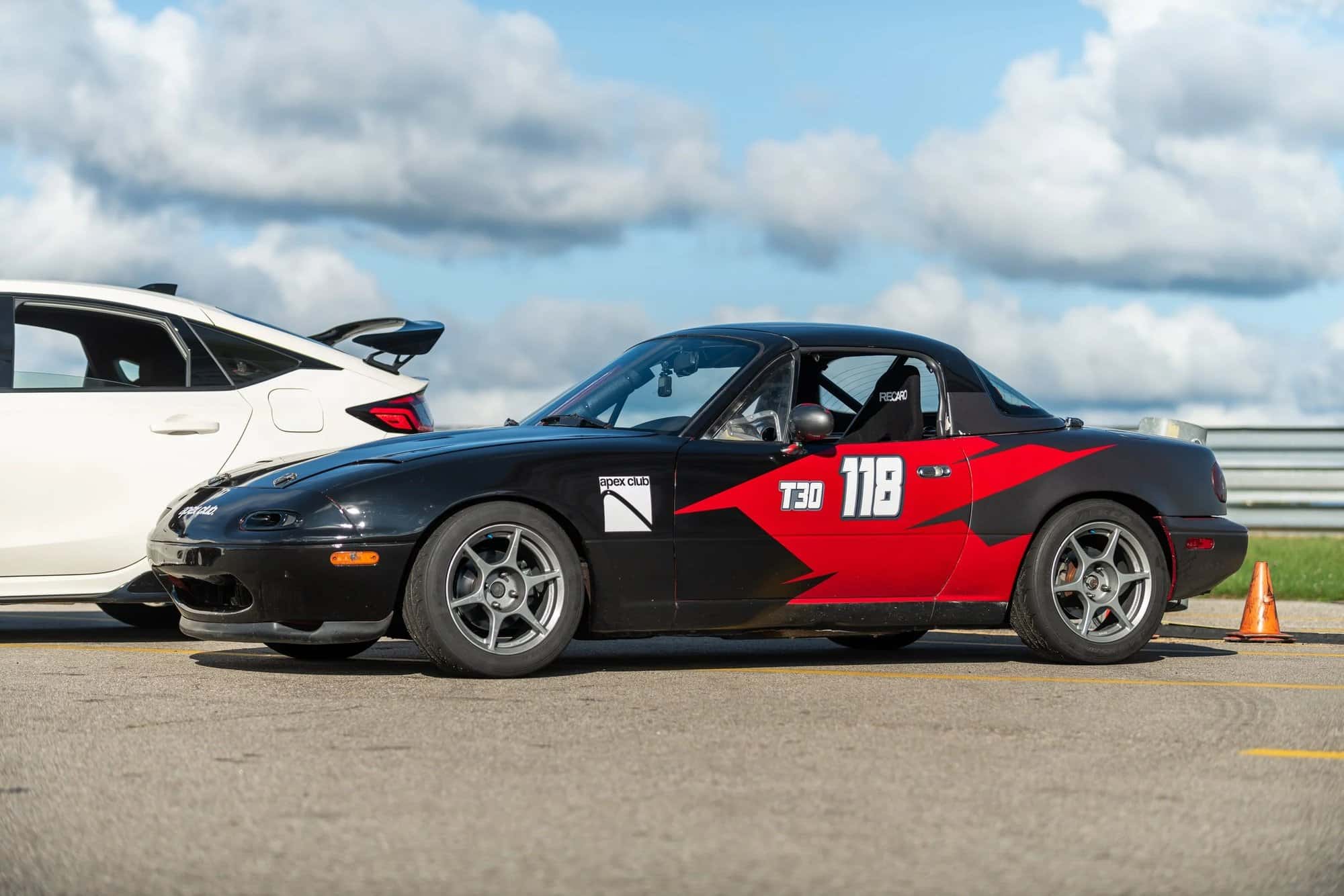
1994 Mazda Miata Track Car NA
Quote only /day
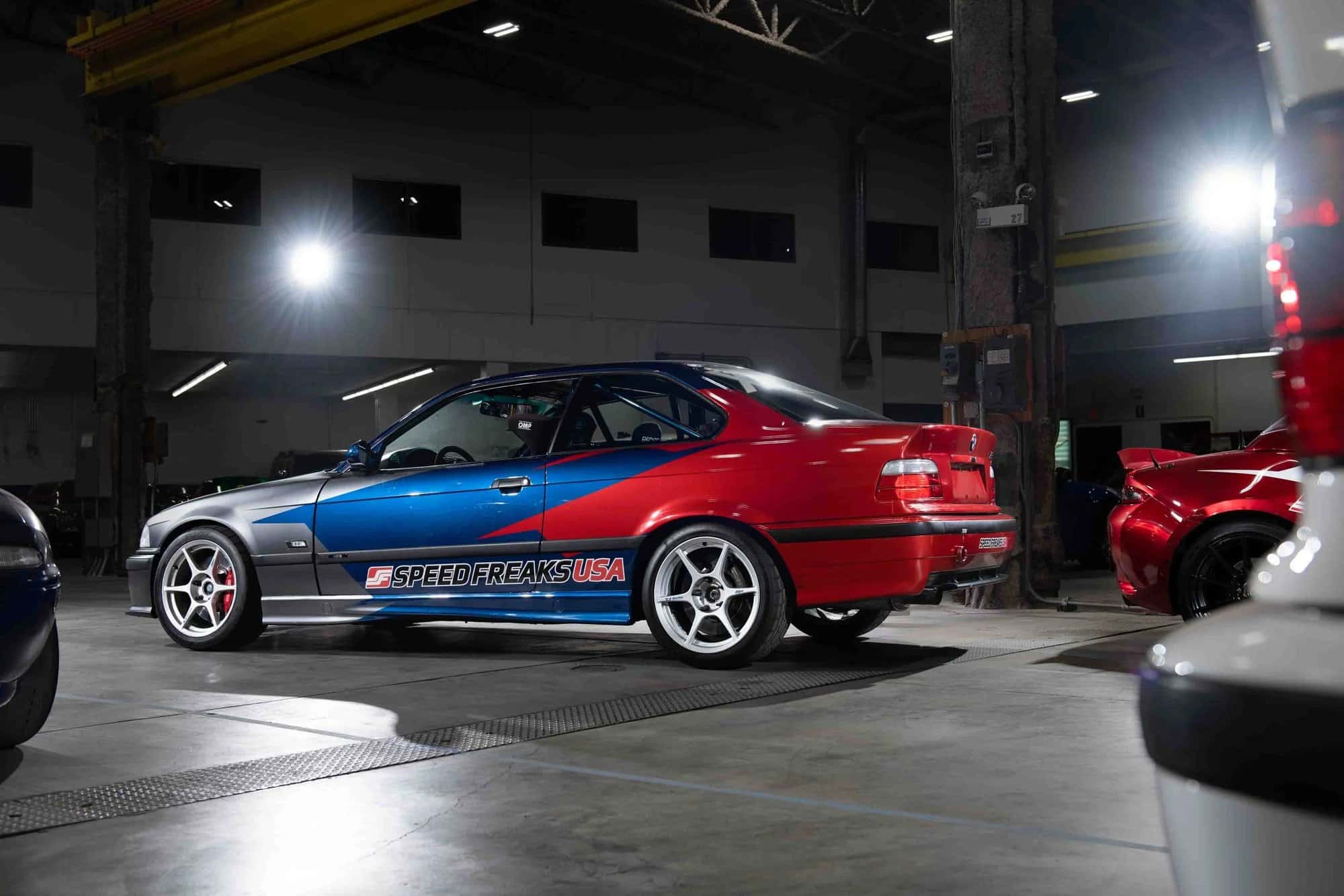
1997 BMW M3 Track Car E36
Quote only /day
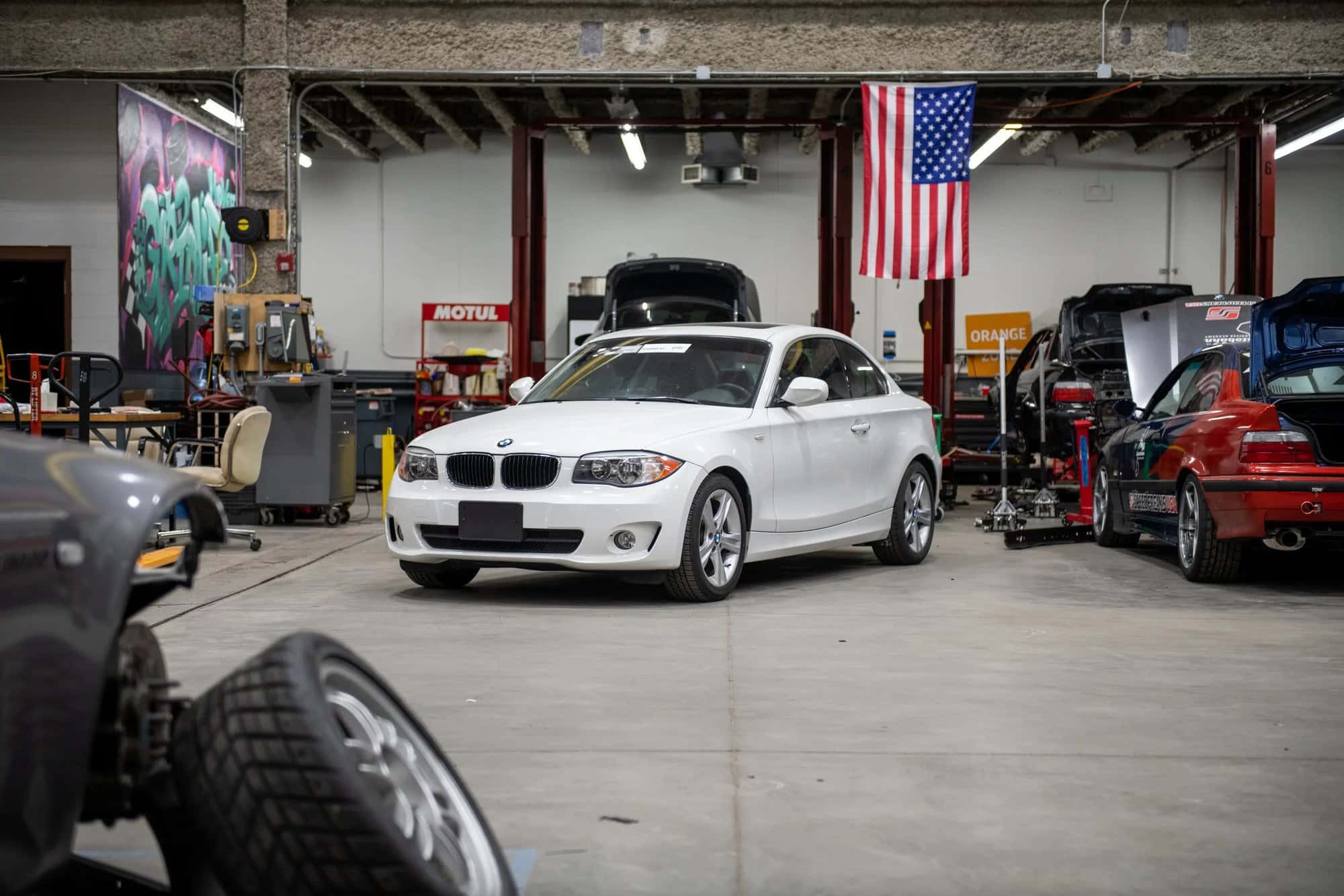
2012 BMW 128i Track Car E82
Quote only /day
2001 Mazda Miata Track Car NB2
Quote only /day