
Track Day Guides
The Ultimate Track Day Packing List: What to Bring to Your First HPDE
By Hot Lap Rentals · 13 min read
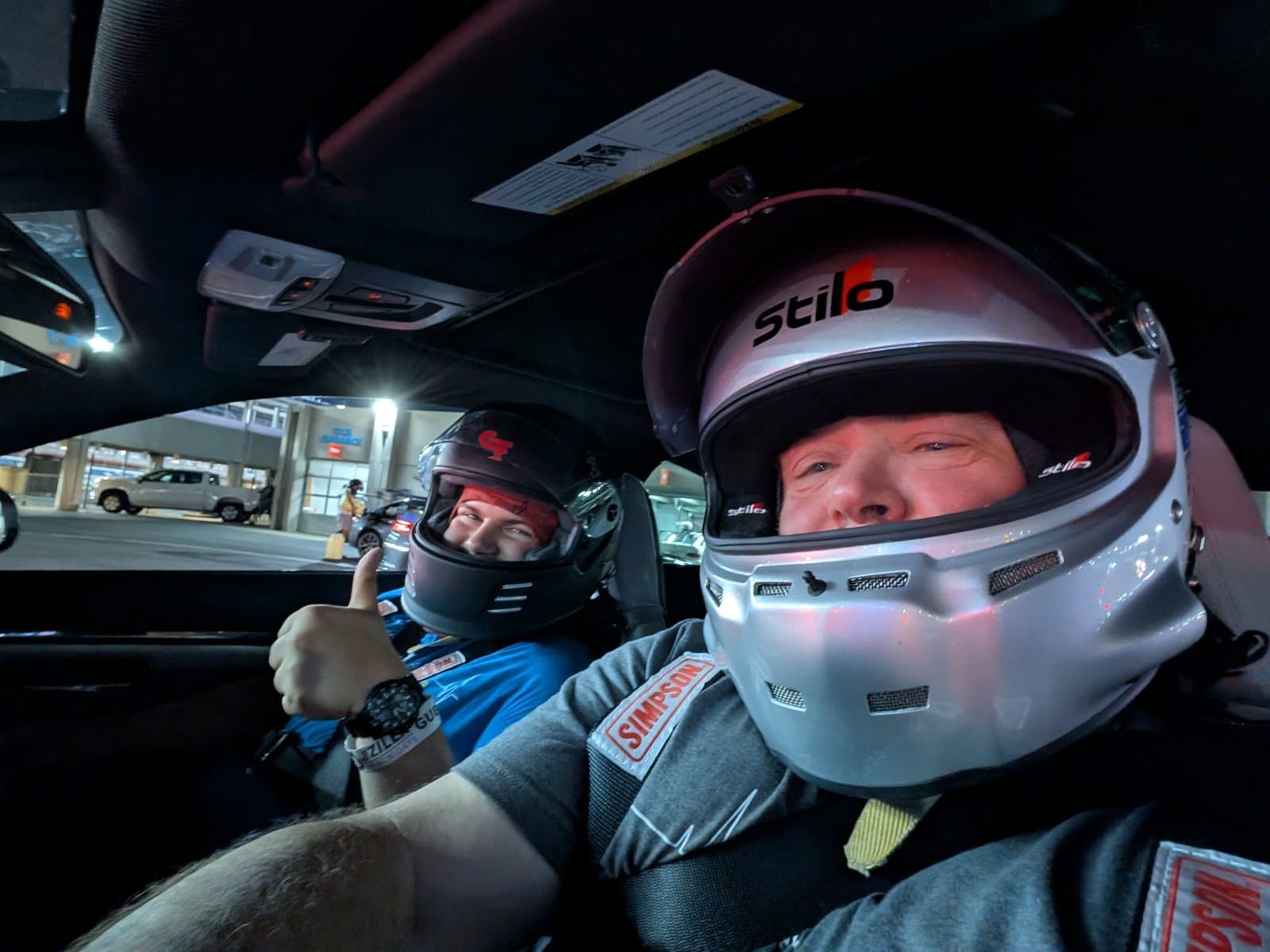
Nothing ruins a track day faster than pulling into the paddock and realizing your helmet is sitting on the garage shelf at home. That's a wasted entry fee, a wasted vacation day, and a long, quiet drive back. It happens more often than you'd think.
This packing list covers everything you need for an HPDE event, from the mandatory safety gear that gets you through tech inspection to the comfort items that keep you functional when it's 95 degrees in the paddock. Print it, screenshot it, or bookmark it. You'll use it before every event.
If this is your very first track day and you want a broader overview of what to expect, start with our complete first track day guide and come back here when you're ready to pack.
Required Safety Gear
This is the non-negotiable stuff. Show up without any of these and you're spectating, not driving.
Helmet
Most HPDE organizations require a Snell SA2020-rated helmet. Some still accept SA2015, but that standard expires from most organizations' accepted lists in the next year or two, so buy SA2020 if you're purchasing new. M-rated (motorcycle) Snell helmets are accepted by some groups but not all — check your specific organization's rules before relying on one.
Budget around $250-$400 for a solid entry-level SA2020 helmet from brands like Bell, Simpson, or Racequip. Fit matters more than brand. The helmet should be snug without pressure points and should not rotate when you shake your head. Many motorsport retailers offer fitting guides or in-person fitting.
For a deeper breakdown of helmet standards and other safety equipment, see our track day safety guide.
Clothing
At minimum, you'll need long pants and a long-sleeve shirt made from natural fibers (cotton, wool). Synthetic materials like polyester and nylon melt when exposed to heat or flame. Most HPDE organizations enforce this rule at tech inspection.
Closed-toe shoes are mandatory. Driving shoes with thin soles give you better pedal feel, but any athletic shoe or boot works for your first few events. Avoid sandals, flip-flops, or open-toe shoes of any kind.
Driving Gloves (Recommended)
Not always required, but a good pair of driving gloves improves grip and reduces hand fatigue over a long day. SFI or FIA-rated gloves run $30-$80 and are worth every penny. At minimum, a pair of thin mechanix-style gloves works in a pinch.
HANS Device / Neck Restraint (Optional for Beginners)
A HANS device or similar neck restraint is required in some advanced run groups and recommended for everyone. If you plan to stick with the hobby, budget for one eventually. Expect to spend $250-$600 depending on the model.
Driving Suit (Optional for Beginners)
A single-layer SFI 3.2A/1 driving suit runs $100-$200 and provides fire protection beyond what cotton clothing offers. Not required for most beginner and intermediate HPDE groups, but a smart investment if you're committed to regular track days.
Car Preparation Supplies
Your car needs to pass tech inspection and survive repeated hard laps. Pack these supplies so you can handle adjustments and minor issues in the paddock.
Tire Pressure Gauge
A quality analog or digital tire pressure gauge is the single most important tool you'll use at the track. Tire pressures change significantly during hard driving, and you'll be adjusting them between every session. Longacre or Intercomp digital gauges with bleed valves ($30-$50) let you check and adjust in one step.
Torque Wrench
Bring a torque wrench that covers your lug nut spec (typically 80-100 ft-lbs for most passenger cars). Check your lug torque before your first session and again midday. Wheels coming loose on track is a real and preventable failure.
Blue Painter's Tape
You'll need this for your car numbers. Most organizations assign you a number, and blue painter's tape on the windows is the standard way to display it. Bring a full roll — you'll redo your numbers at least once. Some people use white shoe polish on the windshield instead.
Gaffer Tape
More useful than duct tape for track day purposes. Use it to tape over headlights and taillights (most organizations require this to contain glass in case of breakage). Black gaffer tape peels clean and doesn't leave residue.
Zip Ties
The universal track day fix. Bumper hanging? Zip tie. Heat shield rattling? Zip tie. Bring a bag of assorted sizes.
Basic Socket Set and Wrenches
A 3/8" drive socket set covering 8mm-19mm handles most jobs. Throw in a set of combination wrenches, a pair of pliers, and a ratcheting screwdriver. You don't need a full rolling toolbox for your first event, but you need enough to tighten a loose bolt or remove a skid plate.
Jack and Jack Stands
A low-profile floor jack and a pair of jack stands let you change a tire or inspect your brakes between sessions. Know where your car's jack points are before you get to the track.
Fluids and Consumables
Hard track driving consumes fluids faster than street driving. Bring extras so a low oil level doesn't end your day early.
Brake Fluid (DOT4)
Bring a sealed bottle of DOT4 brake fluid (Motul RBF 600 or ATE Typ 200 are popular choices for track use). If your brakes start feeling soft or the pedal gets long, you may need to bleed them between sessions. Even if you don't bleed them at the track, having fluid on hand is cheap insurance.
Engine Oil (1-2 Quarts)
Bring the same weight your car runs. Hard driving can burn oil faster than street driving, especially on turbocharged or high-mileage engines. Check your dipstick between every session.
Coolant
A gallon of pre-mixed coolant in the trailer or trunk. Overheating is one of the most common track day failures, and topping off your coolant is a basic fix you should be prepared for. Note: some tracks prohibit glycol-based coolant and require Water Wetter or similar products. Check your track's rules.
Brake Cleaner
A can of non-chlorinated brake cleaner. Useful for cleaning brake dust off wheels, degreasing parts, and general cleanup.
Shop Towels / Rags
A roll of blue shop towels. You'll use them for checking fluids, wiping hands, cleaning your windshield, and a dozen other things. Paper towels fall apart — use real shop towels.
Trash Bags
Pack a few trash bags. Clean up your paddock spot when you leave. Track day organizations lose access to facilities when participants leave a mess behind.
Tech Inspection Essentials
You won't get on track without passing tech inspection. Have these documents ready and accessible.
- Driver's license — You'd be surprised how many people forget this
- HPDE registration confirmation — Printed or on your phone
- Signed waiver — Many organizations email this in advance; print and sign before you arrive to save time in line
- Tech inspection form — Some organizations require a pre-event inspection by a shop; others do it on-site. Know which format your event uses and have the paperwork completed
- Proof of insurance — Your regular auto insurance almost certainly doesn't cover track incidents, but some organizations still want to see proof of street insurance. Consider track day insurance for actual on-track coverage
Comfort and Survival Gear
Track days are long. Most events run from 7 AM to 5 PM, and you'll spend more time in the paddock than on track. Comfort items aren't optional — they're what keep you alert and functional for your last session of the day.
Water
Bring more than you think you need. A gallon per person is a reasonable starting point, more if you're at a Southeast track in summer where paddock temperatures regularly hit triple digits. Dehydration causes slower reaction times and poor decision-making, which is exactly what you don't want at 120 mph.
Cooler with Food
Pack a cooler with lunch, snacks, and cold drinks. Most tracks don't have food vendors at every event, and the ones that do charge accordingly. Sandwiches, fruit, granola bars, and electrolyte drinks work well. Avoid heavy meals before driving — you want energy, not a food coma.
Sunscreen
SPF 30 or higher. You'll be in direct sun for hours. Reapply at lunch.
Hat and Sunglasses
Basic sun protection for the paddock. A wide-brim hat beats a baseball cap when you're outside all day.
Canopy / EZ-Up
A 10x10 pop-up canopy is arguably the best quality-of-life investment for track days. Shade in the paddock keeps you, your tools, and your cooler out of direct sun. Bring weights or stakes — tracks are often windy and an unsecured canopy becomes a projectile.
Camp Chair
You'll be sitting between sessions. A folding camp chair is far better than sitting on the asphalt or on your bumper.
Change of Clothes
Bring a fresh shirt at minimum. After driving in a helmet and long sleeves in the heat, you'll want to change at lunch. A full change of clothes including socks and shoes is even better.
Towel
For wiping sweat, cleaning your visor, or drying off if it rains.
Data and Documentation
Reviewing your sessions is one of the fastest ways to improve. Bring the tools to capture data.
Lap Timer App
RaceChrono and TrackAddict are the two most popular smartphone-based lap timing and data logging apps. Both use your phone's GPS to record lap times, speed traces, and driving lines. RaceChrono is popular on Android; TrackAddict works well on both platforms. Set up the app and verify it has your track's map loaded before you leave home.
Phone Mount
A secure suction-cup or vent mount keeps your phone positioned for lap timing without it sliding around the cabin. RAM mounts and quad-lock mounts hold up well under hard braking and cornering forces. Make sure it's secure enough that tech won't flag it as a loose item.
GoPro or Action Camera
Video review is invaluable for improving your driving. Mount a GoPro or similar camera on your windshield or roll bar with a forward-facing view. Bring extra batteries and a large-capacity SD card — a full day of sessions eats storage quickly. Most organizations allow cameras as long as they're securely mounted (suction cup mounts that can withstand hard cornering, or a proper roll bar mount).
Notebook and Pen
Old school but effective. Write down notes after each session: what you learned, what corners gave you trouble, what your instructor told you. You'll forget the specifics by the time you get home if you don't write them down.
The "Oh Crap" Kit
Things break at the track. Having a basic emergency kit keeps minor problems from becoming day-ending problems.
- Duct tape — The track day universal solvent. Holds bumper covers, secures loose trim, patches coolant hoses temporarily
- WD-40 — Frees stuck bolts, displaces moisture, general-purpose problem solver
- Jumper cables or a jump pack — Leaving your headlights on between sessions drains batteries. A lithium jump pack ($50-$80) is compact and saves you from asking strangers for a jump
- Tow strap — A rated recovery strap lets another vehicle pull you out of a gravel trap or back to the paddock. Most tracks have tow vehicles, but a strap means you don't wait
- Fire extinguisher — A 2.5 lb ABC dry chemical extinguisher is the minimum recommendation. Many advanced run groups and some beginner groups require a mounted extinguisher with a proper metal bracket (not just rolling around in your trunk). Mounting brackets run $15-$30 and bolt to your floor or seat rail
- Extra fuses — A fuse assortment pack for your car's fuse box. Electrical gremlins happen, and a blown fuse is one of the easiest fixes if you have the right replacement
- Tire plug kit — A basic rope-style plug kit and a portable air compressor (12V cigarette lighter type) can save your day if you pick up a nail or screw in the paddock. This won't fix a sidewall blowout, but it handles punctures in the tread area
- Spare wheel — If your car came with a full-size spare, throw it in. If it came with a space-saver donut, bring it anyway — it'll get you off the track and into the paddock, even if it won't get you home at highway speed
What You DON'T Need to Bring
First-timers tend to overthink the packing list. Here's what you can leave at home:
A perfectly prepped race car. Your street car is fine for beginner and intermediate HPDE events. Fresh brake pads, good tires, and clean fluids are all you need. You don't need a roll cage, race seats, or a harness for your first event.
A trailer. Drive your car to the track, drive it on the track, drive it home. That's the beauty of HPDE. Trailers are for dedicated track cars later in the hobby.
Expensive data systems. Your phone with a lap timer app gives you 90% of what a $500 standalone data system provides. Start simple and upgrade when you understand what data you actually use.
A full pit crew. Solo track days are completely normal. You'll meet people in the paddock who are happy to help with basic tasks. The track day community is one of the friendliest in motorsports.
Racing slicks or R-compound tires. Your street tires are the right choice for your first several events. Sticky tires hide driving mistakes instead of helping you learn from them. Run what you've got until your driving outgrows the grip.
Renting a Track Car? Your List Gets Shorter
If you're renting a track car through Hot Lap Rentals, your packing list shrinks significantly. The car shows up prepped, teched, and ready to drive. You don't need to worry about brake fluid, tools, tire gauges, spare parts, or any of the vehicle preparation items on this list.
When renting, your packing list comes down to:
- Helmet (some rental providers include a loaner — confirm in advance)
- Long sleeves, long pants, closed-toe shoes (natural fibers)
- Driving gloves
- Documents (license, registration confirmation, waiver)
- Water, food, sunscreen, and comfort items
- Phone with lap timer app and a camera if you want video
That's it. The vehicle owner handles the rest. It's one of the biggest advantages of renting for your first few events — you focus entirely on learning to drive instead of worrying about whether your car will survive the day.
Browse available track cars on Hot Lap Rentals and show up ready to drive.
Quick Summary Checklist
Print this section and check items off as you pack.
Safety Gear
- [ ] Helmet (Snell SA2020 or SA2015)
- [ ] Long-sleeve cotton/natural fiber shirt
- [ ] Long pants (cotton or similar)
- [ ] Closed-toe shoes
- [ ] Driving gloves
- [ ] Neck restraint (if required)
- [ ] Driving suit (if required)
Car Supplies and Tools
- [ ] Tire pressure gauge (with bleed valve)
- [ ] Torque wrench
- [ ] Blue painter's tape (for car numbers)
- [ ] Gaffer tape (for lights)
- [ ] Zip ties (assorted sizes)
- [ ] Basic socket set and wrenches
- [ ] Jack and jack stands
Fluids and Consumables
- [ ] DOT4 brake fluid
- [ ] Engine oil (1-2 quarts)
- [ ] Coolant (check track rules on glycol)
- [ ] Brake cleaner
- [ ] Shop towels
- [ ] Trash bags
Documents
- [ ] Driver's license
- [ ] Registration / confirmation printout
- [ ] Signed waiver
- [ ] Tech inspection form (if required)
- [ ] Proof of insurance
Comfort and Survival
- [ ] Water (1+ gallon per person)
- [ ] Cooler with food and snacks
- [ ] Sunscreen (SPF 30+)
- [ ] Hat and sunglasses
- [ ] Canopy / EZ-Up with weights
- [ ] Camp chair
- [ ] Change of clothes
- [ ] Towel
Data and Documentation
- [ ] Phone with lap timer app (RaceChrono / TrackAddict)
- [ ] Phone mount (secure)
- [ ] GoPro / action camera with extra batteries and SD card
- [ ] Notebook and pen
Emergency Kit
- [ ] Duct tape
- [ ] WD-40
- [ ] Jumper cables or lithium jump pack
- [ ] Tow strap
- [ ] Fire extinguisher (mounted if required)
- [ ] Extra fuses
- [ ] Tire plug kit and portable air compressor
- [ ] Spare wheel
Pack the car the night before. Check the list twice. Show up early and enjoy the day.
In the directory
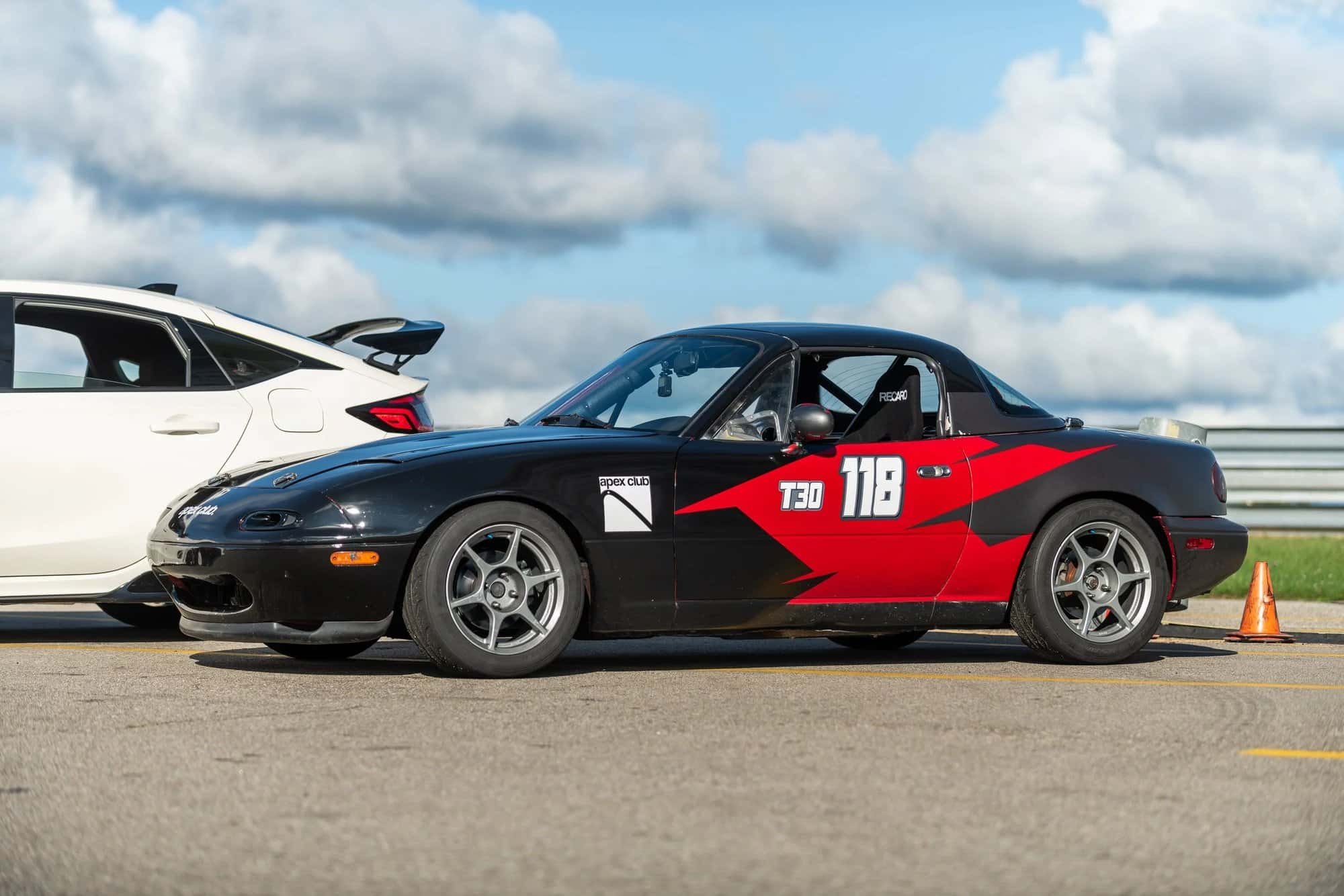
1994 Mazda Miata Track Car NA
Quote only /day
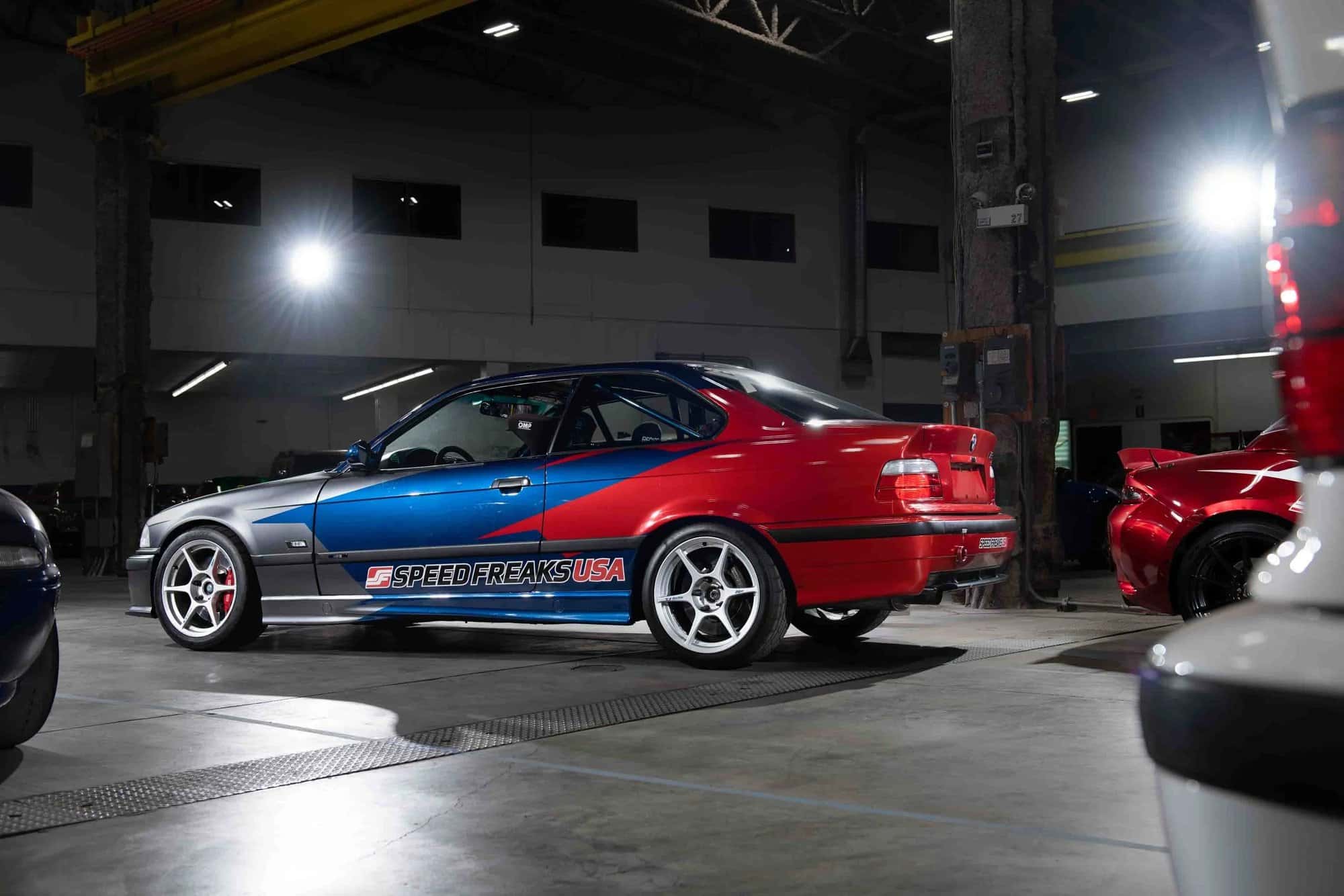
1997 BMW M3 Track Car E36
Quote only /day
2001 Mazda Miata Track Car NB2
Quote only /day
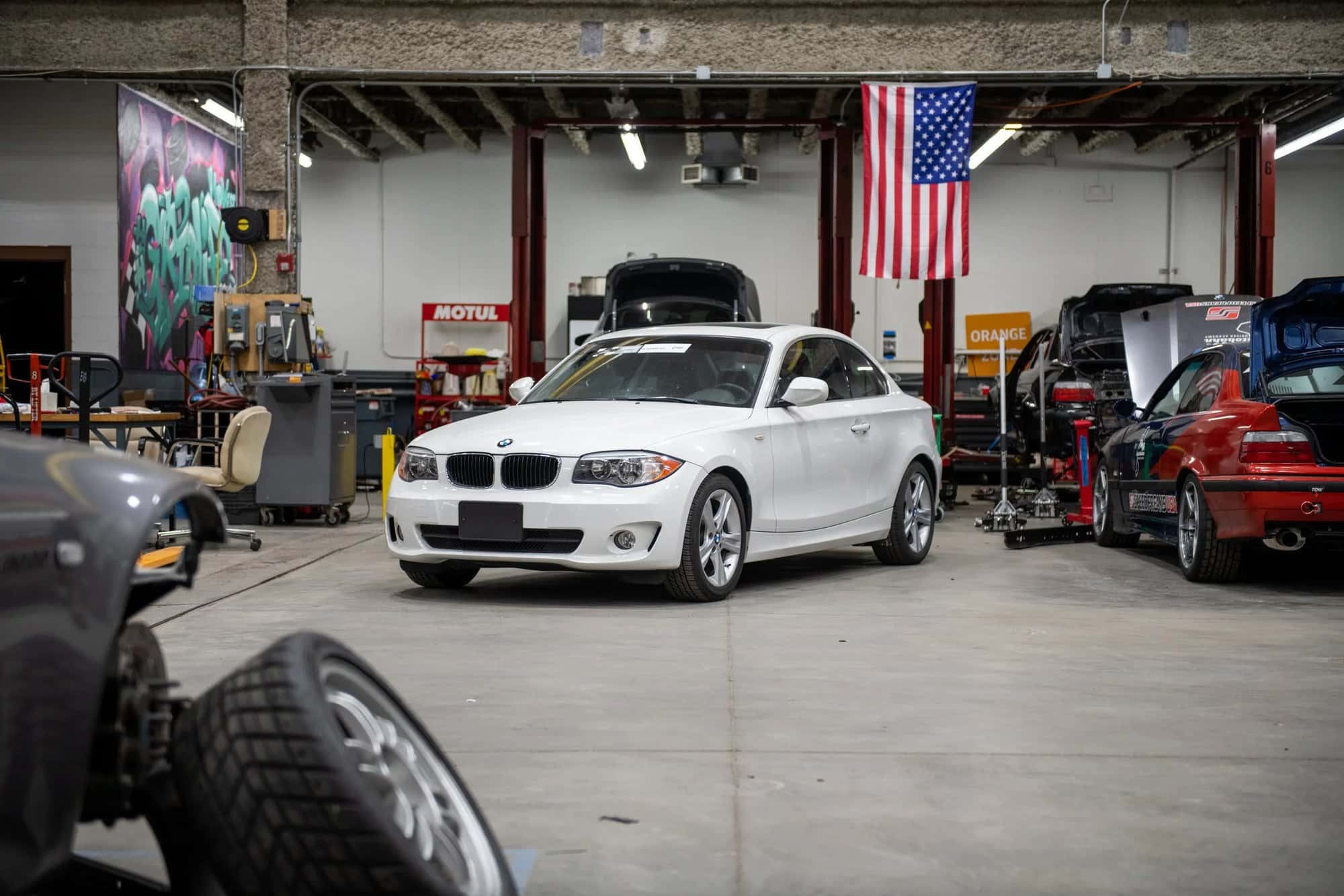
2012 BMW 128i Track Car E82
Quote only /day