
Track Day Guides
What Is HPDE? A Beginner's Guide to Track Days
By Hot Lap Rentals · 6 min read
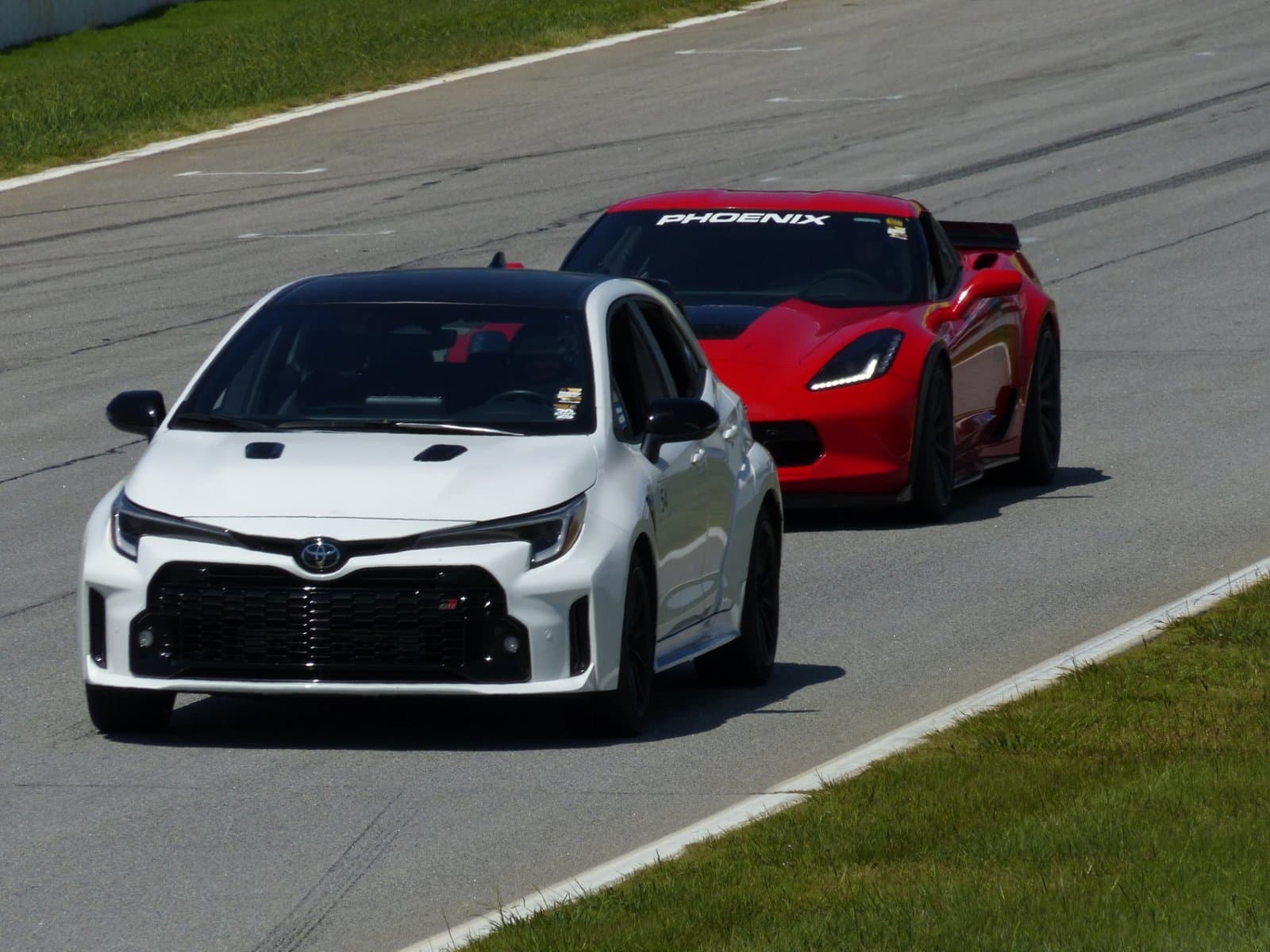
You've seen the videos. You've done the sim laps. You've been telling your friends "I should do a track day" for the last two years. Here's how to actually do it.
HPDE Stands for High Performance Driving Education
It's not racing. It's not timed competition. It's structured seat time on a real racetrack with instructors, run groups, and safety rules designed to teach you how to drive at the limit without wrecking yourself or anyone else.
Think of it as driver's ed for people who are done pretending the speed limit is enough.
HPDE events are run by organizations like JZILLA Track Days, NASA (National Auto Sport Association — not the rocket people), SCCA, Chin Track Days, and dozens of regional clubs. They rent out real racetracks — Road Atlanta, Barber Motorsports Park, VIR, Atlanta Motorsports Park — and divide participants into run groups based on experience level.
How Run Groups Work
Most HPDE events split drivers into three or four groups:
Novice / Green — Your first time on track. An instructor rides with you in the car, teaching you the line, braking points, and when to look where. Passing is limited to specific zones and only with a point-by from the car ahead. You are not expected to be fast. You are expected to be smooth, predictable, and willing to learn.
Intermediate / Blue — You've done a few events. You know the basics — apex, trail braking, track-out — and you're refining your consistency. Still may have an instructor available, but often solo. Passing rules loosen up.
Advanced / Red — Open passing, full speed, minimal supervision. You know what you're doing and you've proven it over multiple events.
Some organizations add a fourth "instructor" or "time trial" group for the fastest and most experienced drivers.
Your first event, you're in Novice. No exceptions. Doesn't matter if you're Lewis Hamilton in your head — everyone starts at the beginning. This is a good thing. The novice group is where you learn the foundational skills that keep you (and your car) alive at speed.
What to Expect at Your First Event
You'll arrive at the track early — usually around 7am for registration and tech inspection. Tech is where someone checks your car for obvious safety issues: secure battery, no fluid leaks, good brake pads, proper wheel torque, no loose objects in the cabin.
Then there's a drivers' meeting. Mandatory. The organizer walks through the day's schedule, flag meanings (you will learn what a black flag is), pit lane rules, and any track-specific notes.
After that, you drive. Sessions are typically 20-30 minutes each, with several sessions throughout the day. In between, you cool down, debrief with your instructor, hydrate, and try to process everything you just experienced.
The first session is overwhelming. The second session starts making sense. By the third session, you're grinning. By the end of the day, you're already planning the next event. This is the track day pipeline and there is no escape.
What Car Do You Need?
Here's the thing that trips most people up: you probably don't need to modify your car, and you definitely don't need a "track car" for your first HPDE.
Most HPDE events accept stock street cars. A Civic, a Miata, a Mustang, a Camry — whatever you drive to work. The requirements are basic: mechanically sound, no fluid leaks, decent brake pads, helmet that meets Snell SA2015 or SA2020 standards (this is the one thing you'll likely need to buy or rent).
That said, there are a few things worth doing before your first event:
- Brake fluid flush — Regular DOT 3 fluid boils at track temperatures. Flush to DOT 4 or a high-temp fluid at minimum
- Check your brake pads — If they're thin, replace them before the event, not during
- Remove loose items — Floor mats, phone mounts, water bottles, anything that could slide under your pedals
- Tire pressure — Set to the manufacturer spec cold, then check after your first session. Track driving increases tire pressure and temperature significantly
That's it for a first-timer. Don't cage it, don't put a wing on it, don't buy coilovers. Drive it, learn the fundamentals, figure out if this is your thing. Then start building.
Or Just Rent a Track Car
Here's the alternative nobody talks about enough: skip the prep entirely and rent a car that's already set up for track use.
Through Hot Lap Rentals, you can browse track-prepped cars available at JZILLA Track Days events and rent one for the day. These cars are purpose-built for HPDE — proper cooling, good brakes, cage or harness where appropriate, and maintained by people who do this every event.
The advantages are real:
- No wear on your daily driver — Track driving is hard on cars. Brakes, tires, clutch, engine, transmission — everything works harder than it does on the street. Renting means those costs belong to someone else's car
- Better equipment — A prepped track car is going to teach you more than your stock Accord. Better brakes, better tires, better feedback from the chassis
- No logistics — No trailer, no tow vehicle, no spending Saturday night bleeding brakes. Show up and drive
- Try before you build — Want to know if a Miata is the right platform for you? Rent one for a day at Road Atlanta. Cheaper than buying one and finding out you wanted a Mustang
Browse the JZILLA fleet at hotlaprentals.com/browse.
What Does HPDE Cost?
Event registration usually runs $200–$500 per day depending on the track, the organization, and whether an instructor is included. Premium tracks like Road Atlanta and Barber tend to be at the higher end. Smaller tracks and weekday events are cheaper.
On top of that, budget for:
- Fuel — Track driving uses a lot of gas. Figure 3-5x your normal consumption rate
- Brake pads — If you're driving your own car, aggressive track use can eat a set of pads in a single day
- Helmet — If you don't own one, some events have loaners. A Snell SA-rated helmet runs $200-$500 to buy
- Track day insurance — Optional but strongly recommended. Event-specific policies start around $200-$400 depending on the car's value. Your regular car insurance does not cover track use
If you're renting a track car through Hot Lap Rentals, the rental fee typically runs $1,500–$3,000+ depending on the car, the event, and the terms. That includes the car, the prep, and the peace of mind of not destroying your daily.
The Southeast Track Day Scene
The Southeast is stacked with tracks. Within a day's drive of Atlanta, you can hit:
- Michelin Raceway Road Atlanta — Braselton, GA. 2.54 miles, 12 turns. The crown jewel.
- Barber Motorsports Park — Birmingham, AL. 2.38 miles, 16 turns. The pretty one that bites.
- Atlanta Motorsports Park — Dawsonville, GA. 2 miles, 16 turns. The Tilke track in the mountains.
- Virginia International Raceway — Alton, VA. 3.27 miles, 17 turns. The motorsport resort.
JZILLA Track Days runs events at Road Atlanta, Barber, and AMP. Check the event calendar for dates and available rental cars.
The Only Mistake Is Not Going
Every single person who does their first HPDE says the same thing: "I should have done this sooner."
The learning curve is steep but the instruction is there. The cars are more capable than you think. The community is welcoming to beginners in a way that surprises people. And the feeling of nailing a corner at 8/10ths on a real racetrack is something that no public road and no video game can replicate.
Find an event. Rent a car or bring your own. Show up.
Browse track cars available at JZILLA events →
See the Southeast track day calendar →
hpdetrack daybeginnerfirst track daytrack car rental
In the directory
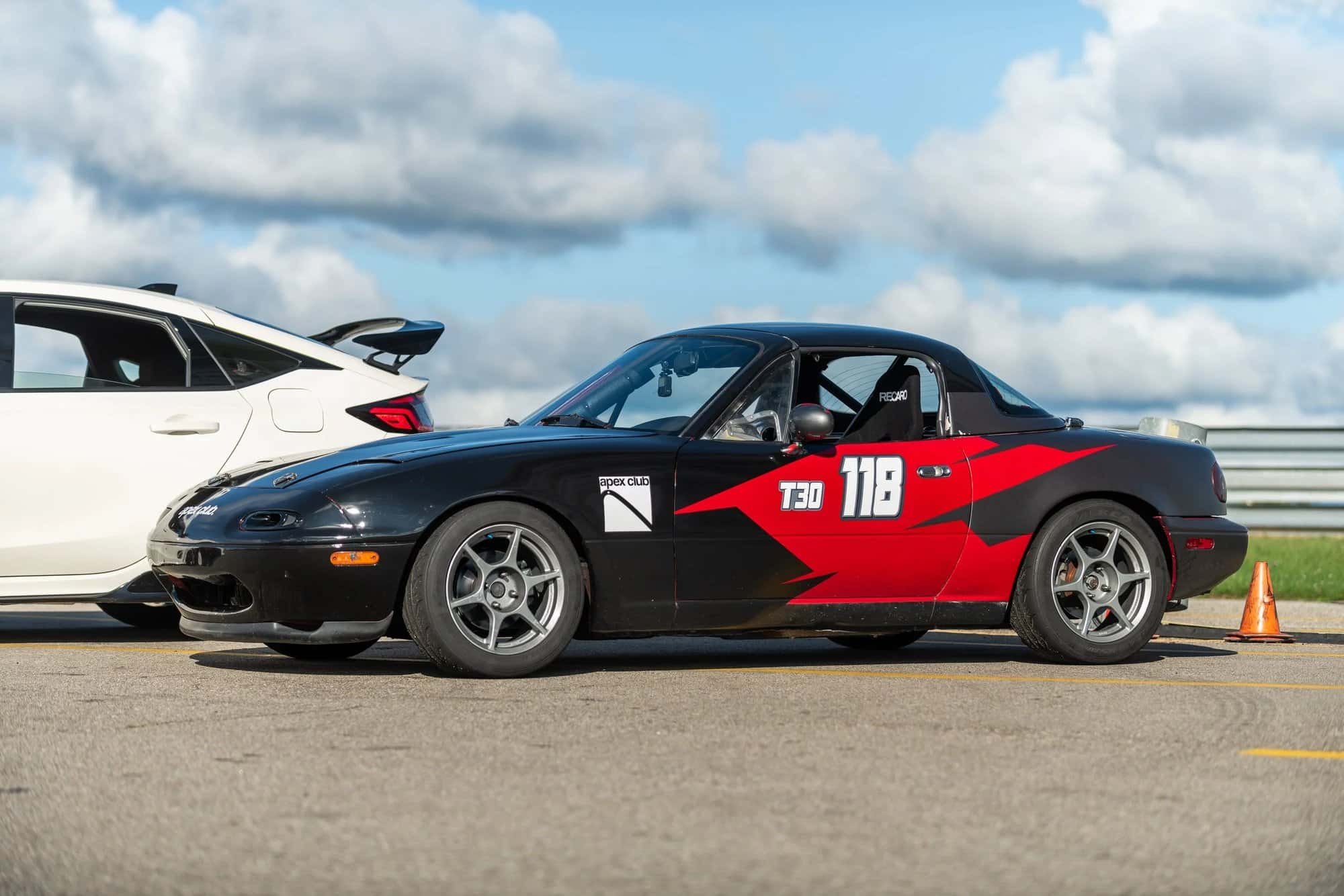
1994 Mazda Miata Track Car NA
Quote only /day
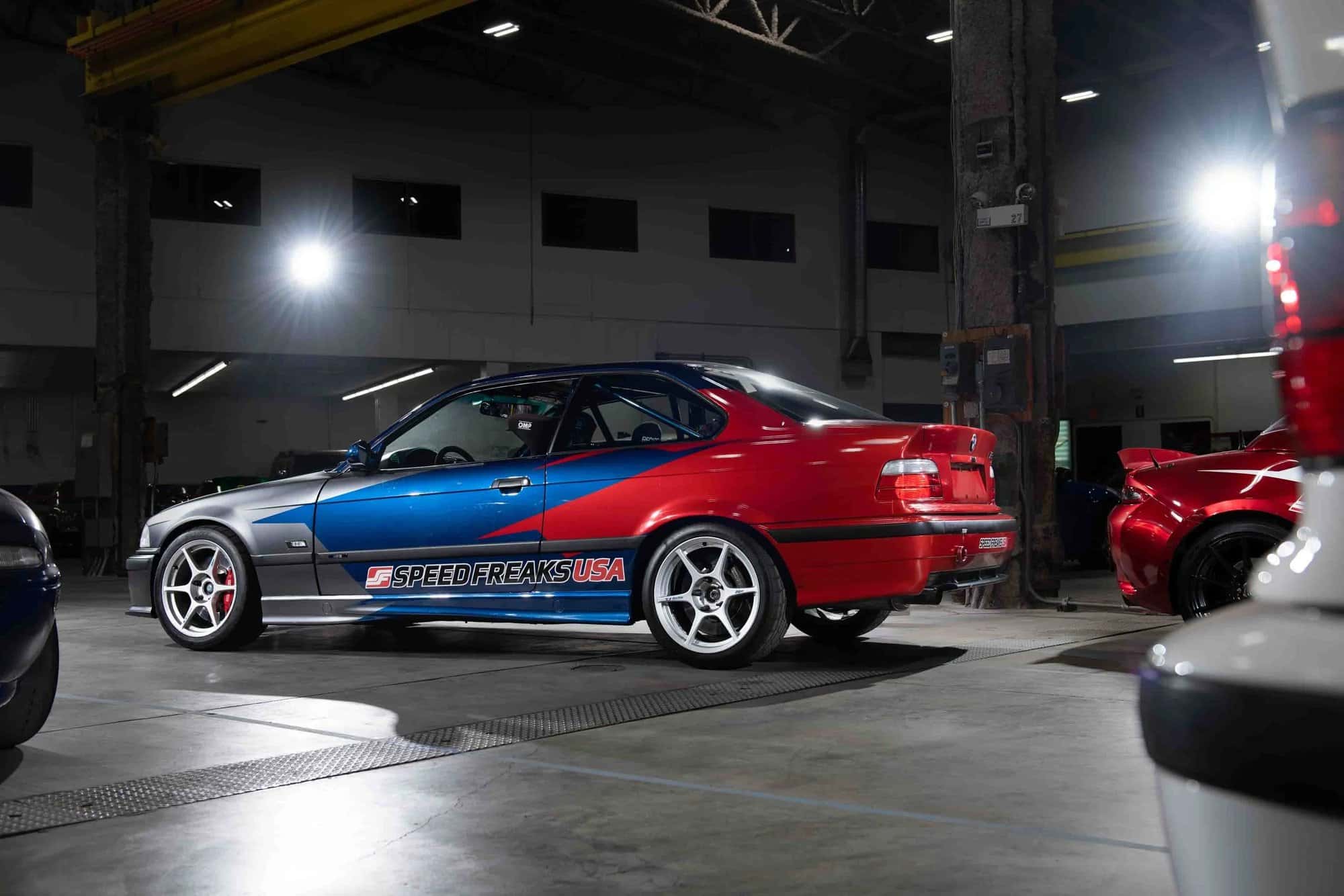
1997 BMW M3 Track Car E36
Quote only /day
2001 Mazda Miata Track Car NB2
Quote only /day
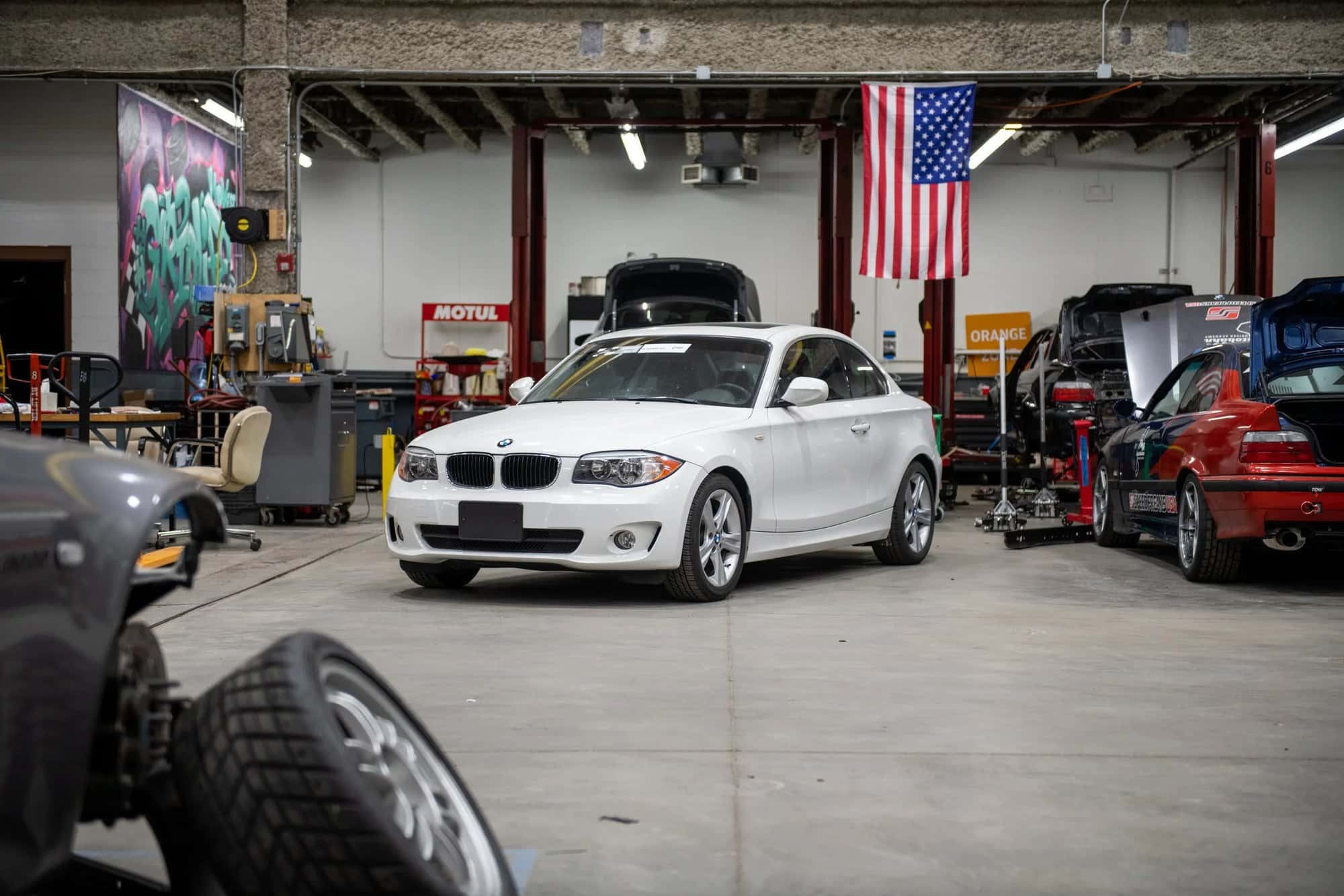
2012 BMW 128i Track Car E82
Quote only /day